

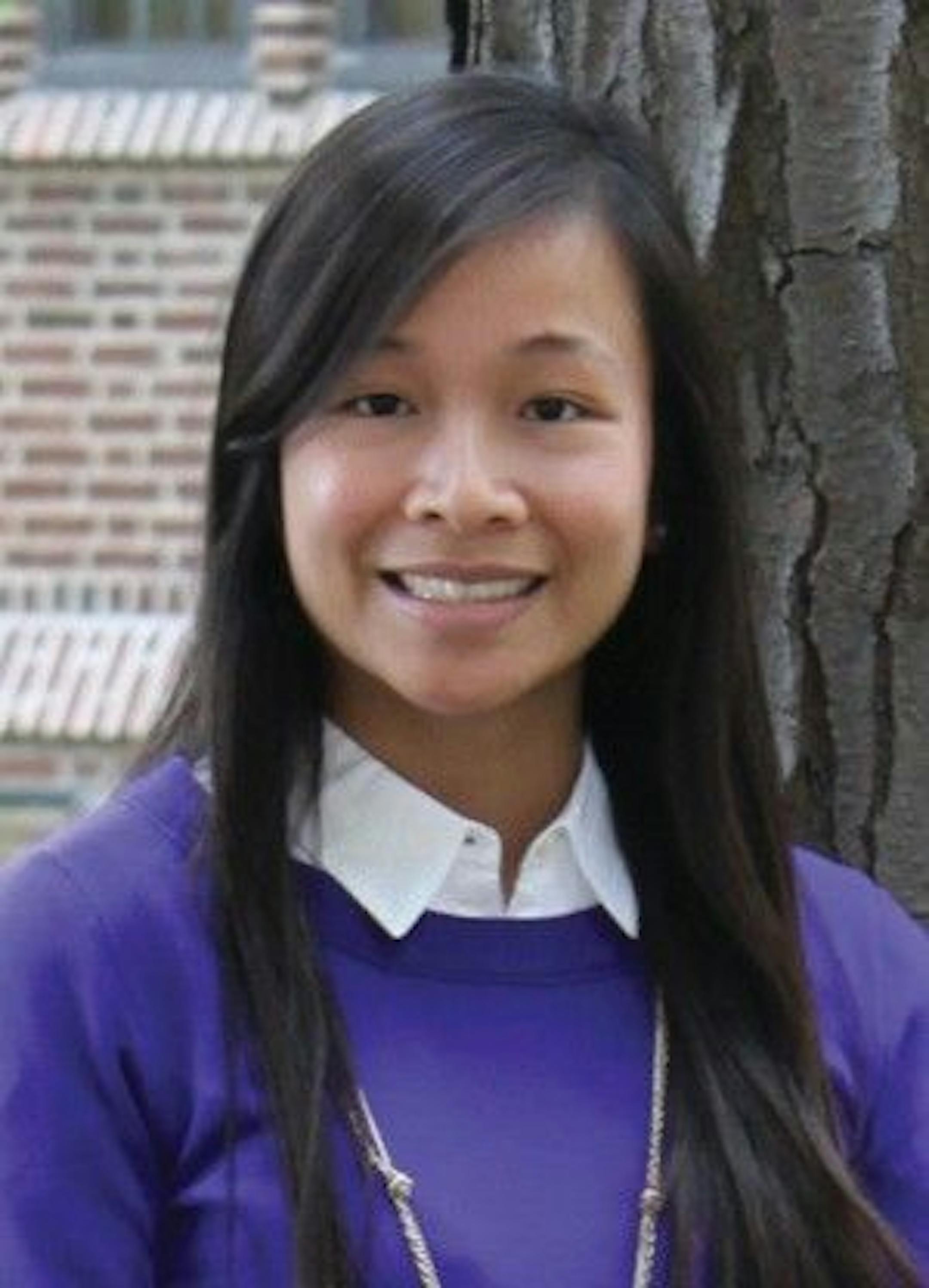
Among Kim Tran's childhood memories are glimpses of appointments at a Minneapolis community clinic: the kid magazines in the lobby, the cartoon stickers and the dental hygienist who chatted with Tran's family in Vietnamese.
Tran says her experience at the University of Minnesota's Community-University Health Care Center, or CUHCC, planted the idea of a career in health care.
"What amazed me was that people stopped and listened and cared about my family's needs," she said.
Tran returned as a resident in the U's pharmacy program in 2014. Last fall, she landed a position on the clinic's staff, whose members speak about a dozen languages.
As safety net clinics nationally have come under intense pressure to improve patient care, places like CUHCC have sought to hire staff who more readily connect with their diverse patients. These clinics rely on public subsidies such as Medicaid, but they also tout their ability to ward off costly ER visits. The U is seeking $3.25 million in recurring funds for CUHCC and a rural dentist program.
Tran's family of five arrived in the United States in the early 1990s, when she was 5. They were resettled in Minnesota under a program for South Vietnamese persecuted and imprisoned by the Communist regime after the war.
Tran's parents spoke no English and leaned heavily on their north Minneapolis church, where the pastor took them grocery shopping after Sunday mass. A church friend told them about CUHCC, and the family started taking the bus to the south Minneapolis clinic. A few years later, they drove there from their new home in Brooklyn Park.
They liked that the clinic was a one-stop shop that didn't turn any patients away. Besides offering medical, dental and mental health services, clinic staff made food shelf referrals and handed out bus tokens.


