A duck dilemma: How many is too many?

The Concerned Duck Hunters Panel is calling for renewed discussion among hunters and policymakers about the future of ducks and duck hunting.

September 24, 2014 at 4:07PM
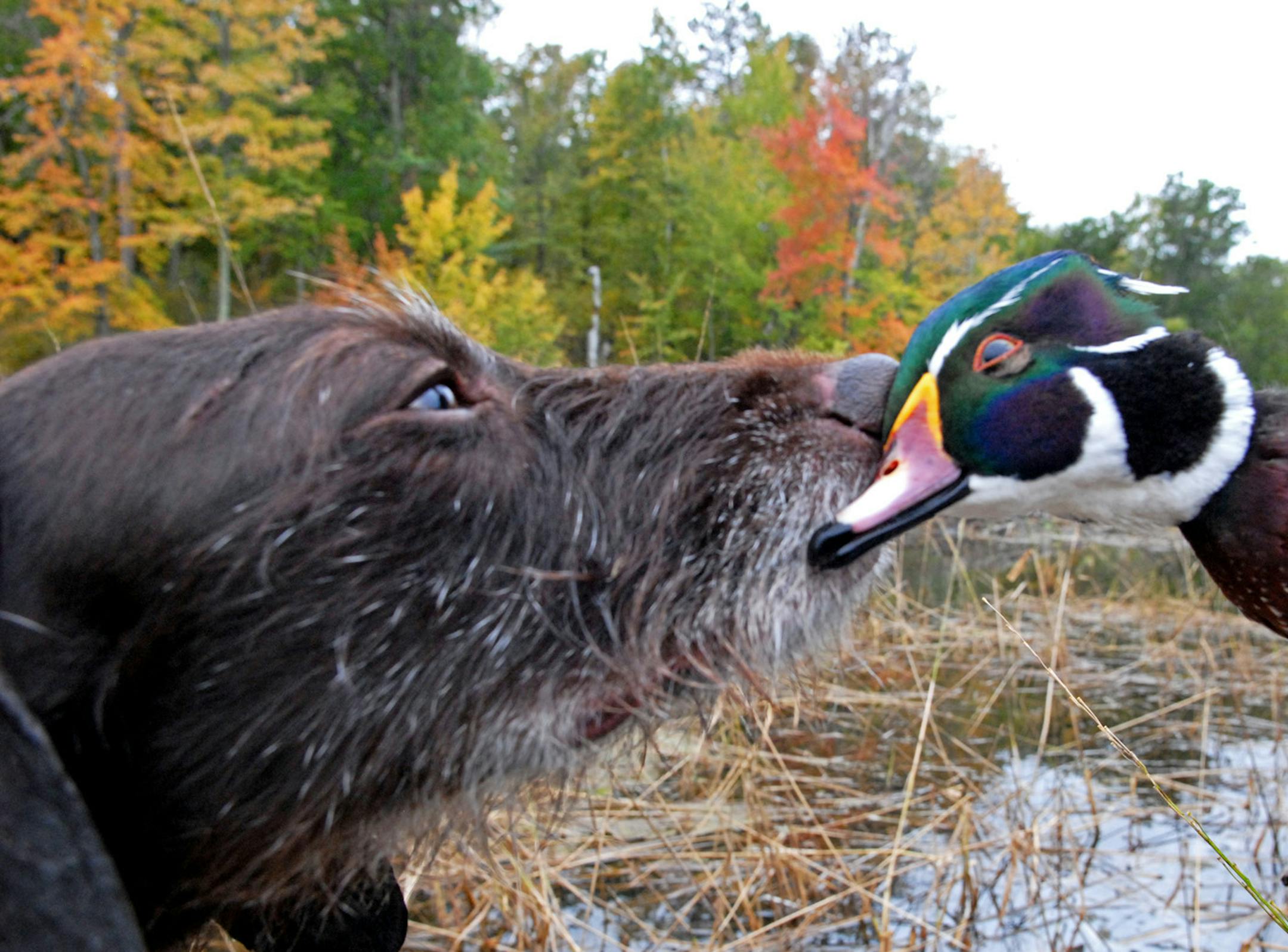
Members of the Concerned Duck Hunters group fear for the health of the wood duck population, pictured above with a pudelpointer, because of the increase of the daily bag limit from two to three and an earlier start to the season.
Members of the Concerned Duck Hunters group fear for the health of the wood duck population, pictured above with a pudelpointer, because of the increase of the daily bag limit from two to three and an earlier start to the season. (The Minnesota Star Tribune)

Ten years ago, a small group of mostly Minnesota duck hunters formed to voice concern over what they called an erosion of duck hunting's conservation ethic caused by an increasingly liberal approach to regulations.

The Concerned Duck Hunters Panel — which included some of the state's top wildlife biologists — said duck hunting shouldn't be allowed before sunrise, opposed starting the season in September and urged more restrictive bag limits. They also wanted spinning-winged decoys outlawed.

Since then, the group became inactive, several key members died — including wildlife management legends Art Hawkins, Harvey Nelson and Roger Holmes — and waterfowl hunting regulations have become even more liberal.

Prompted by those changes, a proposed early teal season and fears that duck populations aren't at record highs as federal surveys show, surviving group members are calling for renewed discussion among hunters and policymakers about the future of ducks and duck hunting.

"The regs are more and more liberal, yet more and more folks are seeing empty skies,'' said Dave Zentner, 78, of Duluth, a longtime duck hunter who heads the group. "I have great doubts we have as many ducks as we're being told we have.''

He and other members fear that duck populations will be hurt in the long run by the liberal approach. In 2011, the DNR made some of the biggest duck regulation changes in a generation — including starting the season earlier, liberalizing bag limits for hen mallards and wood ducks, and adding new zones and split seasons.

And last year, the U.S. Fish and Wildlife Service boosted the waterfowl possession limit, long double the daily bag limit, to triple the daily bag limit.

Members of the Concerned Duck Hunters group are especially worried about wood ducks since the daily bag limit was increased from two to three and the duck season was opened earlier, targeting more effectively Minnesota's breeding population of those birds.

"They are more vulnerable with the type of seasons we have now,'' said Lloyd Knudson, 69, of Hugo, a member of the Concerned Duck Hunters and retired DNR wildlife biologist. "You can only shoot two hen mallards, but you can shoot three hen wood ducks.''

An early teal season, offered by the U.S. Fish and Wildlife Service and accepted by other states this year but not Minnesota, would result in many wood ducks mistakenly being shot, Knudson said.

"It's a bad idea,'' he said. "In early September, every duck in Minnesota is brown [and difficult to identify].''

The DNR plans to survey Minnesota duck hunters after the season to gauge support to an early teal season before deciding whether to offer one next fall.

Many of the liberalized state regulations came under the watch of DNR Commissioner Tom Landwehr, and he defends those moves to provide a dwindling number of duck hunters more opportunities.

"The immense amount of data collected about waterfowl strongly indicates there's not a problem,'' he said. "But we should always be conscientious. There's concern we're overharvesting local wood ducks, and we've accelerated our banding program on wood ducks [to help determine impacts].''

And he, too, said he has concerns about an early teal season.

"We tried it [in 1965] and found out half the ducks shot were non-target birds. I don't know that duck hunters today are any better at identifying ducks then they were in the 1960s. I just don't think it works for Minnesota.''

Said Roger Strand, 78, of New London, a hunter, longtime wood duck advocate and member of the Concerned Duck Hunters panel: "It's not really an early teal season, it's an early duck season,'' because of the likelihood other species will be shot. "When they talk about a 'mistake duck' it's an embarrassment.''

Landwehr said he welcomes discussing the issues raised by the Concerned Duck Hunters and has suggested the topics be brought to the annual Waterfowl Symposium, sponsored by the Minnesota Waterfowl Association, U.S. Fish and Wildlife Service and DNR. The event, open to the public, is Feb. 7 in Bloomington.

Brad Nylin, executive director of the Waterfowl Association, said that while the agenda hasn't been set, he expects the liberalized hunting regulations will be a symposium topic. His group is not in favor of an early teal season, for the same reasons voiced by the Concerned Duck Hunters.

Landwehr said the fact Minnesota now has about 76,000 duck hunters, down from 140,000 in the 1960s, means the liberal bag limits and regulations will have less impact than in years past. Zentner doesn't buy it.

"From the loss of habitat that has occurred to hunters' experiences, none of this adds up,'' he said. "It's a ridiculous argument. Most hunters want to see something in the sky, and the vast majority are seeing empty skies.''

Landwehr said the liberalized regulations have given hunters more opportunities.

"You can hunt ducks 71 days in Minnesota, and can harvest six birds [in the daily bag],'' he said. "It's an extraordinary season.

"The question I'd like to throw out there is how much is enough? What is an ethical, moral, sportsmanlike season and bag limit?''

That's a question Zentner, Strand, Knudson and other Concerned Duck Hunters would like answered, too.

Doug Smith • doug.smith@startribune.com

Twitter: @dougsmithstrib


KYNDELL HARKNESS • kharkness@startribune.com] Roger Strand is a long time duck hunter and conservationist. ORG XMIT: MIN2014092310552035
Roger Strand: The Concerned Duck Hunters member opposed an early teal season for fear that other ducks get shot by mistake. (The Minnesota Star Tribune)
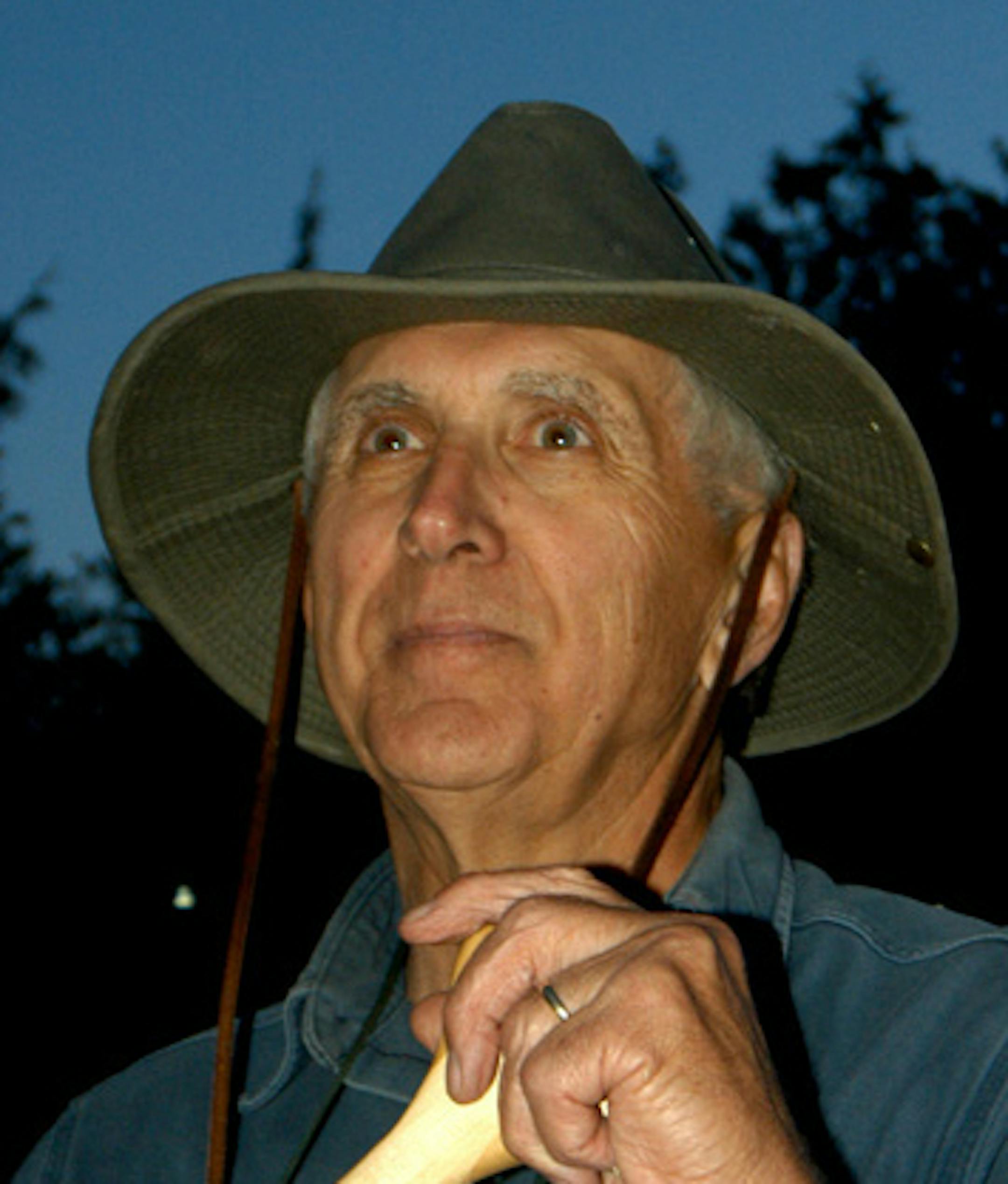
DENNIS ANDERSON ï danderson@startribune.com // Dave Zentner of Duluth is a former national president of the Izaak Walton League, and more recently co-director of the Ducks, Wetlands and Clean Water Rally at the Capitol. He fishes Wisconsin's Brule River often in spring, summer and fall, as well as other streams that empty into Lake Superior. Recently on a darkened night on the Brule in northern Wisconsin, he awaited the spinner fall of the hexogenia, a mayfly on which brook and brow
Dave Zentner: The Concerned Duck Hunters’ leader fears the duck population can’t withstand a higher daily bag allowance, despite fewer hunters. (The Minnesota Star Tribune)
During the youth hunt, DNR commissioner Tom Landwehr waited for ducks while with his son Hunter, 13, hunting mentor Alex Larson, 20, of Mounds View, and Corey Benson, 13, of Shoreview, on a pond at the Minnesota Horse and Hunt Club in Prior Lake, MN Saturday, Sept. 10, 2011.] - Prior Lake, MN DAVID JOLES*djoles@startribune.com - Saturday is Minnesota Youth Waterfowl Day, a special day for youths 15 and under to hunt waterfowl.**Tom Landwehr,cq ORG XMIT: MIN2014010817155472
Tom Landwehr: The DNR commissioner said current policies are in place to give a dwindling population of hunters more opportunities. (The Minnesota Star Tribune)
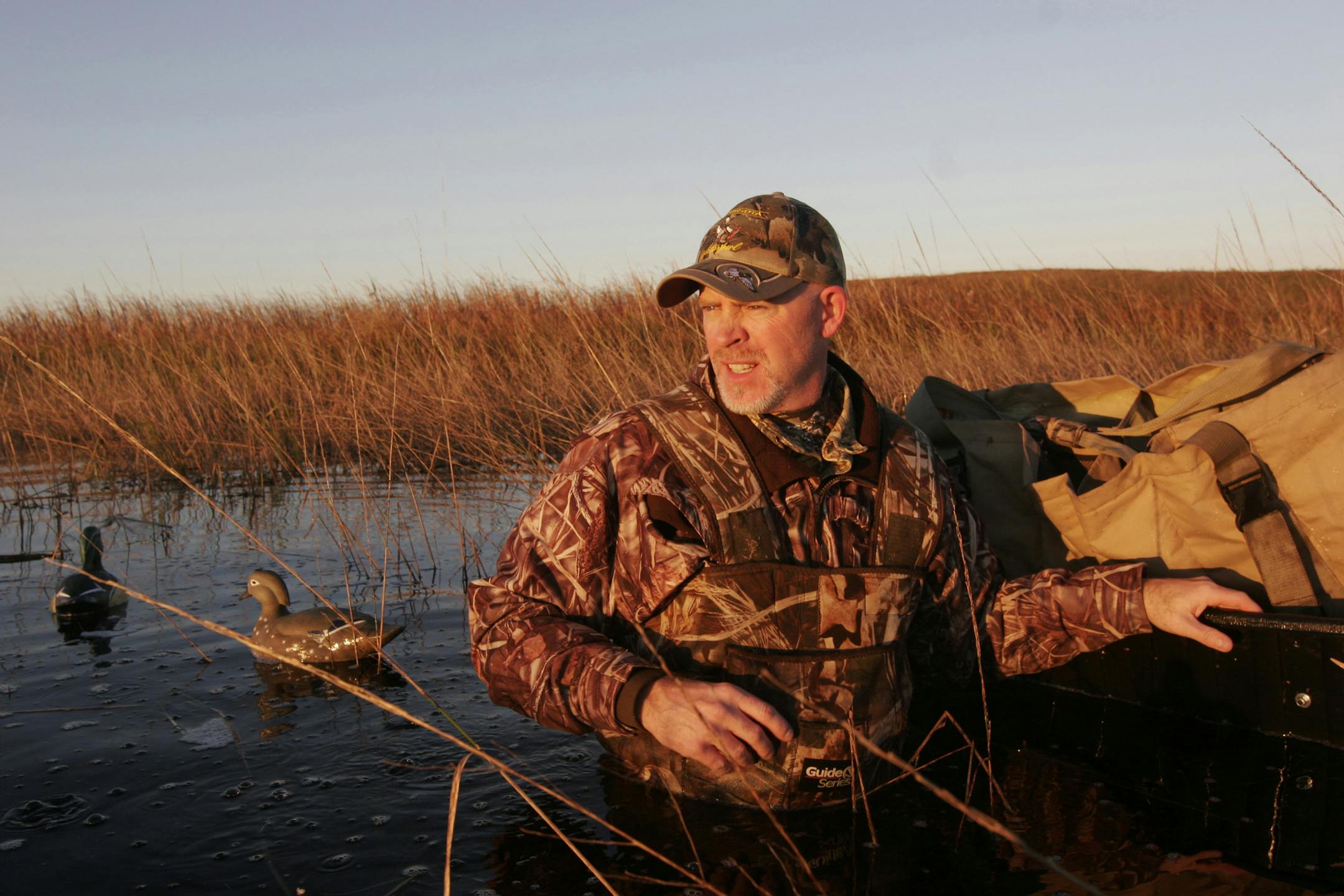
Doug Smith/Star Tribune; Oct. 2, 2010, near Sauk Centre, Minn. Brad Nylin, executive director of the Minnesota Waterfowl Association. puts out decoys in a slough Saturday morning near Sauk Center. It was the duck season opener. ORG XMIT: MIN2014092310531234
Doug Smith/Star Tribune; Oct. 2, 2010, near Sauk Centre, Minn. Brad Nylin, executive director of the Minnesota Waterfowl Association. puts out decoys in a slough Saturday morning near Sauk Center. It was the duck season opener. ORG XMIT: MIN2014092310531234 (The Minnesota Star Tribune)
about the writer

about the writer

DOUG SMITH, Star Tribune

More from No Section

See More
FILE -- A rent deposit slot at an apartment complex in Tucker, Ga., on July 21, 2020. As an eviction crisis has seemed increasingly likely this summer, everyone in the housing market has made the same plea to Washington: Send money — lots of it — that would keep renters in their homes and landlords afloat. (Melissa Golden/The New York Times) ORG XMIT: XNYT58
Melissa Golden/The New York Times

It’s too soon to tell how much the immigration crackdown is to blame.