

Leah Cooper was adopted after being featured on a Los Angeles TV show when she was a baby. She hadn't given it too much thought until recently. Now she's immersed in the writing of a play that centers on the topic.
"I'm discovering I have more feelings about my adoption than I thought," she said.
The "Adoption Play Project" is in development stages through Wonderlust Productions, a theater company that Cooper and her husband, Alan Berks, who live in Minneapolis, started up six months ago.
A merger of two previous groups that they separately ran, the company strives to "forge new ways of seeing our common experiences by creating new plays that transform the past into a better future," the group's materials state.
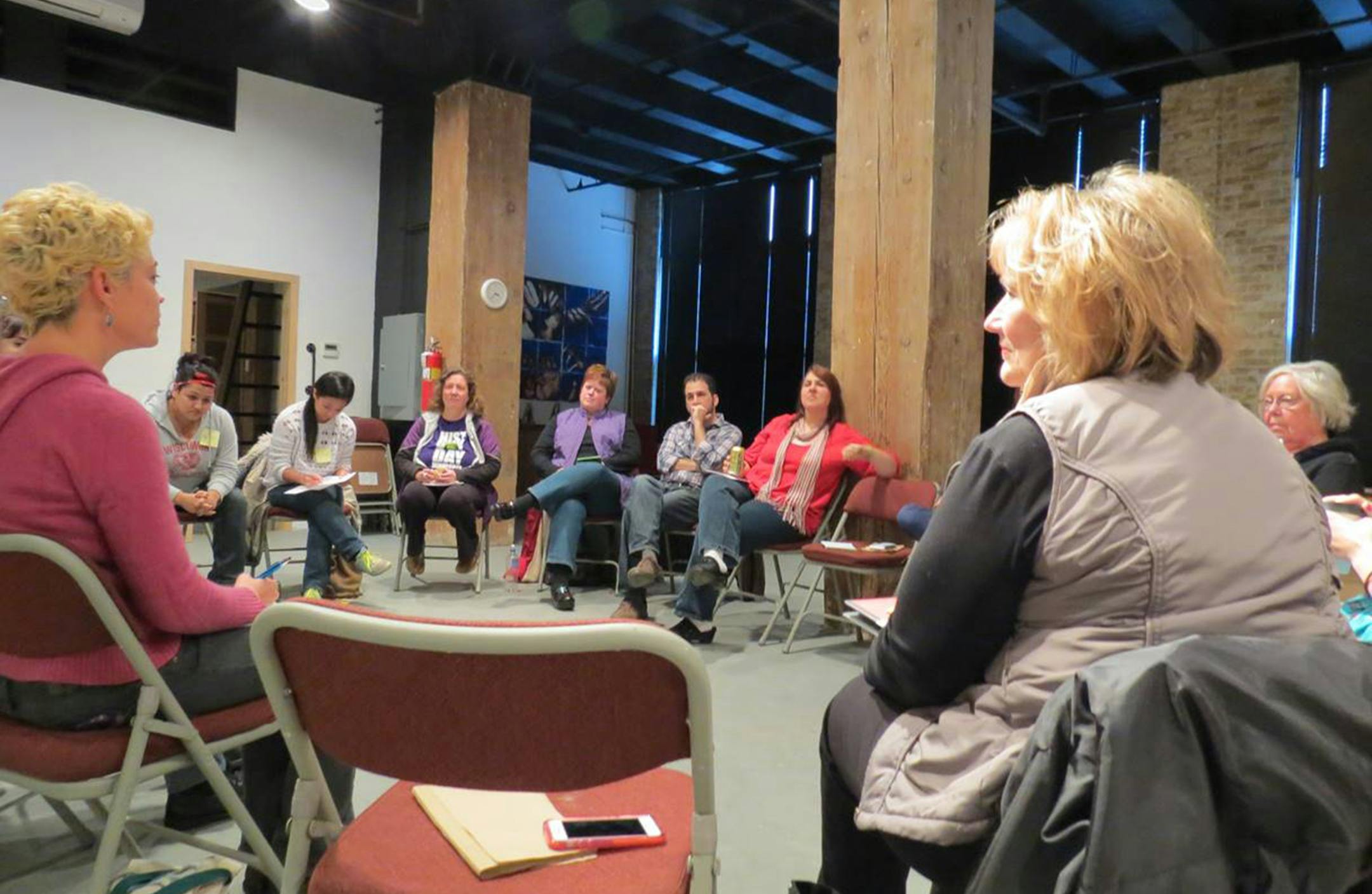
The play is being written through a collaboration with other members of the adoptive community. To provide material, the group is convening a number of "story circles" or discussions that bring together people whose adoption experiences run the gamut, Cooper said.
The story circles have attracted a wide range of people, including birth mothers and a birth father; adoptees—including a few from Korea and one from Guatemala. So far, the company has held four "story circles." The next two are planned for Thursday, Nov. 20, from 7 to 9 p.m. at Byerly's in St. Louis Park and Saturday, Nov. 22, from 11:30 a.m. to 1:30 p.m. at the Pillsbury House Theatre in Minneapolis. Additional story circles, including one aimed at Asian adoptees, will take place in December.
Cooper, who trained with the community-oriented Cornerstone Theater Company in California a few years ago, was drawn to the idea that theater should be made "live" with the help of community members. The final product won't be a documentary, but it will aggregate many people's stories in a fictional way, so "it gets to be universal instead of just one person's experience," she said.
More traditional theater has a different starting point. That is, "we decide on a story to tell and we go find a community to tell it to," Cooper said. In this community-engaged process, "we start with the people and then we decide what to tell," so the narrative unfolds further down the line, she said.


