

WINNIPEG, MANITOBA — Just days after the election, the flight to Canada was packed.
But not with famous figures from Hollywood acting upon pledges to flee if Donald Trump won, or those who crashed Canada's immigration website on election night. Instead, the passenger manifest was mostly Manitoban, at least based on the ubiquitous Winnipeg Jets jerseys.
Of course, Americans were on the flight, too — including me, en route to take part in a postelection panel discussion that included David H. Wilkins, former U.S. ambassador to Canada, and Carlo Dade, director of the Centre of Trade and Investment Policy at the Canada West Foundation, which sponsored the event.
The routineness of the flight, and the cautious optimism expressed by Canadians and Americans alike, suggests that President-elect Trump's upset victory might not fundamentally change the bilateral relationship.
There will be challenges, however, especially since imports superseded immigration as an issue in the industrial Midwest states that put Trump over the top. And indeed, the president-elect has pledged to act on the Great Lakes and Great Plains regions' plaintive protest vote against free-trade agreements by saying he would renegotiate, if not exit, the North American Free Trade Agreement.
The U.S.-Canada relationship — this month's Global Minnesota "Great Decisions" dialogue — is "disproportionately important to us," said Andrew Enns, president of the Canadian-based NRG research group. "From the government's perspective, we're a trading nation."
Among Canadian citizens, 54 percent believe Trump will have a negative impact on trade, and 59 percent believe he will have a negative impact on overall U.S.-Canada relations, according to an NRG poll released last week. Sixty-nine percent of those polled also believe that immigration applications will increase as a consequence of the election, and 45 percent anticipate application increases from immigrants who seek to move to Canada instead of the U.S.
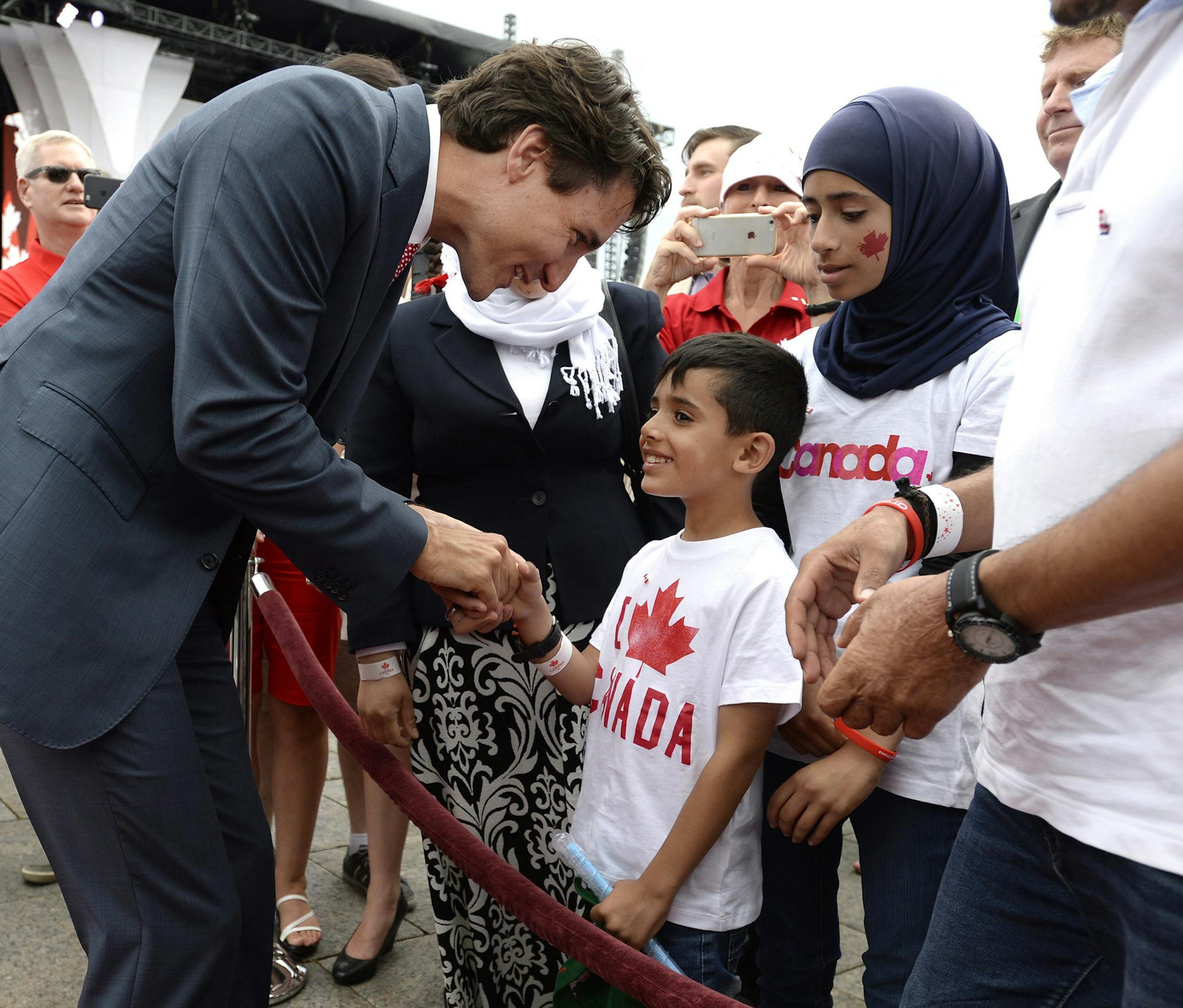
If so, Canada's welcome mat will likely remain rolled out. And at the head of the receiving line might be Prime Minister Justin Trudeau, whose self-labeled "sunny ways" policies sharply contrast with the dark political clouds shrouding U.S. and European politics.


