

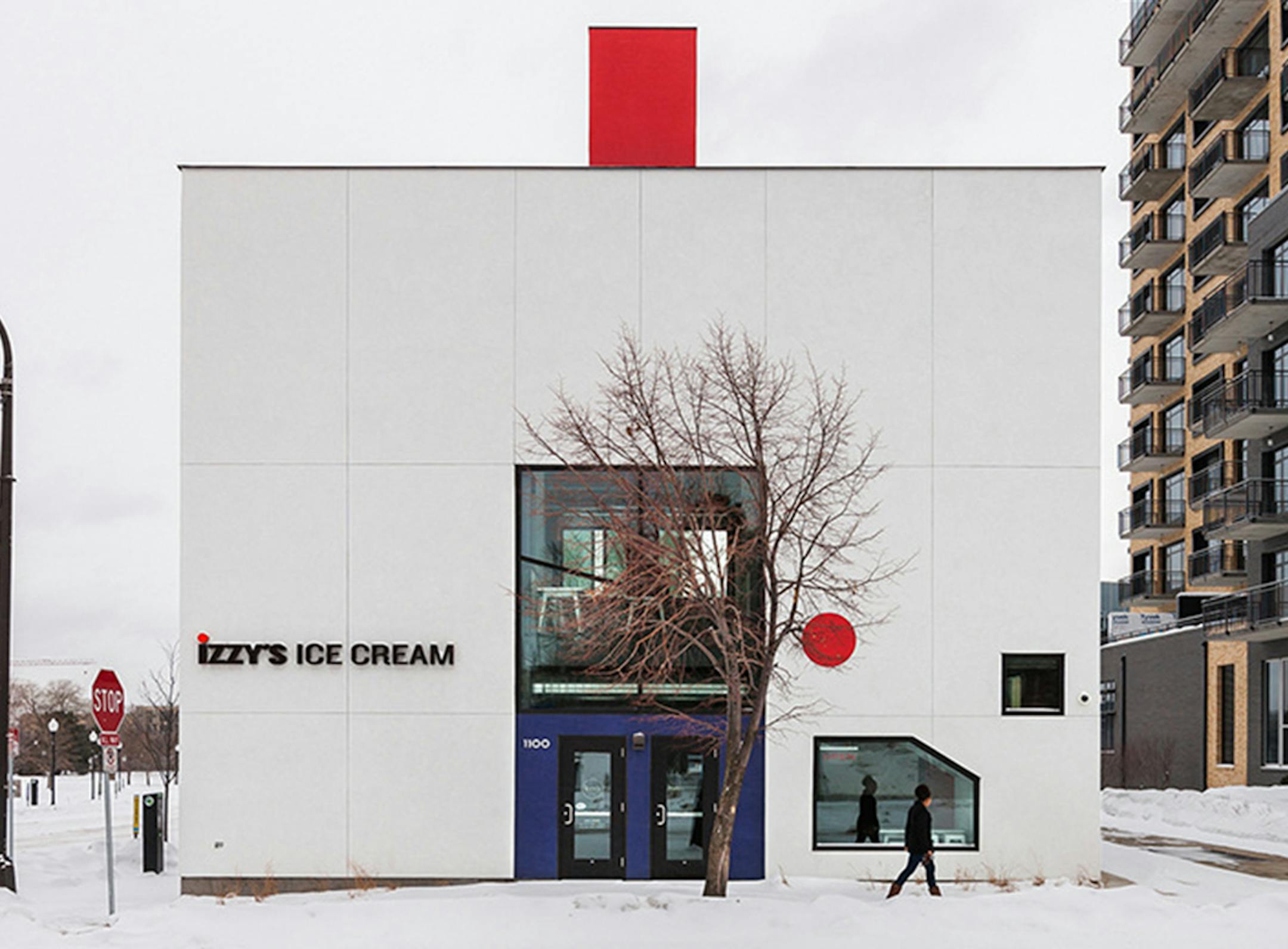
Minnesota promotes itself as the Bold North, yet our urban landscape is anything but bold.
We have some of the most dramatic seasonal shifts in the country. Summers can be steam baths and winter windchills can fall to 50-below. But you'd never know that from looking at our buildings, our parking lots, bus and transit stops, even high-design arts and civic projects.
All too often, our public spaces and civic landmarks are designed for perfect weather. They photograph beautifully in the warmer months, but are planned with little regard for seasonal changes in color, temperature and wind.
Consider the Minneapolis Central Library. While picturesque in summer, its front-door bosque of leafless locust trees look stark and bleak in winter. In addition, the entry on the Nicollet Mall bakes in the summer sun and is whipped by wind in the winter.
The library is far from the only example. In fact, you can find winter-unfriendly spaces throughout the Twin Cities: exposed entrances; open, treeless parking lots; big-box stores with no windows; and the ubiquitous beige of houses and commercial buildings.
It doesn't have to be this way. There are time-tested designs that make the best of winter. Just ask architect David Salmela. The Duluth-based third-generation Finnish-American combines older design techniques with modern materials when he's building in a northern climate.
Here are some of his suggestions for making winter streetscapes a celebration of all the senses.
1. Take nature into consideration


