

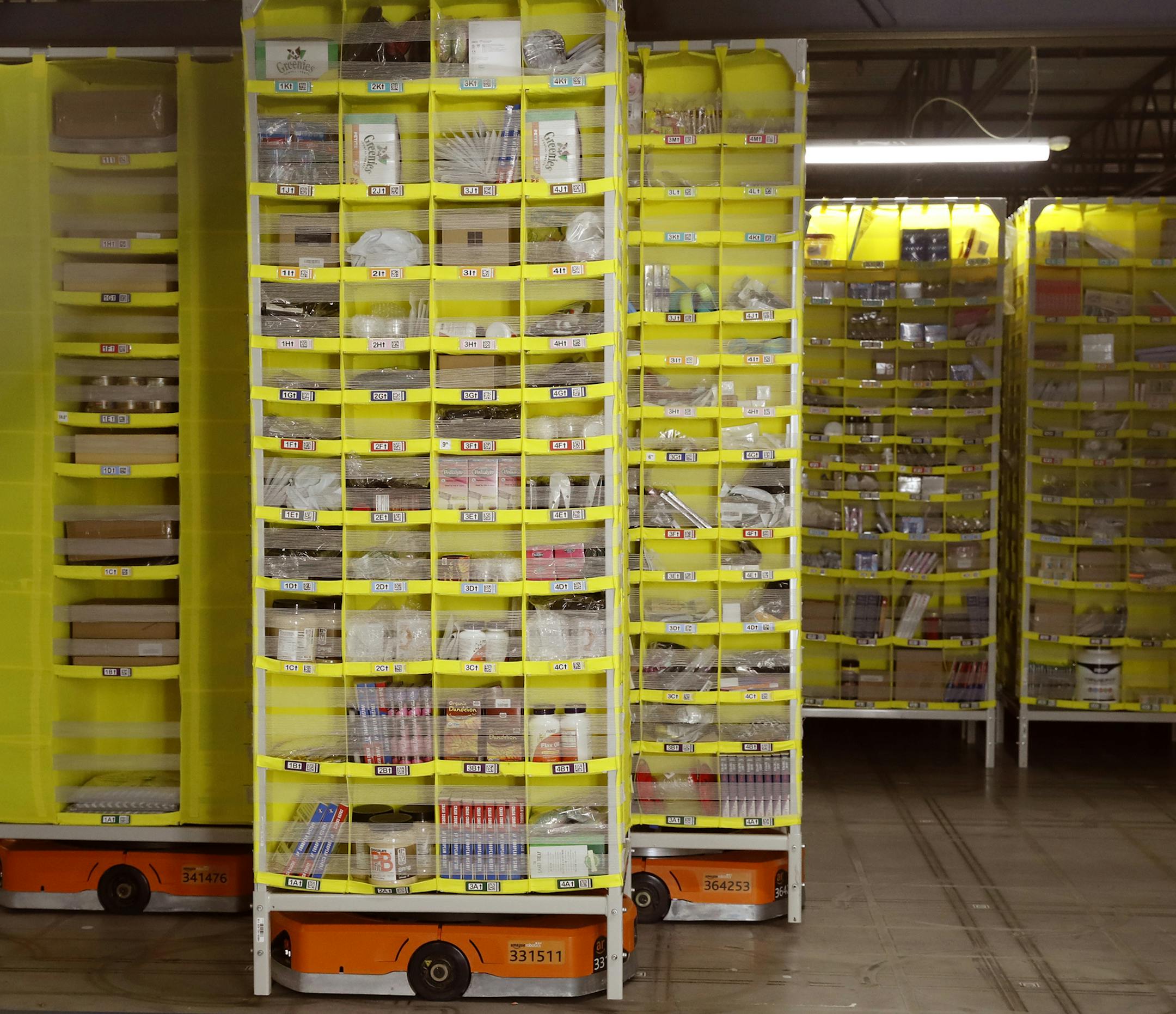
A new term is being used to describe the current state of our manufacturing economy — Industry 4.0. In other words, the Fourth Industrial Revolution.
What were the previous industrial revolutions and how does this one differ?
Industrial Revolution 1.0: Beginning in England around the American Revolution, masses of people moved from farming to factories, with steam engines providing manufacturing power and distribution through railroads and steamboats. The telegraph revolutionized long distance communication.
Industrial Revolution 2.0: Beginning in the late 19th century, a series of technological innovations spurred the development of mass production and the expansion of the giant metropolis — oil, steel, electricity, telephone, radio, automobile and airplane.
Industrial Revolution 2.5: The past century saw a "soft" but critical revolution — lean production. Adding statistical process control and continuous improvement to mass production led to incredible increases in manufacturing and services efficiency, and remains the foundation of our economy.
Industrial Revolution 3.0: The advent of mainframe computing in the 1960s; personal computers, or PCs, in the 1980s; and the internet in the 1990s led to a digital overlay of process automation that changed how corporations manage and exchange information. For that matter, it created the concept of "information."
Industry 4.0: Now to the current day. As described in "The 4th Industrial Revolution," a 2017 book by Klaus Schwab, executive chairman of the World Economic Forum, Industry 4.0 has data and analytics at its core. It includes digitally integrating and automating corporate and industry processes, leveraging cyber-physical systems (mechanisms controlled by algorithms), the Internet of Things, cloud computing and artificial intelligence (AI). The goal is the entire economy functioning as a single "smart factory," anticipating customer needs and adjusting inputs and outputs to fulfill them, with most decisions being made by algorithms based on data — yours and mine.
Like the previous revolutions, Industry 4.0 will cause much disruption and greatly reduce the cost of consumer goods. Unlike the previous ones, it will not create masses of new jobs.


