

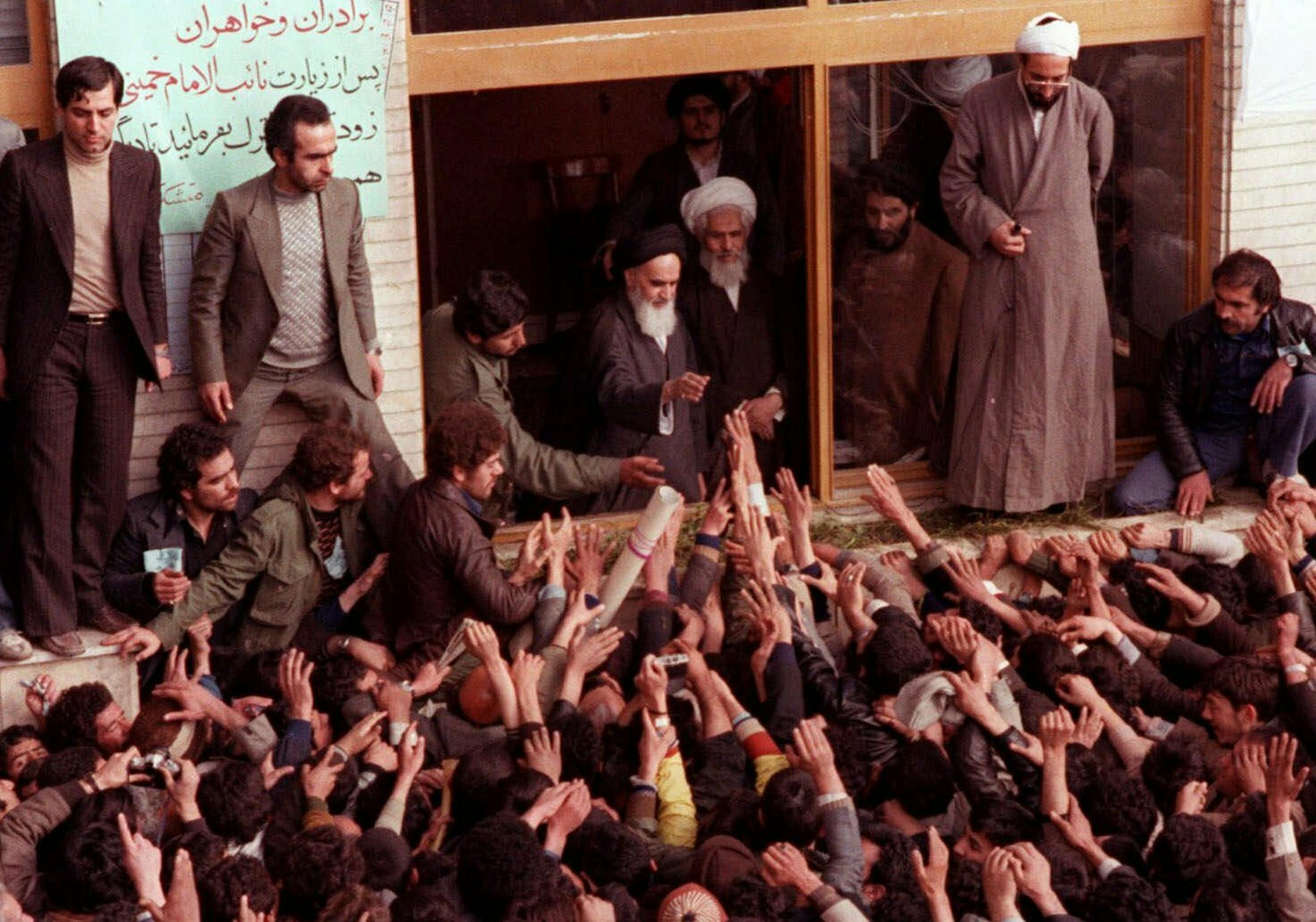
Iran marked the 40th anniversary of its Islamic Revolution this week.
For the most part, the rest of the world wasn't celebrating.
And even in Tehran and elsewhere in the Islamic Republic, the public is restless, reflecting dissatisfaction with economic mismanagement, endemic corruption and endless geopolitical strife.
"After 40 years, Iranians today have to feel pretty hopeless in trying to bring about amelioration of the characteristics that so disappoint people about the Islamic Republic, like corruption and international isolation," said Patrick Clawson, director of research at the Washington Institute for Near East Policy.
That international isolation intensified this week in Warsaw, site of a White House-convened confab focused on Mideast security (which is also the topic of this month's Global Minnesota "Great Decisions" dialogue).
But before and especially during the conference, it was clear that the theocracy's regionally, even globally, destabilizing behavior, including backing the homicidal Assad regime in Syria as well as terrorist entities like Hezbollah, was the real reason for the meeting.
"You can't achieve peace and stability in the Middle East without confronting Iran; it's just not possible," Secretary of State Mike Pompeo told Israeli Prime Minister Benjamin Netanyahu.
And seemingly it wasn't possible for Netanyahu to conceal the subtext of the conference, either. In a since-deleted "mistaken" tweet, he wrote: "What is important about this meeting, and it is not in secret, because there are many of those — is that this is an open meeting with representatives of leading Arab countries, that are sitting down together with Israel in order to advance the common interest of war with Iran."


