

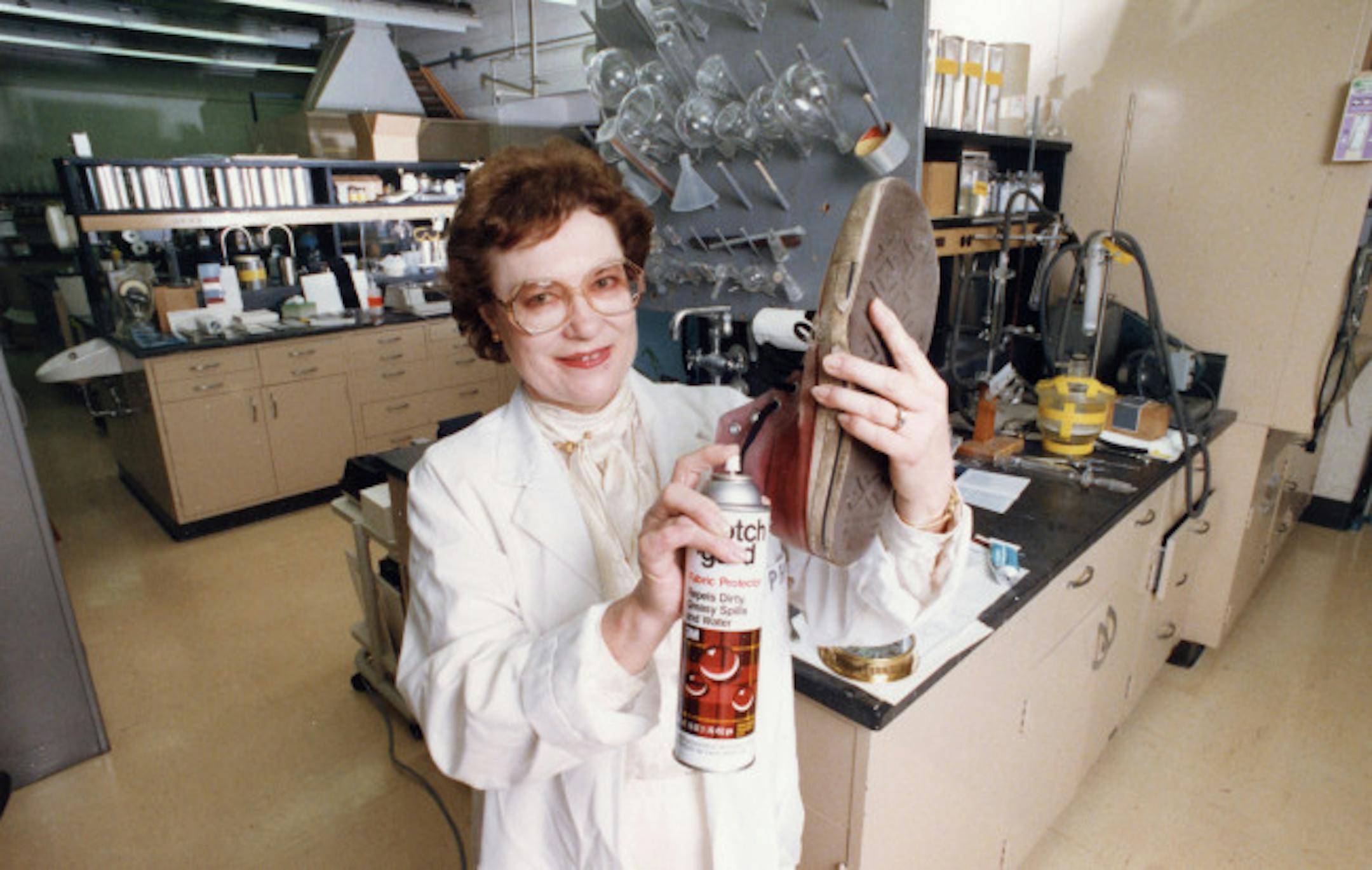
Jayshree Seth filed her first U.S. patent application with several colleagues within a year of landing a job at 3M in 1993.
The discovery had to do with disposable softgoods such as diapers. The sense of empowerment that came when 3M accepted her innovation and federal officials issued a patent launched a career that so far has led to 65 other patents and a title of corporate scientist.
A push by 3M to help women scientists and engineers innovate made a big difference for Seth. The company's commitment to increasing the number of women in its technical ranks and management led to an acceptance of females in a world once dominated by white men. So did a culture of information-sharing among 3M scientists.
Inclusiveness has become so important at 3M that employees are evaluated on it as part of annual reviews.
A recent report by the U.S. Patent and Trademark Office (USPTO) shows how critical such initiatives are to the country's public and private sectors. The office found that among patents granted in 2016, only 12% of inventors listed on the patents were women. The report cites a Harvard University study that concluded that if "women, minorities, and low-income children were to invent patented technology at the same rate as white men from high-income … households, the rate of innovation in America would quadruple."
The report has members of Congress looking at 3M for solutions as they confront what they call "lost Einsteins," although one female physician inventor suggests "lost Marie Curies" might be more appropriate. Other big companies such as Procter & Gamble, Bristol-Myers Squibb and Abbott Laboratories are looking for ways to increase innovation among female employees because of what it can bring to their businesses.
"There needs to be an appreciation of diversity," said Seth, who earned a doctorate in chemical engineering. "We're losing out on inventions. [Different kinds of people] bring different ideas to the table. We need those ideas."
Without policies to promote them, the USPTO reports that it could take until the end of the century to achieve gender equality in innovation.


