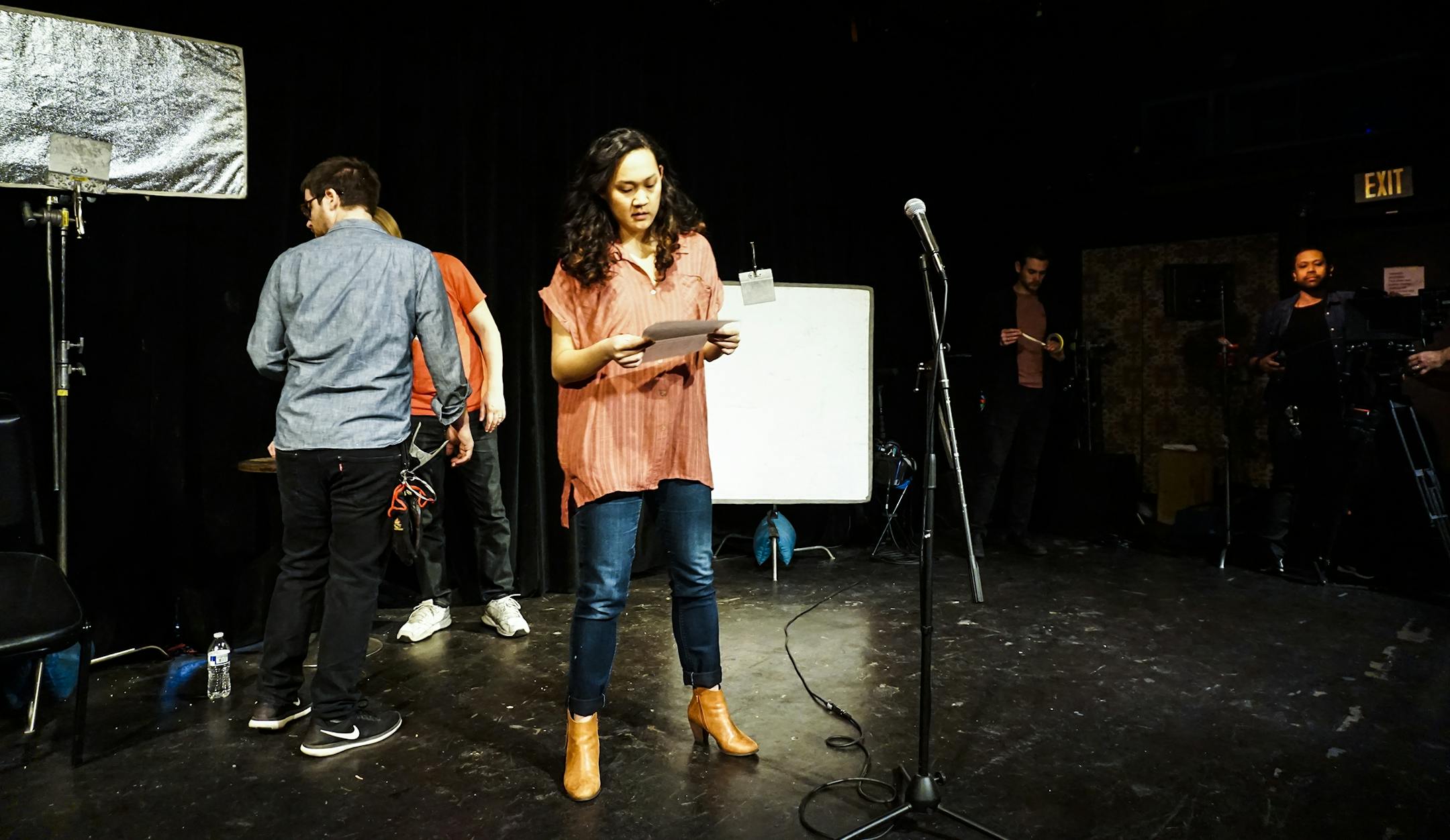
Naomi Ko has been accosted while riding the subway in New York, yelled at for wearing a mask on the street in Minneapolis, and called a "COVID-spreading" sexual slur outside of a Korean mom-and-pop store in Pasadena.
The men who confronted Ko all blamed her for the coronavirus.
"I am the physical representation that it doesn't matter where you are geographically," said Ko, a filmmaker who splits her time between Los Angeles and the Twin Cities. "You can still experience anti-Asian hate on your Asian female body."
Hostilities toward Asian Americans had already been building across the nation when a gunman opened fire a year ago at Atlanta massage parlors, killing eight people, including six women of Asian descent. It was a galvanizing moment for the Asian American community. But as we mark the anniversary of the shootings this week, it's worth pointing out that pandemic-fueled racism has not waned.
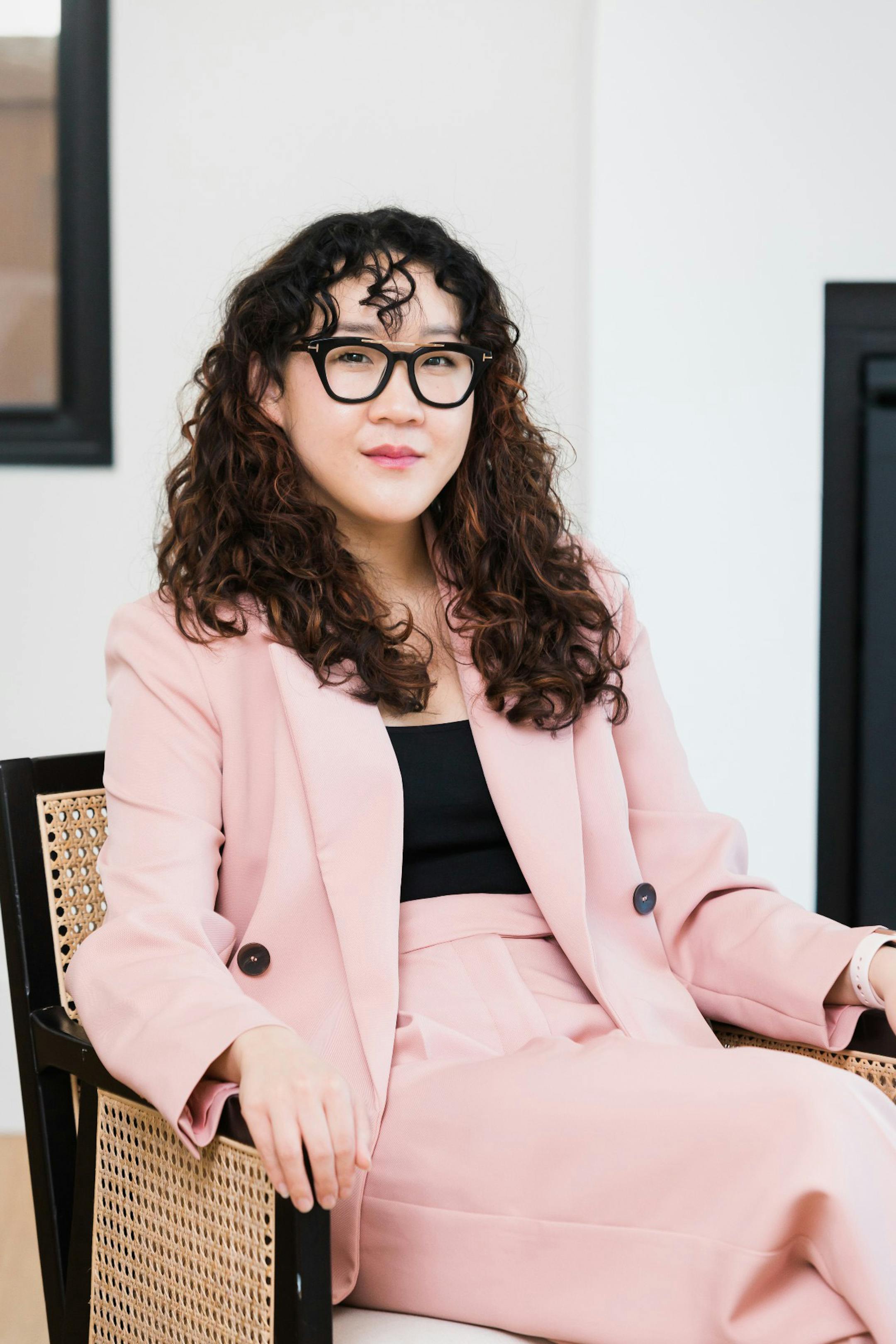
In fact, the national Stop AAPI Hate organization has tracked more than 6,270 hate incidents in 2021 against Asian Americans and Pacific Islanders. That's up 35% from the previous year. Women were the targets in 62% of the reports.
What's less explored is how acts of violence — as well as the more garden-variety racism Ko has experienced — can shape one's sense of fear and personal safety.
Ko has taken bystander training, keeps a golf club in the trunk of her car, and carries around various pepper sprays.
"It's like the new Chapstick for me," she said with a laugh.