

How many 30-year-olds does it take to keep an orchestra alive?
For decades, music lovers have bemoaned the impending doom of orchestras, given their aging audiences and the reluctance of younger people to attend concerts. Several U.S. orchestras, from the San Francisco Symphony to the Cincinnati Symphony, responded years ago by forming groups for young professionals or launching discount-ticket programs to lure new audiences.
Although the Twin Cities' two leading orchestras long have done outreach to school-age kids, neither had taken coordinated action to target people in their 20s, 30s and 40s until last year, when the St. Paul Chamber Orchestra (SPCO) and the Minnesota Orchestra launched, respectively, Club2030 and the Crescendo Project.
Their strategies are decidedly different. Whereas Club2030 simply offers low ticket prices to draw a younger demographic to SPCO concerts, the Crescendo Project offers receptions, educational events and package deals to build a cohesive social network of younger classical-music fans.
Unlike past years when ticket sales often exceeded 30 percent of an orchestra's annual revenues, now that share usually plateaus around 15 to 25 percent, said orchestra consultant Drew McManus. Decreasing ticket sales mean that modern-day orchestras must rely on donations and endowment funds as their main sources of sustenance. Both Twin Cities groups need to develop a loyal, younger patronage that not only buys tickets, but also will age into their big-time donors by 2040.
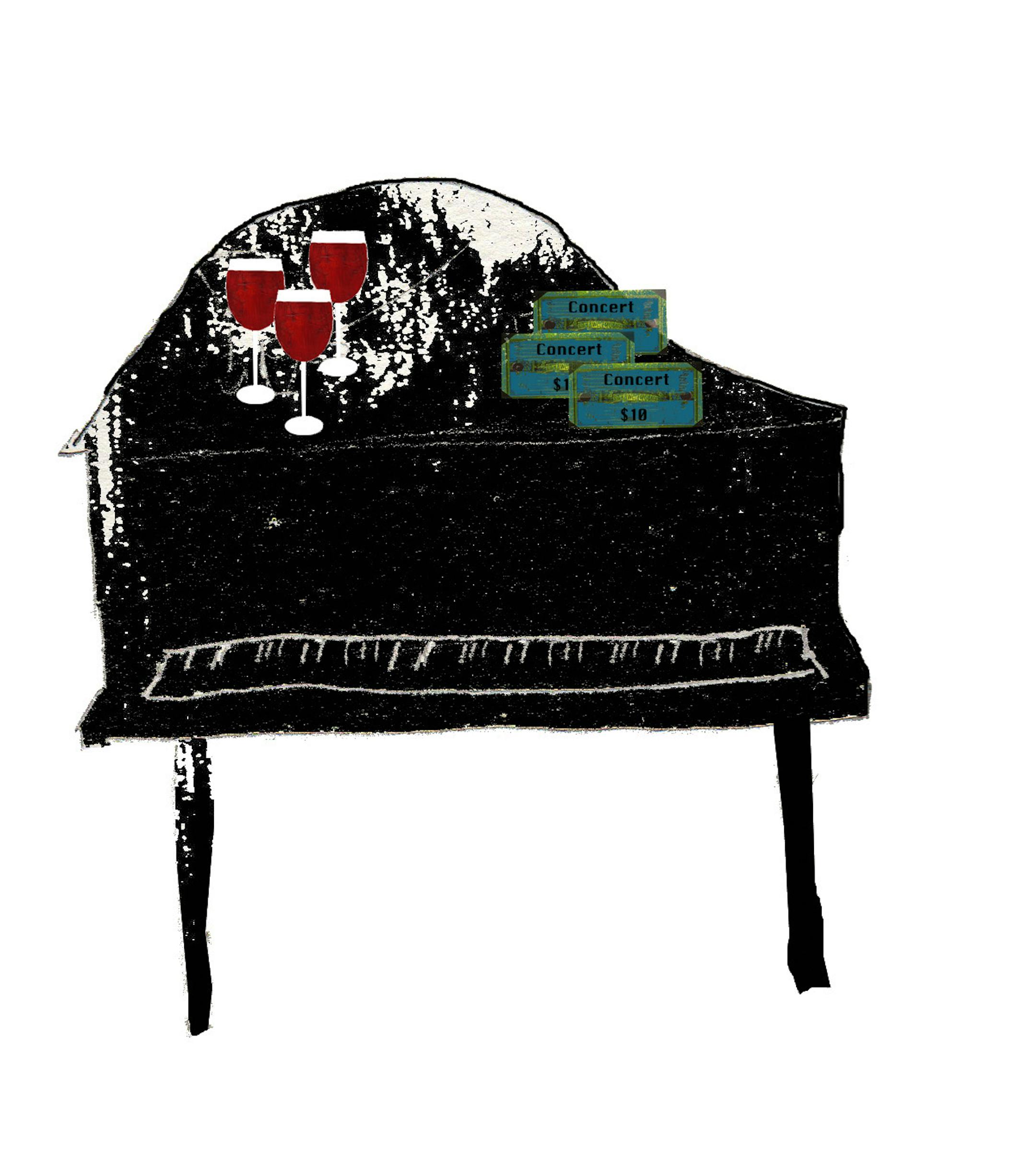
The SPCO's Club2030 offers any self-declared 20- to 39-year-old -- and a guest of any age -- access to $10, best-available-seat tickets to the orchestra's Ordway concert series. The lowering of ticket prices follows a similar move made in 2005 for the orchestra's neighborhood series, but Club2030 differs in offering the discount only to a specific age group.
Jon Limbacher, the SPCO's vice president and chief operating officer, described it as an "alarmingly simple" deal that attracts a younger audience, but with no frills, such as post-concert receptions or meet-and-greet events. During Club2030's inaugural season last year, the orchestra sold 1,100 $10 tickets, and registered 2,000 members.
"We're not going to get caught in the trap of trying to provide a social experience," he said. "We risk drawing people for the wrong reasons ... [and] that's not our core competency."


