

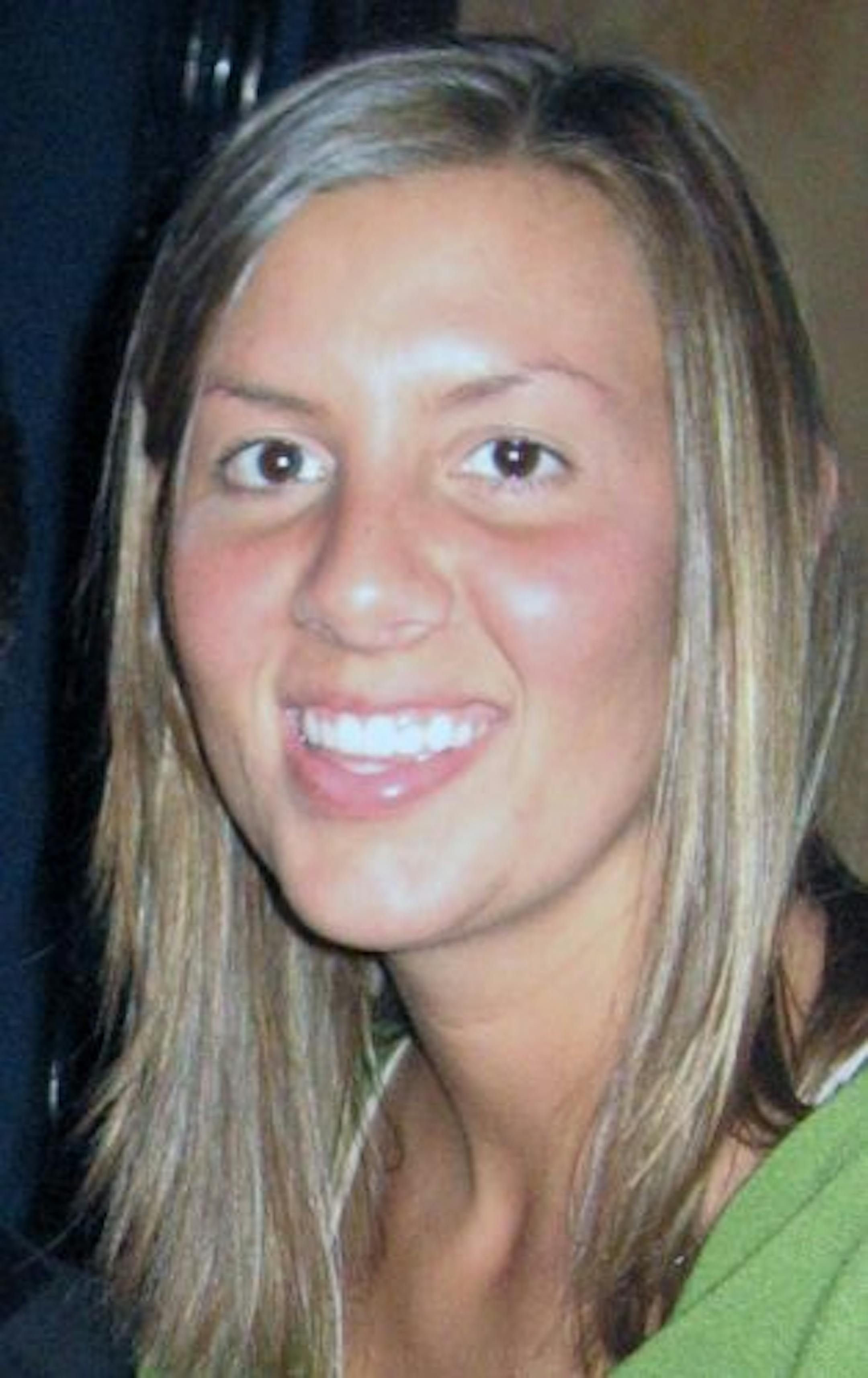
Sara Lohrman isn't waiting for her doctor's nudging to complete her health care directive. This proactive senior spelled out her end-of-life wishes months ago.
Directives are in the news this week, as critics of health care reform have stirred up the whopper that Granny will be forced to drop her knitting needles and submit to creepy "government-encouraged euthanasia." The part of the story that should scare us silly is how few Americans have a health care directive.
So it's with admiration, mixed with humility, that I introduce you to Lohrman -- a senior, all right, at William Mitchell College of Law in St. Paul. She's 24 years old and perfectly healthy.
"It's for my family," Lohrman said of the multipage document she completed in April, "to make it easier on them."
Her law professor, Kim Dayton, who directs the Center for Elder Justice and Policy, calls Lohrman "pretty unusual." But Dayton points out that the three most wrenching national stories around end-of-life issues have involved women in their 20s: Terri Schiavo, Karen Ann Quinlan and Nancy Cruzan.
Dayton has colleagues at other law schools who require students to write a heath care directive, also called an advance directive, before passing the class. She isn't going that far, but she's heartened that even "appallingly misleading" information of late may spawn a more level-headed discussion within homes and doctors' offices across the country. While the number of Americans with health care directives is reported at around 25 percent, Dayton thinks it's more likely in the single digits.
Aside from House Republican leader John Boehner of Ohio's government-encouraged euthanasia claim, other tracts circulating include myths such as, "Government will provide an approved list of end-of-life resources," and "The government has a say in how your life ends."
In addition, former New York Lt. Gov. Betsy McCaughey in July pointed to a "troubling provision" of the House bill that, she said, would require seniors to be counseled every five years regarding alternatives for end-of-life care.


