

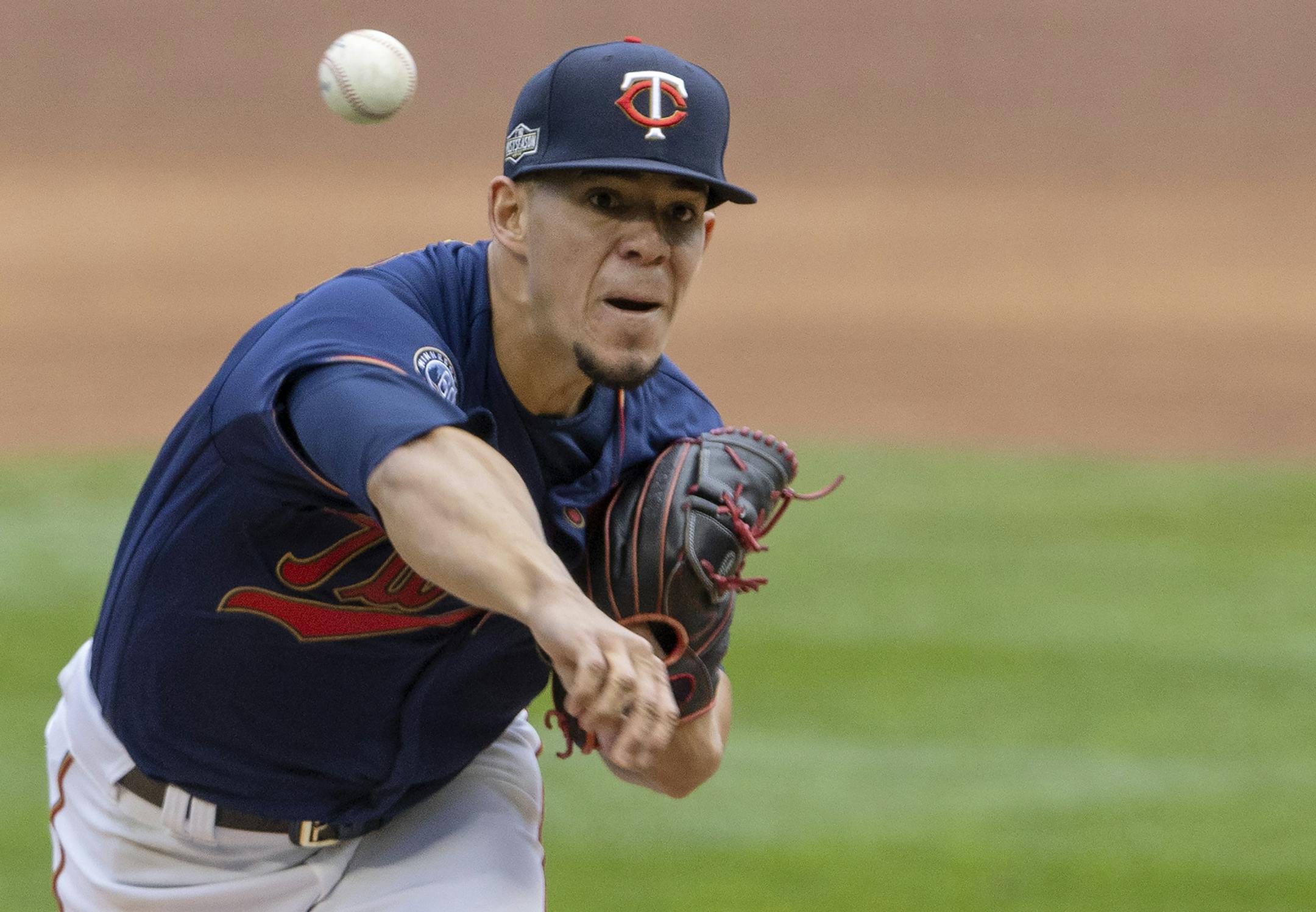
Watch starting pitchers closely this baseball season. Their managers will be.
Watch and you'll see some things you've never seen before. Very short starts. Six-man rotations. Maybe seven-man. And maybe this: getting to season's end with no pitchers topping 200 innings.
Innings pitched always has been a key factor in separating a good starting pitcher from an ace. Aces were horses, consistently pitching well — and deep into games.
Using innings to pass the ace test is more difficult now. In 2015, 28 pitchers threw at least 200 innings. From 2016 to '19, there were no more than 15 members of the 200-innings club in any season. Last year, MLB had to endure the pandemic games, and Lance Lynn's 84 innings led the major leagues.
Despite a plan to play 162 games, there might not be a single pitcher allowed to throw 200 innings this season for the first time. Teams are not horsing around when it comes to protecting their horses.
Teams are concerned about injury risks as they distance themselves from 2020. Last winter, pitchers started throwing programs in January. They were on their normal progression when spring games were halted last March. They did what they could to stay strong before ramping up again for what became a 60-game season.
Now, there are concerns that a start-stop-start 2020 can't be followed by normal workloads in 2021. Load management is about to peak in baseball. Teams are going to operate under an abundance of caution and monitor innings even more closely.
Several teams, including the Twins, Mariners, Tigers, Orioles, Royals and Marlins, have discussed using a six-man rotation. Pittsburgh recently signed Trevor Cahill to have a sixth starter. Skipping the fifth, or sixth, starter will go out the window. Off days or spot starters will be used to push an entire rotation back a day.


