

Opinion editor's note: Star Tribune Opinion publishes a mix of national and local commentaries online and in print each day. To contribute, click here.
•••
The pandemic has hung like a storm cloud over America for more than two years, but for some people, it has had a silver lining, or maybe gold. Since March 2020, the federal government has excused student loan recipients from both payments and accrual of interest — saving them, and costing the federal government, $200 billion so far.
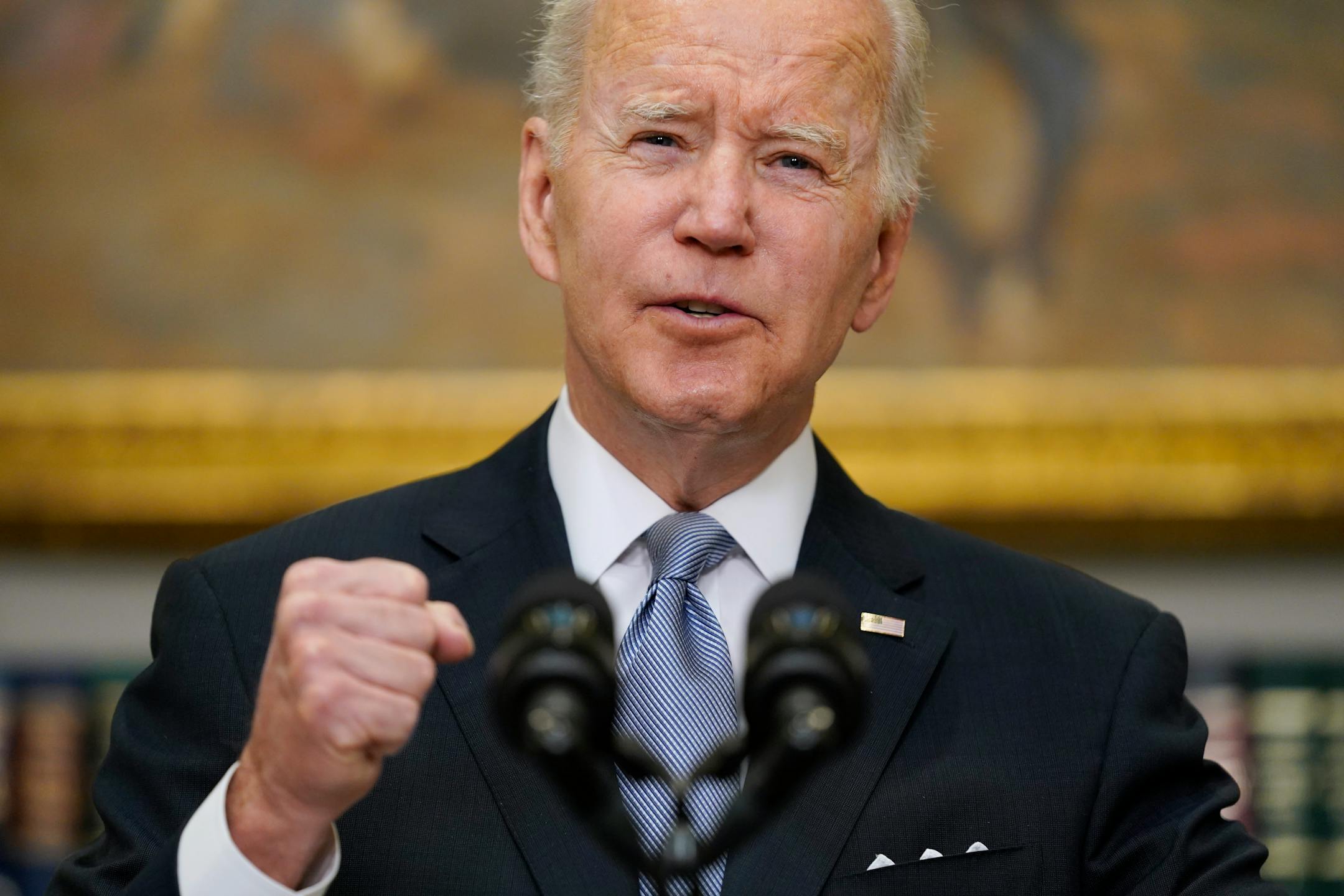
President Joe Biden says he's planning to provide additional relief to Americans burdened by student loans debts. During the campaign, he promised to cancel $10,000 for every borrower. On Wednesday, he ruled out demands to make it $50,000 but said he's seriously considering additional help.
The problem he's addressing is not imaginary. Some 45 million Americans owe a total of $1.6 trillion in student loans. Robert Lawless, a professor at the University of Illinois College of Law, notes that since 2006, per capita debts on credit cards and mortgages have declined slightly, in inflation-adjusted terms, while car loans have risen slightly. Meanwhile, student loan debt has more than doubled. The weight has fallen disproportionately on a generation of college graduates that was hit particularly hard by the Great Recession of 2007-09.
But the case for writing off loans across the board is weak. Many people carrying large debts have the sort of degrees and jobs that make repayment quite feasible. Many borrowers have smaller debts. Writing off loans across the board tends to be regressive, in that those with higher incomes would get an outsized share of the benefits.
There is a better option: letting borrowers discharge excessive debts through bankruptcy or some comparable procedure. That's a remedy available for just about every other type of debt. In colonial America, people who couldn't repay their loans could go to debtors' prison. But the Constitution authorized Congress to enact "uniform Laws on the subject of Bankruptcies."
These laws recognize that people and companies sometimes take on debts they ultimately cannot redeem. Bankruptcy is as American as "Little House on the Prairie." In 2020, there were 544,463 filings, down from 774,940 in 2019.


