
Working for a living, one day at a time

An inside look at the grueling world of the day laborer, from one who did the work.

For the Minnesota Star Tribune
February 20, 2010 at 8:45PM
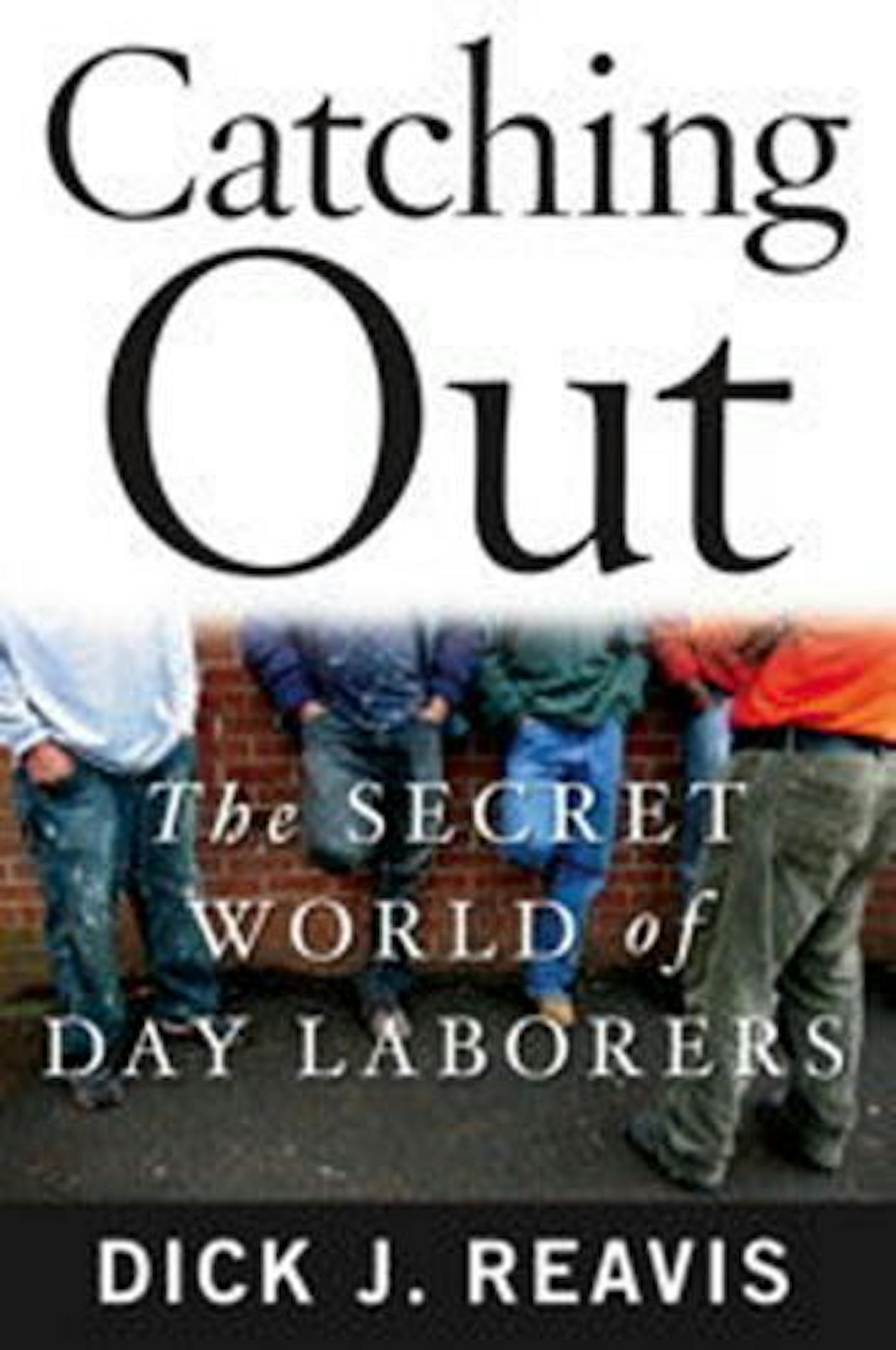
Catching Out by Dick J. Reavis
Catching Out by Dick J. Reavis (Star Tribune/The Minnesota Star Tribune)

Early one morning 22 years ago, a day labor service in Minneapolis dispatched me and two other guys to a steel plant to move vats of metal through an acid wash.

The two other guys were looking for $20 or so, a few hours' pay, for groceries or cigarettes, a bottle or bus fare.

I was working for another sweatshop, the Star Tribune, and looking for a story.

"At 7:30, a buzzer sounds and the foreman leads you into a barnlike building where the air is thick and smoky and smells like a chemistry experiment gone wrong," I wrote days later. "The foreman ... shows you a barrel full of worn, soiled gloves. 'Try to find one right-handed and one left-handed,' he says."

That was a skills test, I figured, or maybe just a measure of contempt.

Next day, I was sent to an industrial laundry in Golden Valley that took in dirties from nursing homes. "You want to fold," a more experienced laborer told me as we drove to the site. "You don't want to sort."

I escaped sorting, but I folded sheets for six hours -- at $3.55 an hour -- and couldn't raise my arms the next day.

Two days. That was my day labor experience. I was under 40 and, while not exactly "fit," all my limbs worked, but it nearly killed me.

Dick Reavis, 63, with a bad knee and a lung ailment that often left him panting, did it for months over two summers. "Catching Out: The Secret World of Day Laborers," is his account of the work, the workers, the boss men and the muscle-aching insights of those two summers.

Reavis occasionally "catched out" from day labor halls in his younger days, earning spending money by picking up at construction sites or humping boxes off trucks or ... sorting and folding.

As the national economy tanked, he decided to supplement his retirement account by rejoining the day labor force. He shared rides, lunches and smokes with workers known in the hall by first names or nicknames, and he felt the rhythms of this near-bottom rung of American commerce.

"Catching Out" is an entertaining and informative read, though Reavis' tendency to describe the race or skin color of virtually every laborer he introduces is distracting, as are his sometimes handbook-heavy explanations of machinery and processes at worksites.

He describes the men and women who work beside him as they were: felons, alcoholics and drug-users, illiterates and thugs, the despairing and the defeated -- but also decent and hard-working people, reliable and grateful for a chance to work, hopeful and sociable though they lack health insurance and most other employee rights and protections.

"The men and women with whom I worked were by and large people who were accustomed to living on the edge. They are now being shoved off a precipice, into a chasm with no safety net. Even they were not prepared for that."

Chuck Haga, a longtime writer for the Star Tribune, now lives in Grand Forks, N.D.

about the writer

about the writer

CHUCK HAGA

More from Minnesota Star Tribune

See More
card image
J. SCOTT APPLEWHITE, ASSOCIATED PRESS/The Minnesota Star Tribune

The "winners" have all been Turkeys, no matter the honor's name.

In this photo taken Monday, March 6, 2017, in San Francisco, released confidential files by The University of California of a sexual misconduct case, like this one against UC Santa Cruz Latin Studies professor Hector Perla is shown. Perla was accused of raping a student during a wine-tasting outing in June 2015. Some of the files are so heavily redacted that on many pages no words are visible. Perla is one of 113 UC employees found to have violated the system's sexual misconduct policies in rece