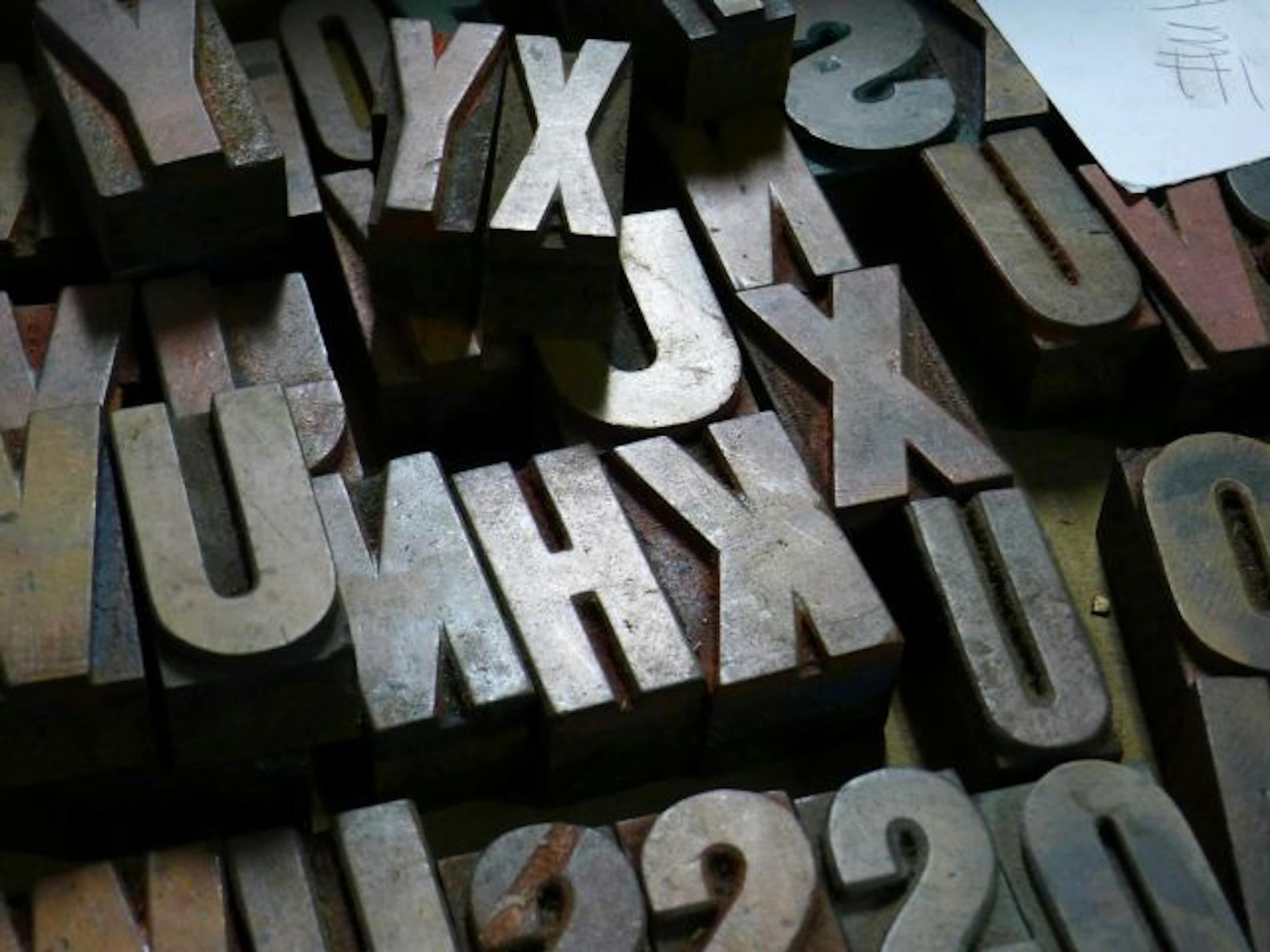
It is hard to be a newspaper person and not have a soft spot for wood type, the inexpensive and lightweight letter forms used in headlines and advertisements at a time when newspapers were booming.
For years, I've heard about the Hamilton Wood Type & Printing Museum, but I was not prepared for what I found in an unassuming, old factory a few hours' drive north of Milwaukee.
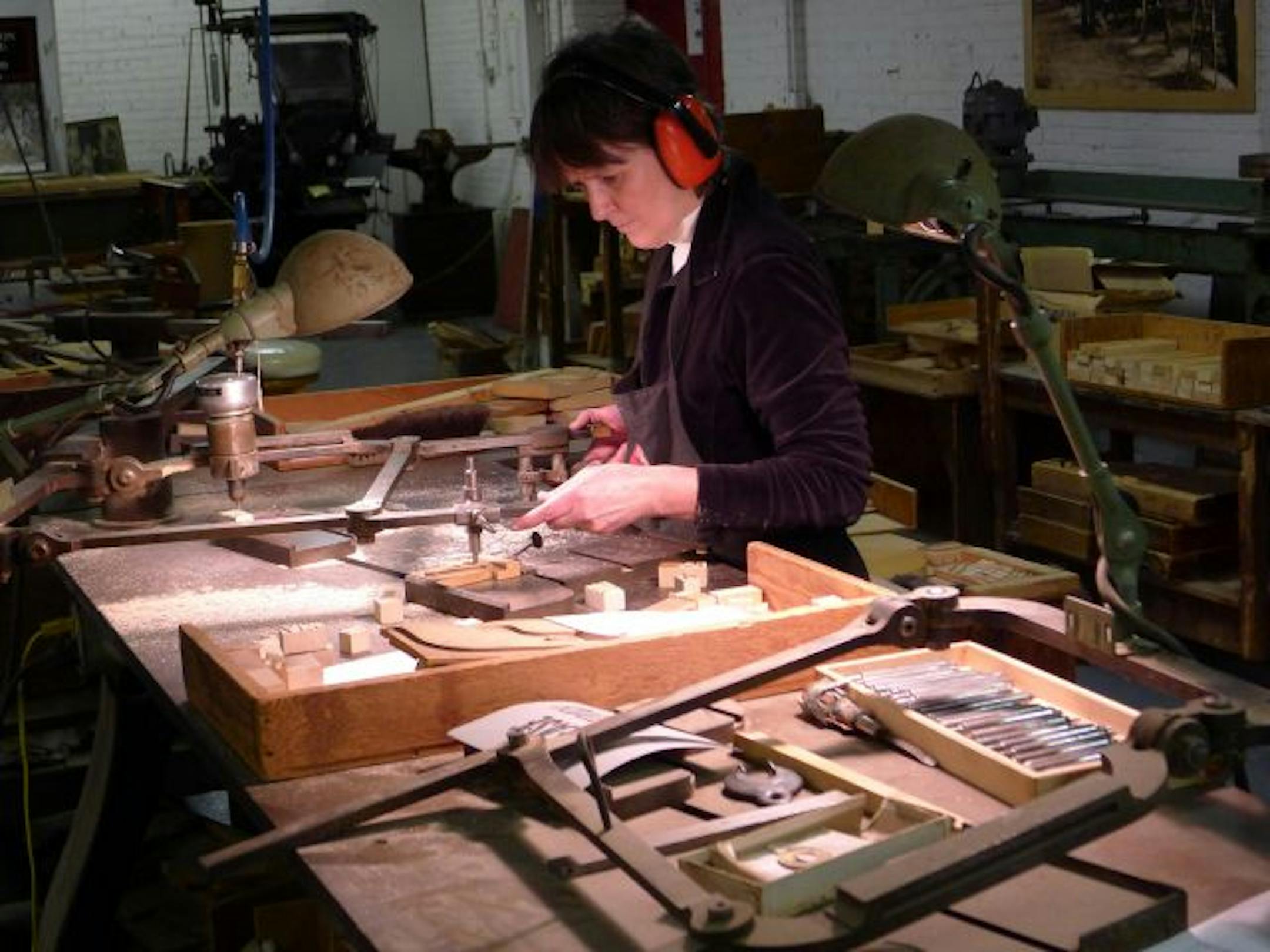
The museum is home to 1.5 million pieces of wood type, the largest collection in the country. The museum is on the site of the Hamilton Manufacturing Co., once the nation's largest manufacturer of wood type.
The company was founded in 1880 by Ed Hamilton, who as a young man made his first pieces of type from holly wood in a back room at his mom's house. He sent samples for his "Hamilton Holly Wood Type" to papers around the country, snagging his first order from the Green Bay Gazette.
The place had the smell of my dad's workbench mixed with the unmistakably tart, metallic scent of ink. It was the mixed bouquet of handmade things, of craft, and the printed word.
Set out on tables were the little blocks of wood, each with a single letter, fat or slim, serifed or sans. You could hold them in your hands, feel the weight of them and run your fingers across the smooth face of the backward facing letters. They were sanded to a degree of polish that seems impossible for wood. Still, my fingers found the tiny dents and flaws in them, the little wrinkles of age. Inked and re-inked, each piece of type had its own patina, too.
As objects, they are beautiful. They are touchstones, relics of posters for events such as the Columbian Exposition of 1893. But they are more than artifacts.
The museum is a working studio that quietly attracts contemporary artists, designers and typeface enthusiasts. Wood type is very much in vogue among contemporary artists. Just search for "letterpress" at Etsy.com, the eBay for handmade things, for proof. You'll find thousands of artists and collectives taking inspiration from the centuries-old printing process.