
With less traffic, why isn't MnDOT doing road projects 24/7?

April 25, 2020 at 9:26PM
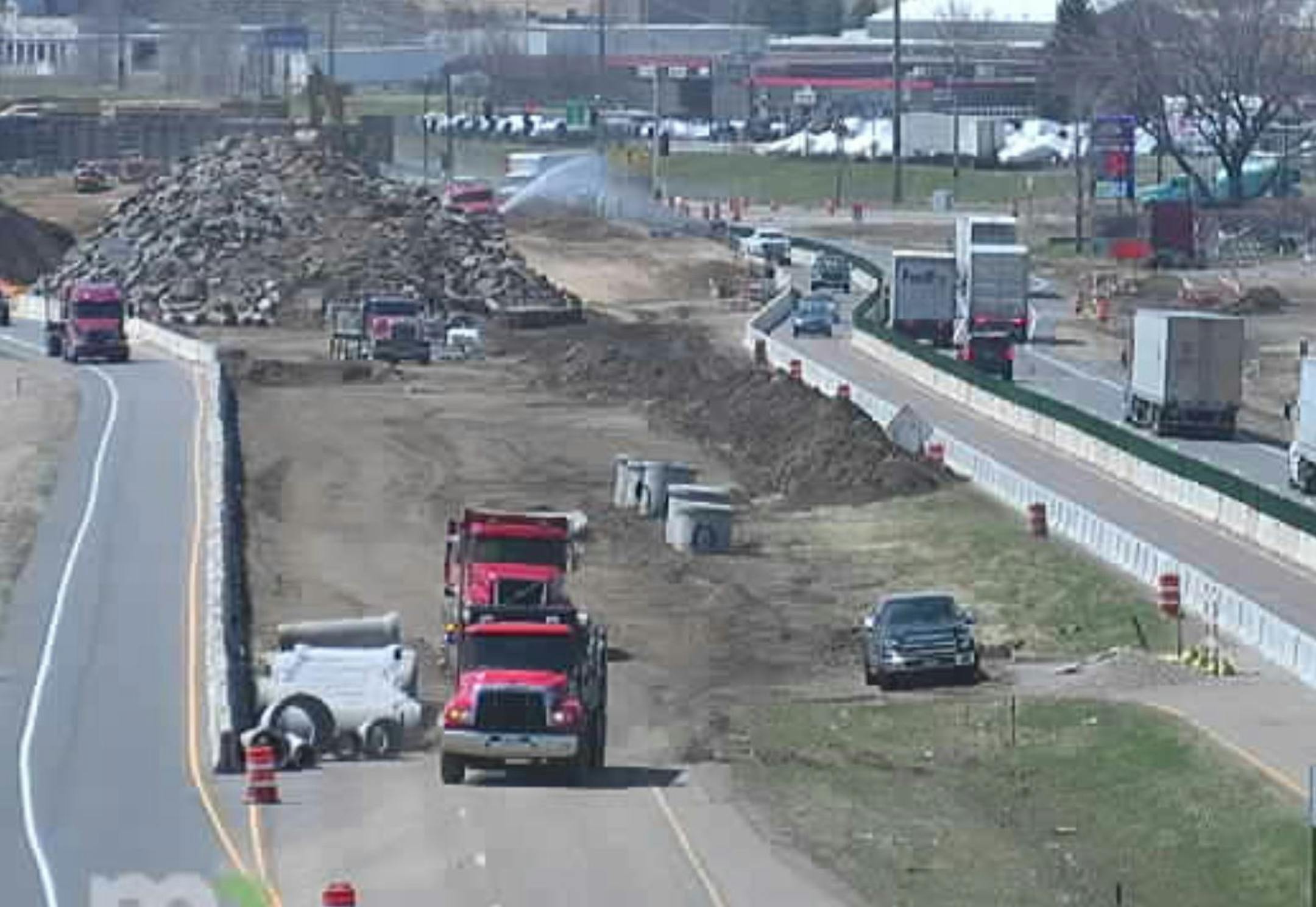
Drivers make their way through the construction zone on Hwy. 169 near Hwy. 41 south of Shakopee where MnDOT and Scott County are constructing a new interchange.
Drivers made their way through the construction zone on Hwy. 169 near Hwy. 41 south of Shakopee where MnDOT and Scott County are constructing a new interchange. (The Minnesota Star Tribune)

Traffic volumes have dropped by 50% or more since the coronavirus shut down schools and many businesses, and that has many drivers wondering why the Minnesota Department of Transportation isn't speeding up road construction.

"With people stuck at home due to COVID-19, why is road construction not going on 24/7?" a reader asked Curious Minnesota, our community reporting project fueled by questions from readers. "People could be back to work and projects completed sooner."

Oh, if it were only that simple, said MnDOT spokesman Mike Dougherty. There are many variables that dictate when a project can start, everything from scheduling contractors to the scope of the work and, of course, Minnesota's fickle spring weather.

MnDOT parlayed the traffic lull and good weather to get a jump on a major resurfacing of Hwy. 5 near Minneapolis-St. Paul International Airport. In Richfield, ramp repairs on I-35W started a week early. Reconstruction on Hwy. 61 through downtown Lake City started two weeks early.

"We are always looking for opportunities to minimize disruptions construction causes," he said.

But other complications have to be navigated, Dougherty said.

Contractors often carry out more than one project. They have to balance different starting times to have enough crew members and equipment to staff various stages of work. Construction has to be done in a sequence, Dougherty said. Lots of preparation work such as moving utilities and grading has to be done before concrete can be poured.

Like when building a house, "you don't send the painters in until the walls are up," he said.

With the state, counties and cities all needing projects, the starting times and demands of a project can be a challenge for contractors if a schedule changes, Dougherty said.

Ramsey County's two big-ticket items this year are building the Dale Street bridge over I-94 in St. Paul and completing the Rice Street overpass over I-694 in Little Canada. But Public Works is using the low traffic time to tackle street maintenance, necessary jobs that can bring lane closures or detours that can be irksome for motorists.

Crews recently cleaned out catch basins along University Avenue, a job that usually takes two months. Less traffic allowed the department to knock it out in two weeks, said Ted Schoenecker, director of Ramsey County Public Works.

"We don't have projects just sitting on the shelf," Schoenecker said. "We are working hard these days,"

Weather is a big wild card with construction, Dougherty said. The state imposes weight restrictions on highways during the spring freeze-thaw cycle when roads are susceptible to damage from heavy loads. That can affect a project's start, Dougherty said.

Weight restrictions were lifted for the metro and southern part of the state this month but remain in effect for central and northern Minnesota.

"Everybody would love to get going earlier," Dougherty said. "We are itching to get out there."

about the writer

about the writer

Tim Harlow

Reporter

Tim Harlow covers traffic and transportation issues in the Minneapolis-St. Paul area, and likes to get out of the office, even during rush hour. He also covers the suburbs in northern Hennepin and all of Anoka counties, plus breaking news and weather.

See Moreicon

More from Minnesota Star Tribune

See More
card image
J. SCOTT APPLEWHITE, ASSOCIATED PRESS/The Minnesota Star Tribune

The "winners" have all been Turkeys, no matter the honor's name.

In this photo taken Monday, March 6, 2017, in San Francisco, released confidential files by The University of California of a sexual misconduct case, like this one against UC Santa Cruz Latin Studies professor Hector Perla is shown. Perla was accused of raping a student during a wine-tasting outing in June 2015. Some of the files are so heavily redacted that on many pages no words are visible. Perla is one of 113 UC employees found to have violated the system's sexual misconduct policies in rece