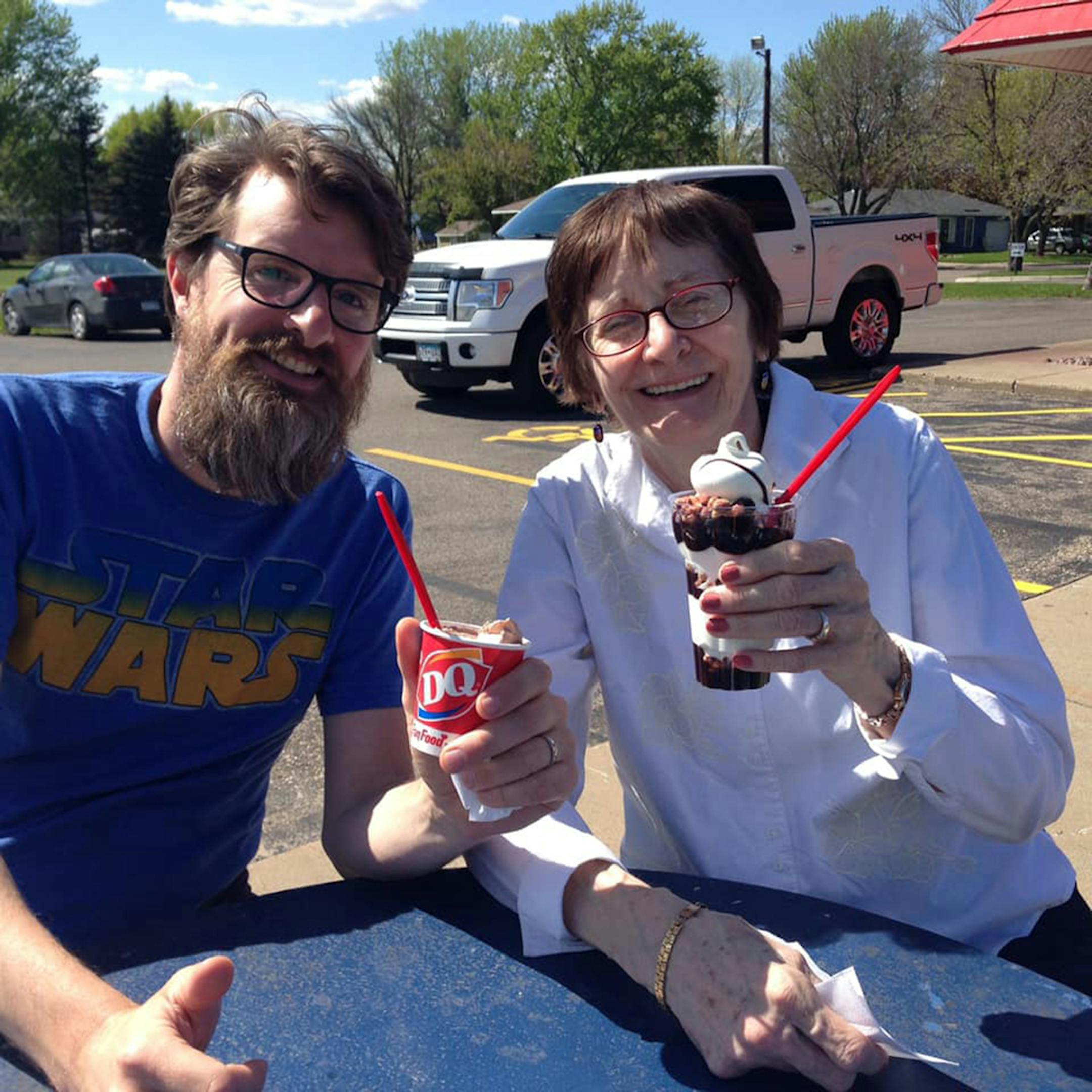
Mary Thomas died from Alzheimer’s disease last November, but her children decided to wait until spring to hold the 77-year-old’s memorial service, so far-flung family members could fly in from around the country.
But by then, the world had constricted.
“We had a meaningful service when our dad died in 2016, but we were held captive in that early stage of grief for Mom,” said her son Tony. “As time dragged on, we knew we needed something to mark that she was gone. But we didn’t know what or how to do it.”
It’s a dilemma facing countless Minnesota families that have lost a loved one during the pandemic.
Large gatherings — where anyone can pay their respects to the dead and show their support to survivors — aren’t possible and may even be dangerous. (Several funerals around the country have been identified as super-spreader events.)
Without the ability to stage a traditional funeral, families must decide whether to have a small service or a virtual service, or postpone gathering until after restrictions ease — whenever that might be.
In the best of times, planning a memorial service can be heart-rending, disorienting and confusing. It’s also essential.
“We need to grieve the loss so we can begin to find closure,” said Darlyne Erickson, executive director of the Minnesota Funeral Directors Association. “It’s natural for people to want to comfort one another.” Since the advent of COVID-19, “we have to be flexible to find ways to do that safely.”