

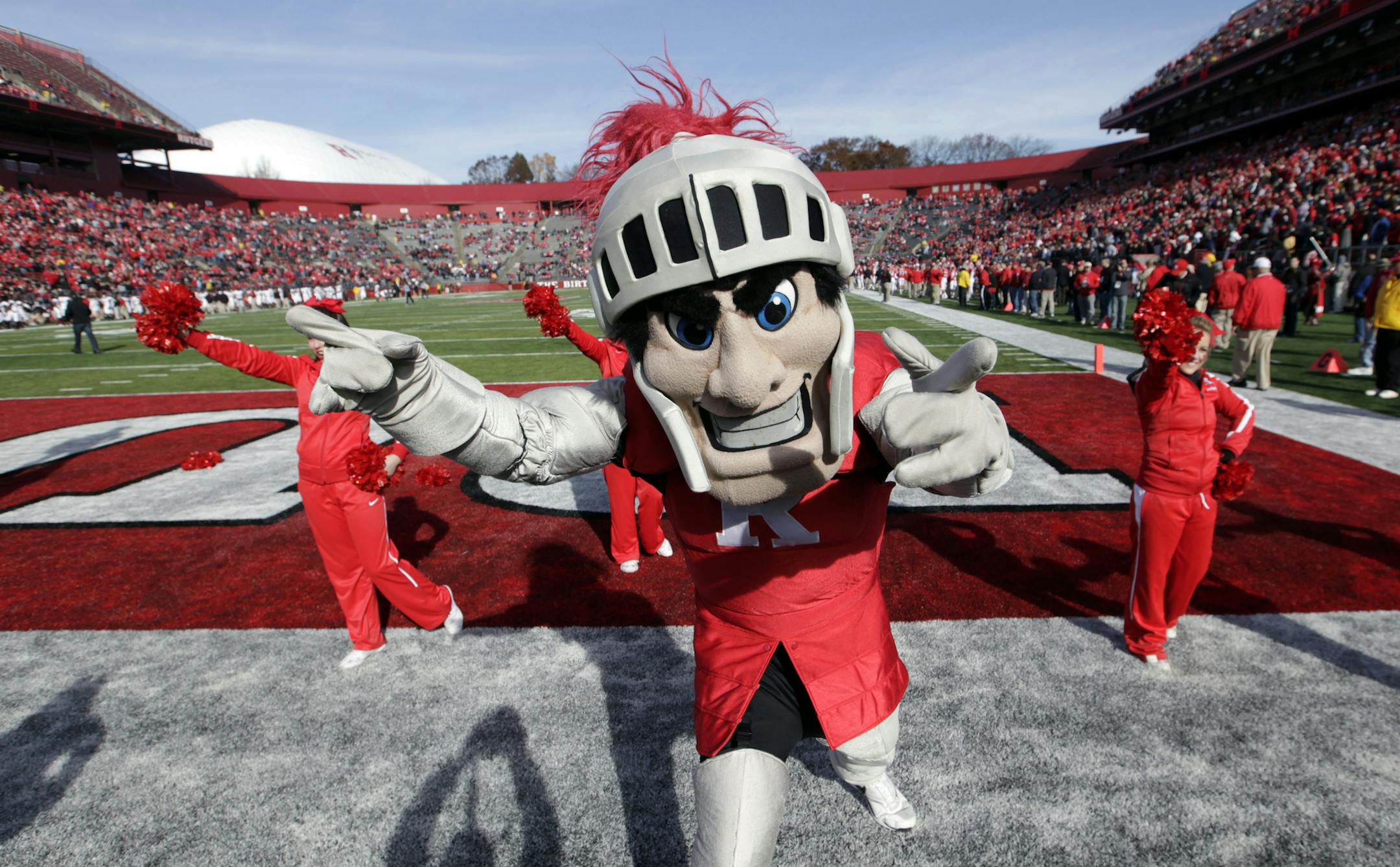
There's no turning back now. Maryland and Rutgers, as of today, are members of the Big Ten, stretching a conference long contained to the Midwest plains all the way to the Atlantic Ocean.
By expanding from 12 to 14 schools, the Big Ten gets bigger, but will this make the conference better? Will the massive television markets and expanded recruiting landscape outweigh any negatives that come along with two struggling athletic departments? Those are questions that will take years to answer, and conference Commissioner Jim Delany's legacy is riding on it.
"Our commissioner's a pretty smart man," Gophers football coach Jerry Kill said. "I think he's thinking outside the box. You think about the media markets, it's going to make it a national conference. Financially, it helps all the schools."
This move brings a local presence in both the New York and Baltimore/Washington D.C., media markets — Rutgers is in Piscataway, N.J., essentially a southwest New York City suburb, and Maryland is eight miles from D.C. in College Park. The Big Ten estimates that Minnesota and the other 11 members before this expansion will pull in $44.5 million in conference revenue sharing by 2018. That would be up from $27 million this year.
But unlike the Big Ten's two most recent expansions — Penn State in 1990 and Nebraska in 2011 — it's harder to make the case this one enhances the Big Ten brand, especially in big-revenue sports. Maryland went 13-24 in its past three football seasons. Its men's basketball team won the 2002 national title but hasn't made the NCAA tournament the past four seasons. Rutgers has sputtered in football since former coach Greg Schiano left for the NFL, and the men's basketball team hasn't reached the NCAA tournament since 1991.
Both athletics departments were hemorrhaging money and had recently cut sports before the Big Ten threw them a lifeline in the fall of 2012, responding to other shifts in the conference landscape. The Atlantic Coast Conference (ACC) had just added Syracuse and Pittsburgh, while convincing Notre Dame to join as a partial member. Delany had long coveted Notre Dame and knew he couldn't wait any longer. The Big Ten studied the population shifts and realized it was about to get dwarfed by other conferences.
"We had a choice of either staying pat, or being bold and aggressive moving forward," said Brad Traviolia, the Big Ten's deputy commissioner. "Given the choices, we felt we were at greater risk staying pat as 12 institutions.
"We felt we needed to expand and be active in two areas of the country. Both Maryland and Rutgers are quality institutions. We think it really benefits them, and we think the conference will benefit from their membership greatly."


