

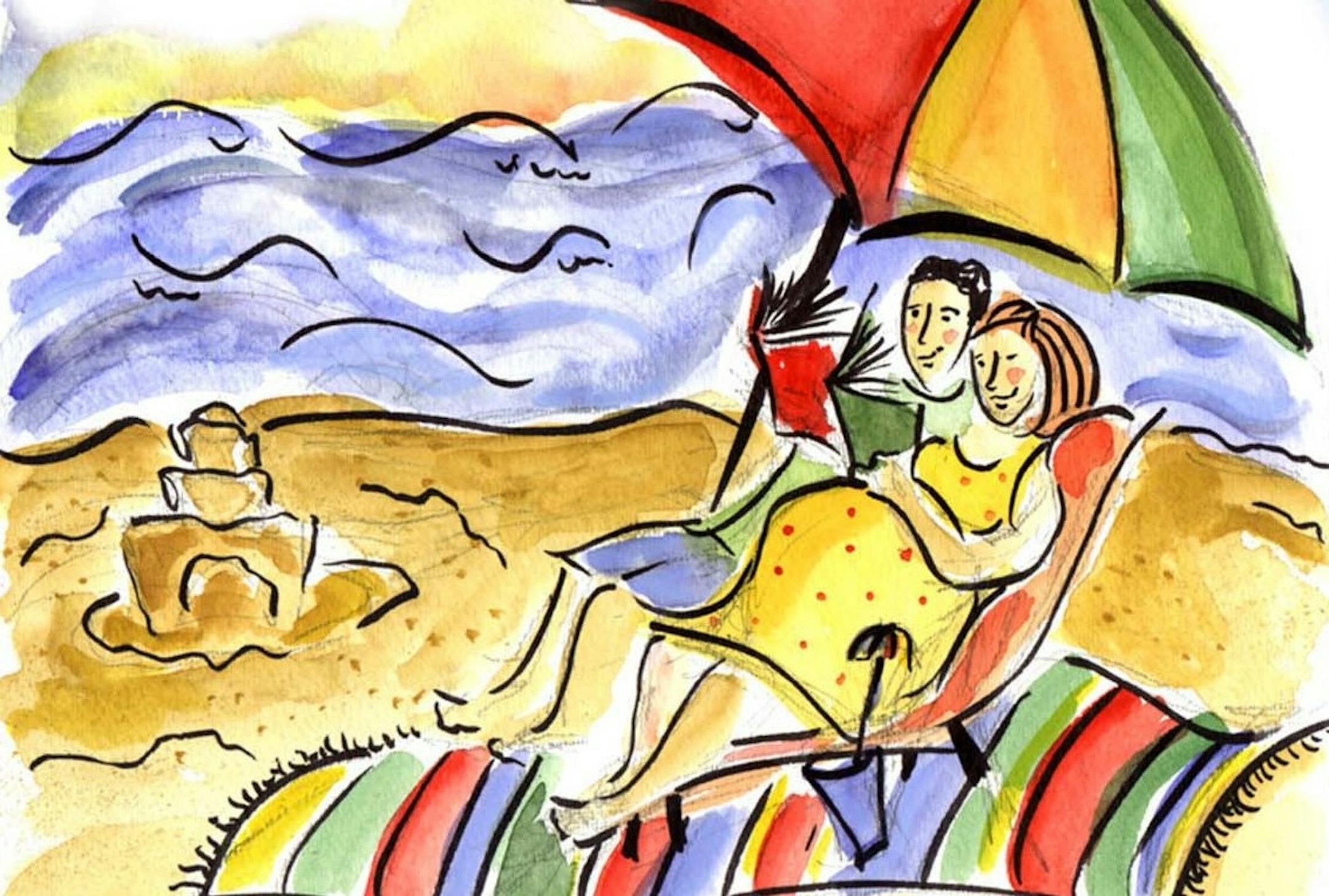
Of the many trends invented by the travel industry to pry dollars from our wallets — hello, staycation — one of the most popular in recent years has been the "babymoon."
Unlike a honeymoon, which, of course, happens just after the wedding, a babymoon occurs shortly before the big event. The theory is that a little person is about to thwart such previously known luxuries as sleep and travel, so why not treat that mama-to-be to a little getaway while a little getaway can still be had?
Voilà — babymoon!
I thought little of the concept until an obstetrician recently told me that he dissuades travel during pregnancy, especially to less-developed countries. (Though an all-inclusive resort in Mexico or the Dominican Republic doesn't quite count as the Third World, they still can be home to less developed health care.)
That doctor admitted that research does not support his opinion but said most forms of travel just aren't worth the risk associated with being away from your doctor or being exposed to unfamiliar germs. He said something about the fetus being too precious to expose to such risk.
It got me wondering: Does a babymoon really present risk? The answer is mostly no — but be smart about it, and do your research.
According to the American Congress of Obstetricians and Gynecologists (ACOG), travel does not present much risk to a typical pregnancy. But the ACOG does offer some recommendations, such as traveling during the second trimester ("Most common pregnancy emergencies usually happen in the first and third trimesters," its website says) and to tread carefully when heading to less developed countries ("The safest water to drink is tap water that has been boiled for one minute").
Ultimately, said Dr. Yalda Afshar of the Obstetrics and Gynecology Department at Cedars-Sinai Medical Center in Los Angeles, the risk facing a woman in the midst of a healthy pregnancy isn't much different from the risk for someone who isn't pregnant.


