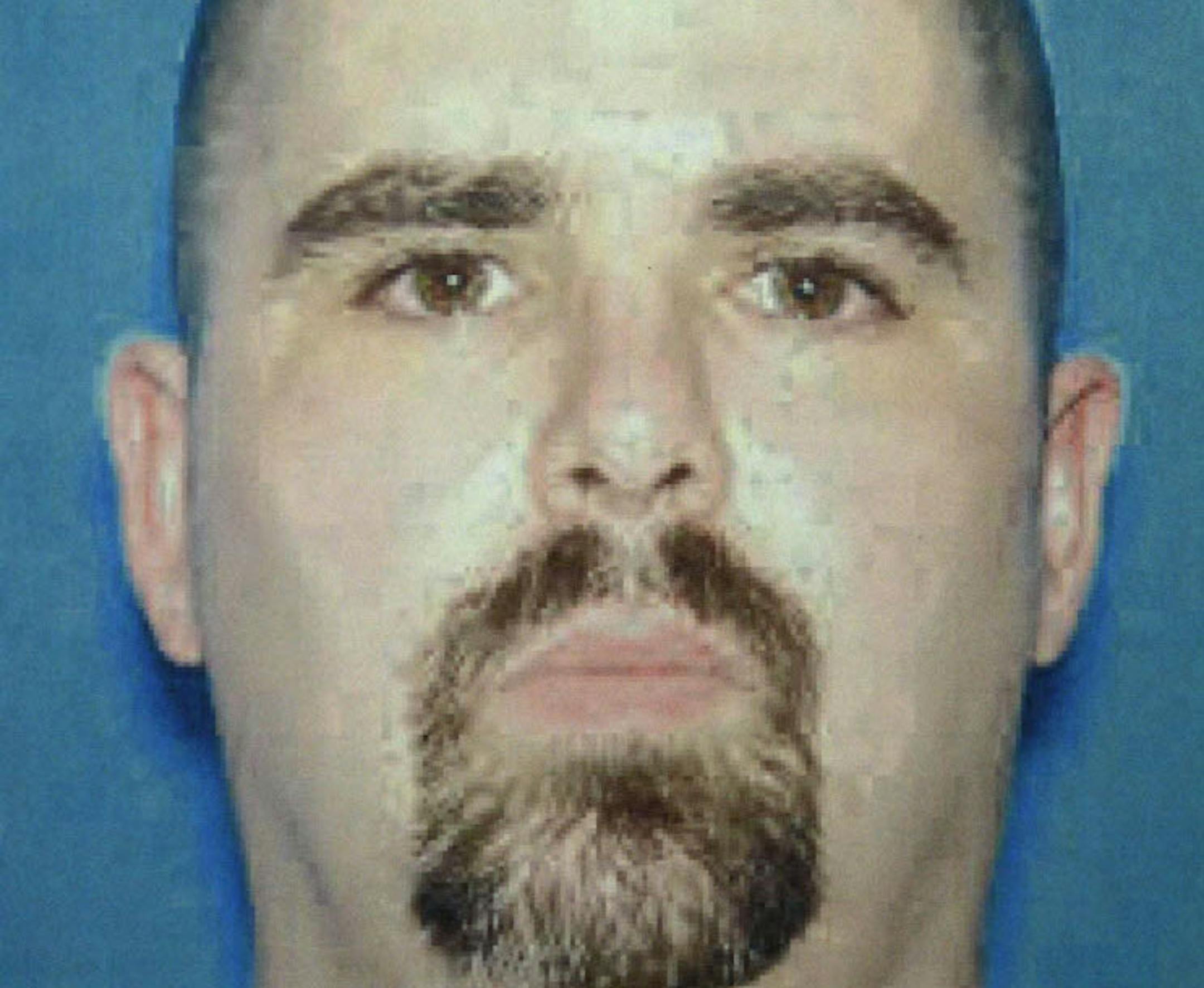
His music, Wade Michael Page once said, was about "how the value of human life has been degraded by tyranny."
But on Sunday, Page, an Army veteran and rock singer whose bands specialized in the lyrics of hate, coldly took the lives of six people and wounded three others when he opened fire with a 9-millimeter semiautomatic handgun in a Sikh temple in Oak Creek, Wis., the police said. Then Page was shot to death by officers.
To some who track the movements of white supremacist groups, the violence was not a total surprise. Page, 40, had long been among the hundreds of names on the radar of organizations monitored by the Southern Poverty Law Center because of his ties to the white supremacist movement and his role as the leader of a white-power band called End Apathy. The authorities have said they are treating the shooting as an act of domestic terrorism.
In Oak Creek and in nearby Cudahy, south of Milwaukee, where Page lived in the days before the attack, the magnitude and the nature of what had happened were only beginning to sink in, grief competing with outrage. A company flew its flag at half-staff. A Christian minister offered his parishioners' help getting to a Sikh gathering at the Salvation Army.
At a news conference on Monday, Teresa Carlson, a special agent for the FBI, which is leading the investigation, said, "We don't have any reason to believe that there was anyone else" involved in the crime. Law enforcement officials said earlier Monday they wanted to speak with a "person of interest" who was at the temple on Sunday, but by late afternoon they had ruled out any connection between him and the shooting.
Oak Creek Police Chief John Edwards identified the five men and one woman who died at the Sikh Temple of Wisconsin: Sita Singh, 41; Ranjit Singh, 49; Prakash Singh, 39; Paramjit Kaur, 41; Suveg Singh, 84; and Satwant Singh Kaleka, 65, who was the center's president.
Peter Hoyt, 53, a neighbor of Page's in Cudahy who often stopped to chat with him during morning walks, said he was "stunned" that the man he had known could have done something so violent. Page, he said, told him that he had broken up with a girlfriend in early June.
"He didn't seem like he was visibly upset," Hoyt said about the breakup. "He didn't seem angry. He seemed more emotionally upset. He wasn't mad. He was hurt."