

Opinion editor's note: Star Tribune Opinion publishes a mix of national and local commentaries online and in print each day. To contribute, click here.
•••
For a little while this year, it looked as though Wisconsin voters had finally broken out of the straitjacket of minority rule in their state. The key to their freedom was an April state Supreme Court election that, turning on the intertwined issues of abortion and gerrymandering, flipped control of the bench from conservatives to liberals.
Since 2011, Wisconsin Republicans have manipulated electoral maps to lock in their legislative dominance, even when a majority of voters chose Democratic candidates. Their grip on the state Legislature has made it impossible to repeal an unpopular 1849 law banning almost all abortions, which went into effect after the U.S. Supreme Court overturned Roe v. Wade. The state Supreme Court election, which turned into the most expensive such race in history, offered voters a singular chance to make their state's politics more democratic.
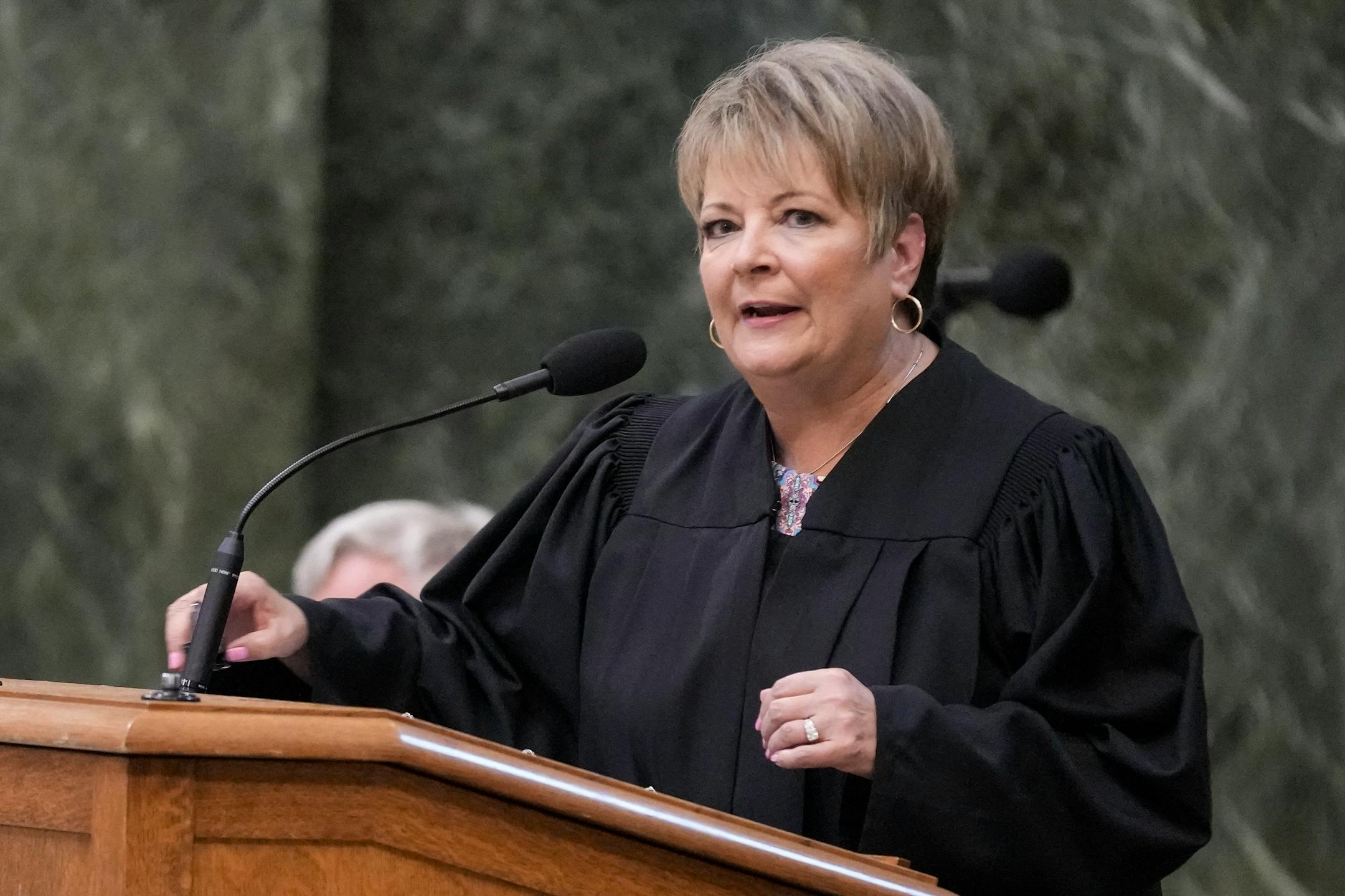
Janet Protasiewicz, the left-leaning candidate in the nonpartisan contest, was careful not to declare how she would rule in specific cases, but she said that she was personally pro-choice and that she wanted to take a fresh look at the state's "rigged" electoral maps. She won by 11 points, about as near to a landslide as anyone in closely divided Wisconsin is likely to get. The voters' message couldn't have been clearer.
But Wisconsin Republicans may have one move left to thwart their inconvenient citizenry. It looks increasingly likely that they could use their nearly impregnable majority to impeach Protasiewicz before she's heard a single case. "Anyone who cares about democracy should consider this threat to be deadly serious," said Ben Wikler, the chair of the Democratic Party of Wisconsin. The only way to head off this autocratic power play, he said, "is if there's a massive uproar that drowns out the voices of election overturners and Constitution shredders."
The pretext for impeaching Protasiewicz is that she won't agree to recuse herself from redistricting cases, given her campaign comments about the state's unfair maps, and the $10 million that the Democratic Party put into her race. This is, to put it mildly, a flimsy rationale. Wisconsin's Judicial Commission has already dismissed a complaint that she violated court strictures by weighing in on contentious issues that might come before her as a judge. And the conservative majority on Wisconsin's Supreme Court adopted a rule in 2009 that justices did not need to recuse themselves from hearing cases involving their campaign donors.
If Republicans move ahead with this impeachment, it will be for one reason only: because they think they can. "Republicans feel deeply entitled to their gerrymandered majority," said Charlie Sykes, once a powerful right-wing radio host in Wisconsin and now a founder of the Never Trump conservative publication the Bulwark. "For them, this is an existential issue."


