

Many of us cling to the idea of the American robin as spring's ambassador, arriving in early March to "chirrup-chirrup" that warm weather, and millions of other birds, are on their way.
Truth to tell, there are other birds that are more reliable harbingers of spring, since robins traditionally aren't the earliest returnees. And, with more and more robins spending the winter in our area these days, it's becoming less unusual to see one -- or a flock -- in March.
A surer bird-world signal that winter is waning is an overhead flock of snow geese or tundra swans, on their way to breeding grounds in the high Arctic. They may be thousands of feet in the air, so you might not spot their long V formations but it's thrilling to catch their high-pitched calls all the same.
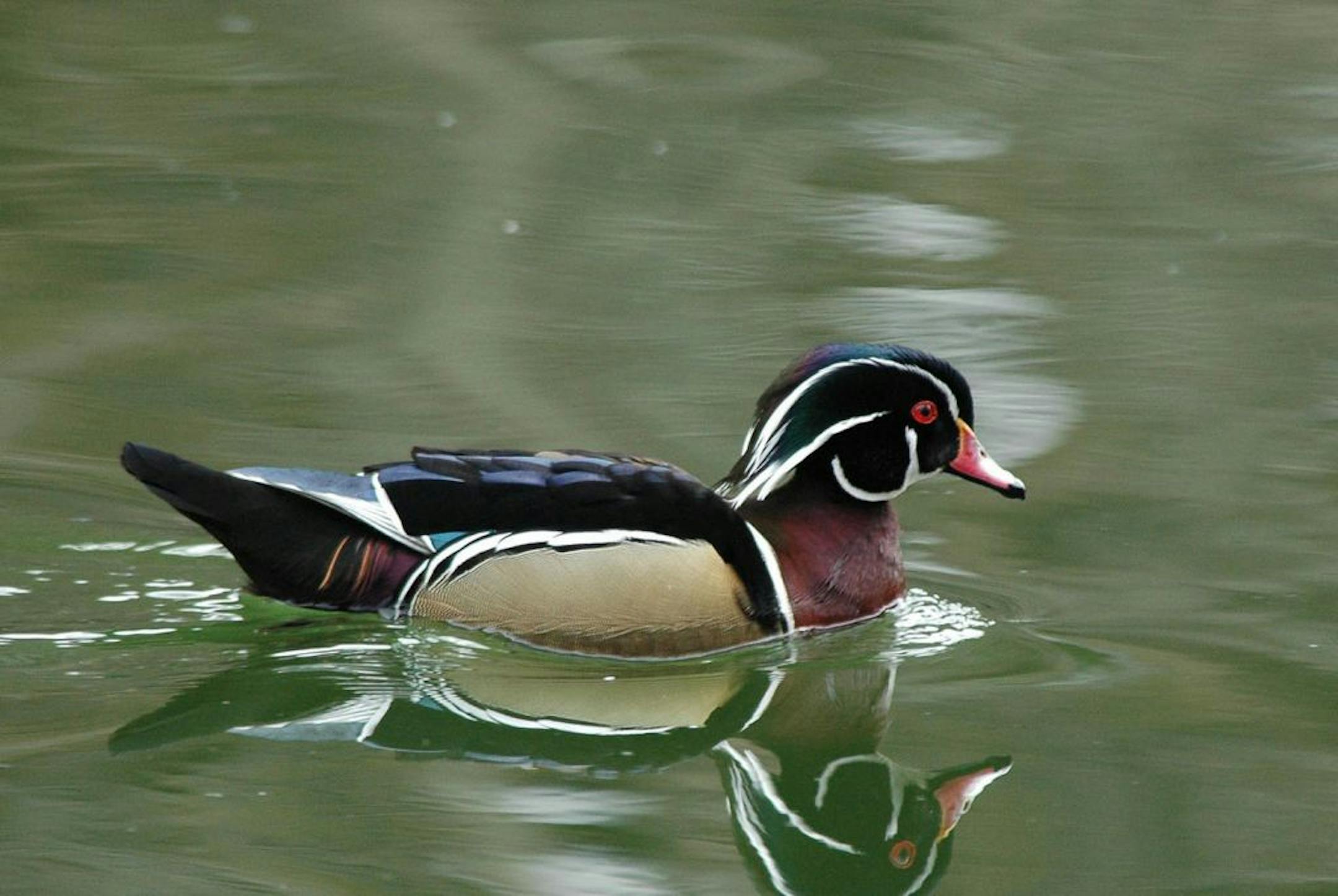
Wood ducks return to local lakes early each March and it's always exciting to see them. Field guides just don't do these water birds justice -- the males are egregiously gorgeous, much handsomer than any other wild duck. If lakes are still locked in ice, wood ducks stack up in shoreline trees and gobble desiccated crabapples as they wait for ice-out.
Bufflehead -- small, black and white diving ducks that bob like corks on the water -- are another early returnee to city lakes.
Kestrels and killdeer
The small, speedy falcon known as the kestrel returns from the South in early spring. You might spot one perched on a utility wire, and if it's near a marsh, look for red-winged blackbirds, whose "chink-a-ree" calls announce ownership of a patch of cattails even while snow covers the ground. And that "p-tew" call from a park or golf course is a signal that a killdeer has returned.
Turkey vultures may have few fans, but the graceful, dark birds are already soaring over river valleys in the southern part of the state. These scavengers will soon reach our area, too, wheeling overhead throughout the day in their characteristic "tippy" flight. Vultures' highly developed sense of smell draws them to carrion, even if it's hidden under the forest canopy.


