

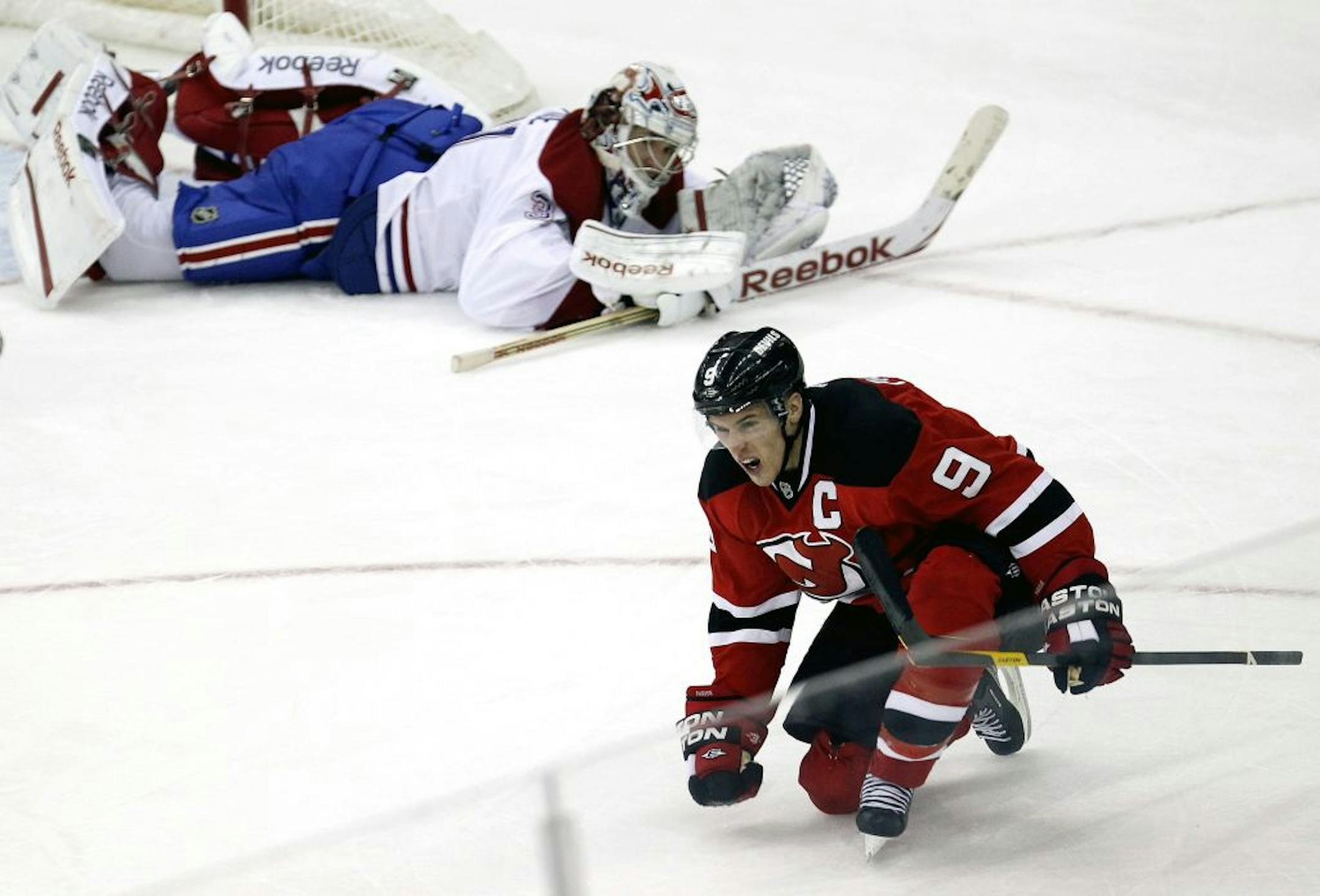
Now that the Minnesota Wild has landed marquee free agents Zach Parise and Ryan Suter, the team's next big challenge awaits: trying to recoup its $196 million investment.
While the rush to buy jerseys and the uptick in season ticket sales is a good omen, the more important goal is sustaining fan interest into the winter and translating it into revenue through higher television ratings, corporate sponsorships and a National Hockey League playoff run next spring.
Even a first-round playoff series -- the team has not made the postseason in four years -- is a moneymaker. Tickets sell for up to 25 percent more, said Matt Majka, the Wild's chief operating officer. The deeper a team goes into the playoffs, the more beer, hot dogs and commemorative T-shirts get sold. Majka said a playoff run, even one that does not yield a Stanley Cup, "can be a difference-maker" in a team's year-end revenue picture.
"We've been in a valley recently as an organization," Majka said. But corporate partners and sponsors, he said, are "going to be more willing to take our phone calls [than] they were last week because this makes a difference to them, as well."
John Solow, who heads the University of Iowa's economics department and has written on the economics of sports, said that making the playoffs is "gravy" for NHL teams in terms of revenue. But Solow said that in the United States the overriding goal for pro sports team owners is to make money. In Europe, he said, some owners spend money to buy a winning team without making an equal priority of the "hot dogs, or beer sold at the game, or broadcast rights.
"In the United States, we tend to think much more that it's about making a profit," he said. "In that world, you would only make these commitments" to guaranteed contracts for Parise and Suter "if you thought that it would bring in enough extra bucks."
The focus on profits can, at times, make the illogical logical. NHL and NBC-TV executives hailed this year's playoffs a success -- even though television ratings, according to the Sports Business Journal, were down 33 percent for the Stanley Cup final, the best-of-seven championship series. The reason for the optimism: Every playoff game was televised in its entirety for the first time, so sponsorships and advertising revenue were up simply because more games were broadcast.
Sponsorship is valued


