Q What types of owls can be seen in Minnesota this time of year?
A Our state is rich in owls. In early April, you have a chance of seeing 10 species of owls in Minnesota.
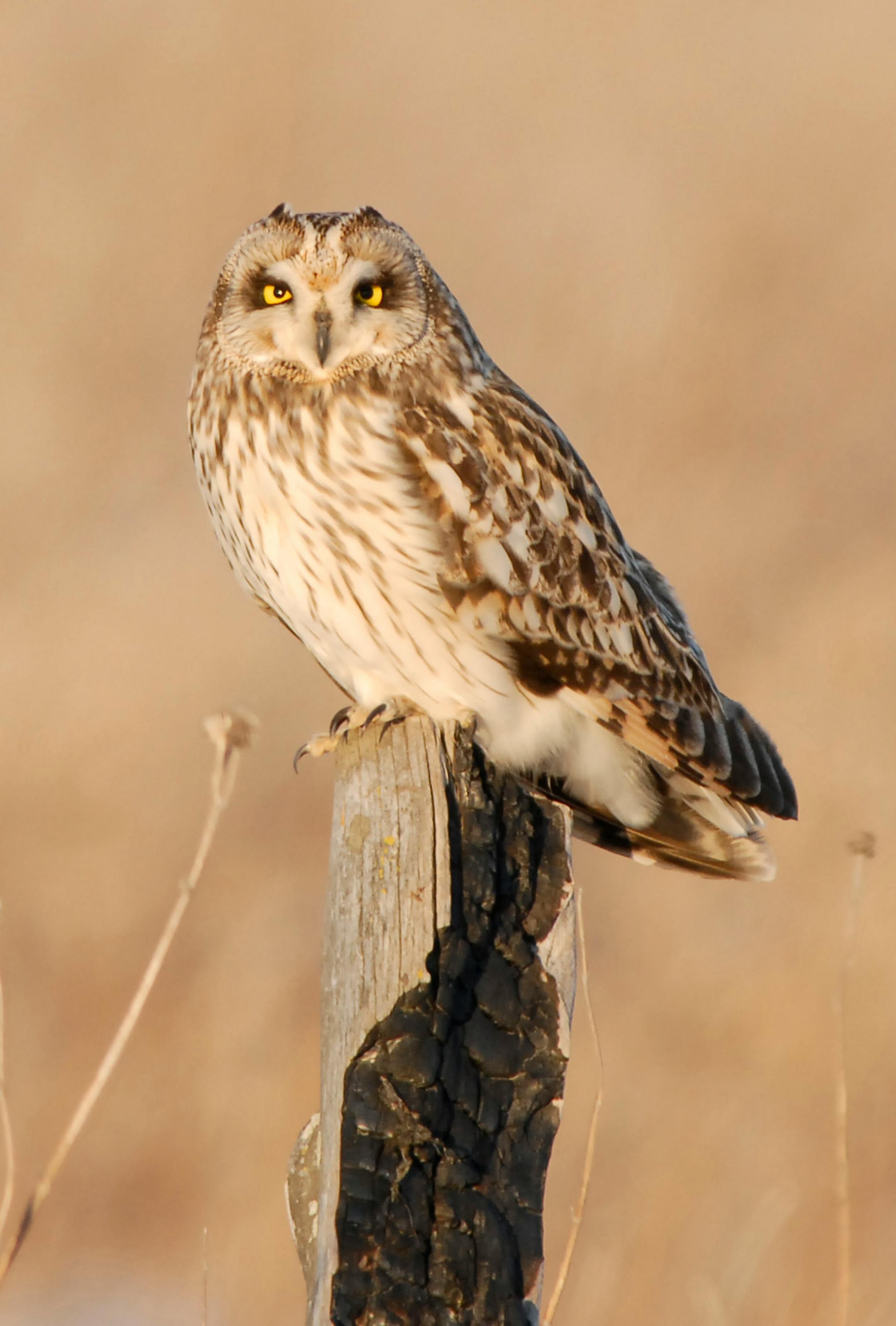
Long-eared, short-eared, Northern saw-whet, snowy, great horned, great gray, barred, boreal, northern hawk and Eastern screech-owls can each be seen or heard somewhere in the state -- if you know what they look like, where to look, what habitat they frequent and what calls they make.
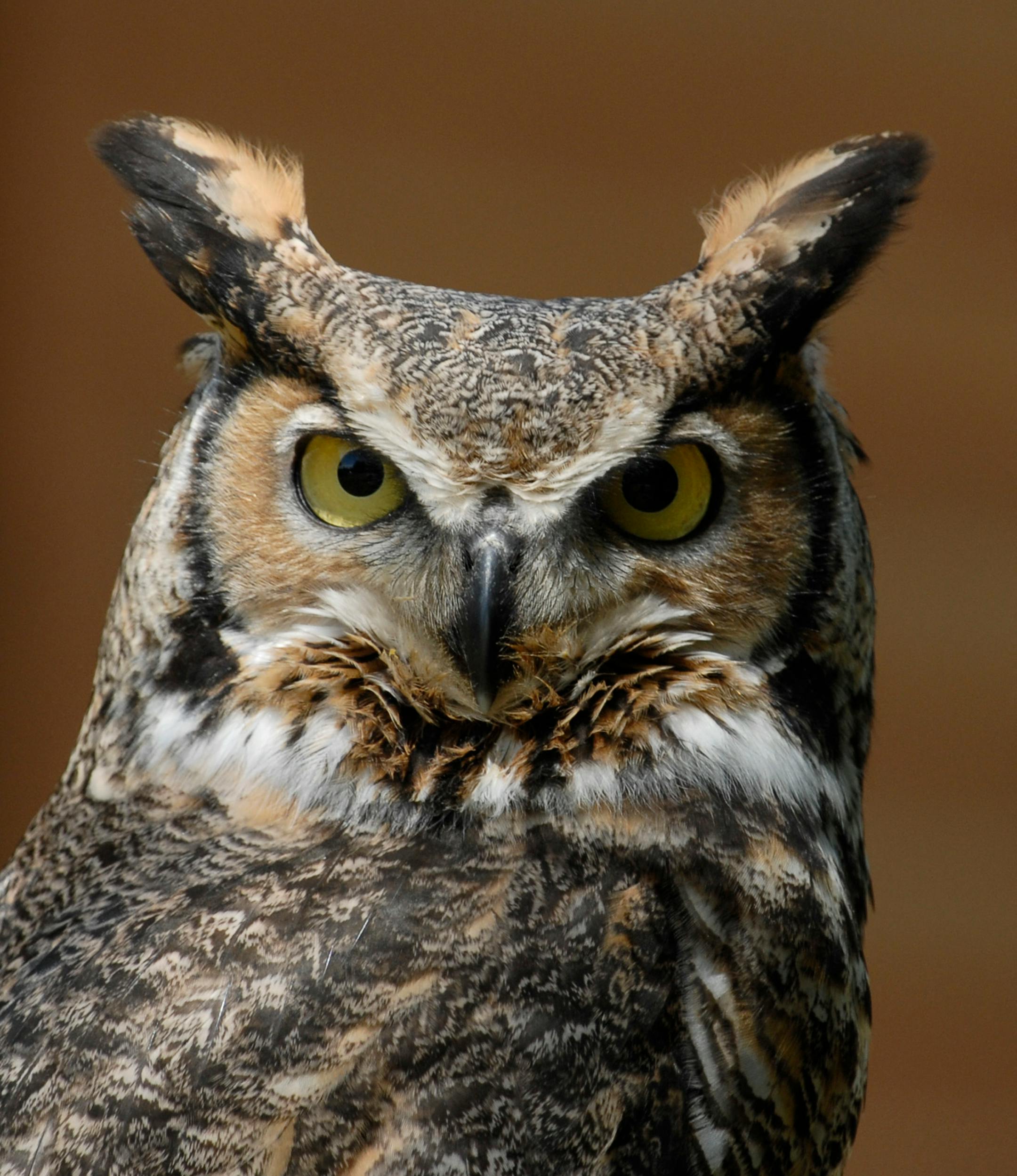
Great horned owls and Eastern screech-owls are the two owls with "ears" that are commonly seen in the Twin Cities. The huge, great horned owl should be on the nest now. Look for their big Batman-style ears sticking up from a platform nest high in the fork of a large tree. This time of year, you can hear great horneds singing their five-hoot duets.
The small Eastern screech-owl can sometimes be seen peering out of a wood duck box. Small birds often flock to their eerie calls -- a high-pitched quavering.
Barred owls have an affinity for water, so they often can be seen or heard near lakes or marshes. Not quite as large as the great horned, the barred owl can be distinguished by its round head (without "ears") and dark eyes. The barred owl is known for its common eight-hoot "who-cooks-for-you, who-cooks-for-you-all" call, but it also makes some of nature's strangest sounds: wild caterwauling and screaming during spring mating.
Snowy owls, the big white owl that gained fame in the Harry Potter movies, can be seen in winter throughout Minnesota on open fields, frozen lakes and airports. But because they don't nest here, they'll soon be departing for the treeless tundra where they make their home.
In northern Minnesota, you can find the tiny Northern saw-whet owl engaged in endlessly whistled "tooting" at night on its territory, which is most commonly areas with mixed aspen-coniferous forest. You also may find boreal owls, another cavity nester, in these areas. Saw-whets sometimes can be found nesting as far south as the Twin Cities, while the boreal owl, which is sporadic and rare as a nesting bird, is found only in the northern counties.