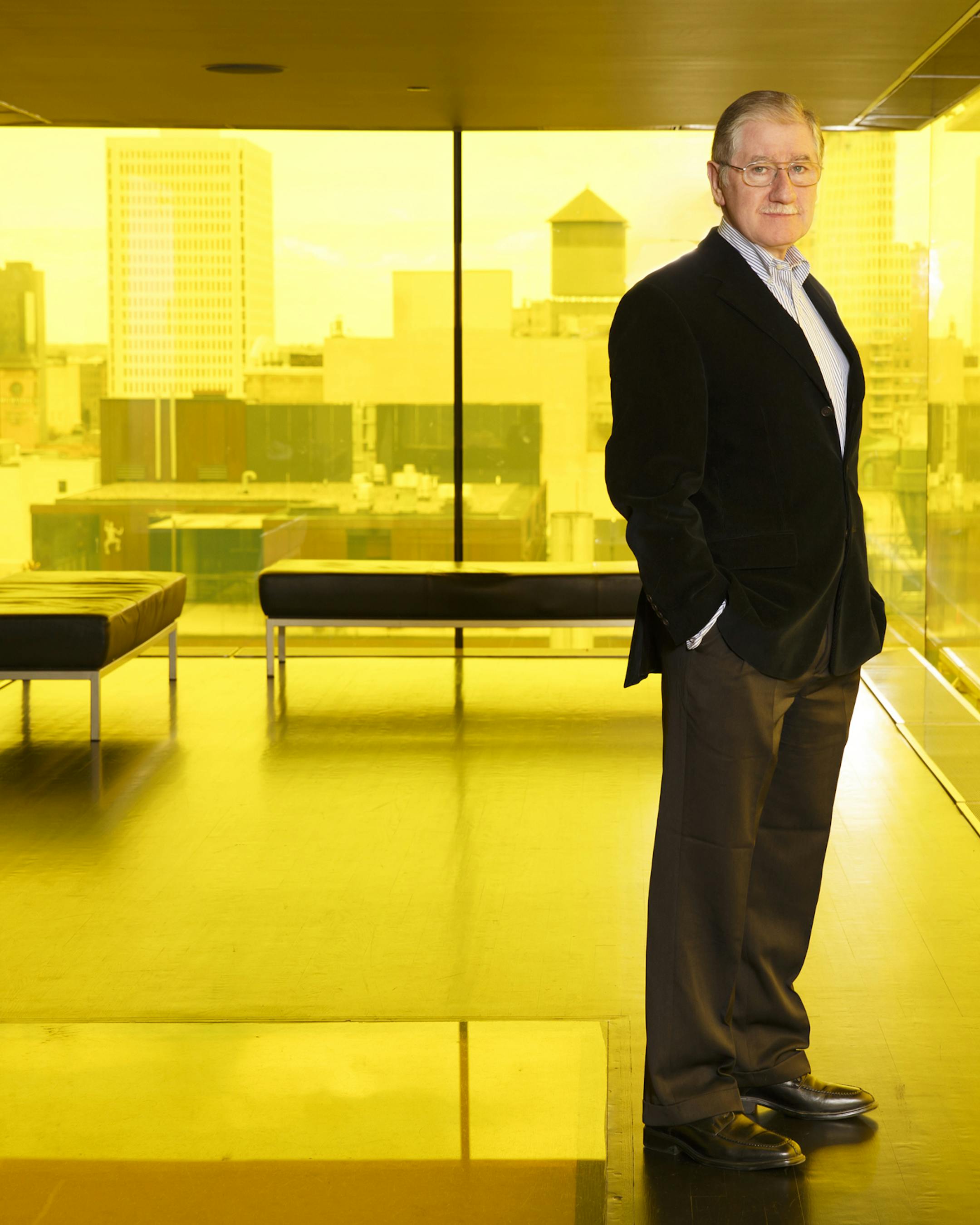
For several weeks, Guthrie Theater board members have been on their phones, seeking input about the biggest decision these trustees will ever make: Who should lead the Guthrie after Joe Dowling's 20-year tenure concludes next June?
Even one year out, the theater community is buzzing like a high school lunchroom about who the board should, and will, select.
Dowling's consolidation of leadership and the Guthrie's expanded mission raise the stakes.
"The Guthrie is more than a stage," said Patricia Simmons, who heads the board's search committee. "It must be seen as a vibrant center in the community. There are restaurants, public spaces, meeting locations. Things happen here beyond theater."
When Dowling was hired in 1995, the Guthrie consisted of a main stage housed next to Walker Art Center and a small satellite stage. With the opening of a blue-metal, $125 million complex in 2006, the Guthrie became a town square.
One of Minnesota's top three arts organizations, the theater can employ up to 500 people (including artists) on an annual budget of $27 million. The three stages give the Guthrie one of the highest seating capacities of any U.S. nonprofit theater — creating pressure to sell lots of tickets and also push the art form forward.
"They have to balance the question of money and a large business with the interest in having a dynamic artistry," said Lisa Peterson, who has directed several Guthrie shows. "I would hope the future can hold both those things."
That art-and-commerce duality raises a central question: Is the job too big for one person? Why is the Guthrie perhaps the only regional theater in the nation that eschews the model of an artistic director working alongside an executive director?