

WASHINGTON — Through emails, tweets and doughnuts, the two dueling acting directors battled Monday for control of the Consumer Financial Protection Bureau, nation's top financial watchdog agency.
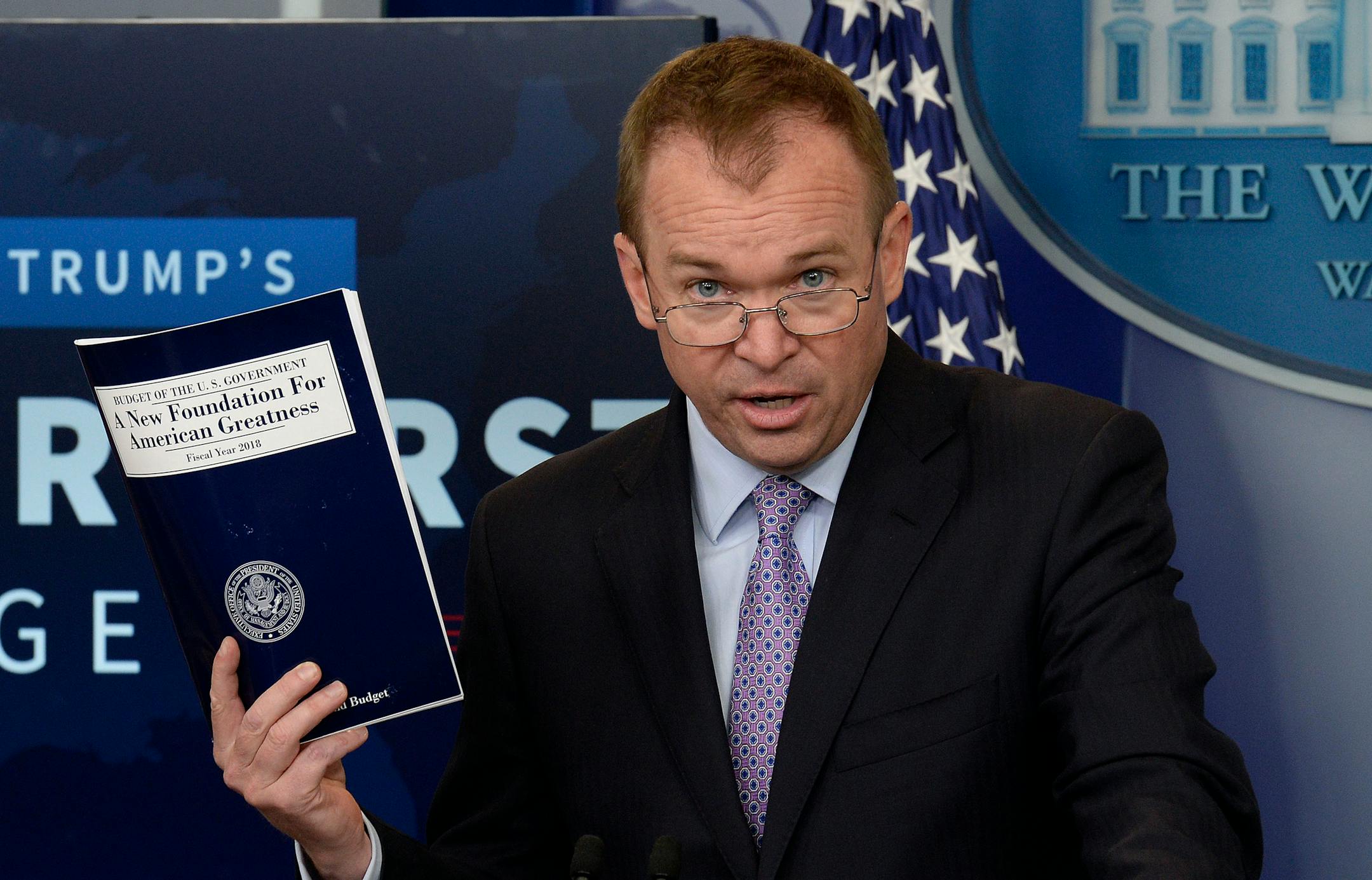
Leandra English, who was elevated to interim director of the bureau late last week by its outgoing director, sent staff an email offering Thanksgiving wishes. Meanwhile President Donald Trump's choice for the role — White House budget director Mick Mulvaney — then emailed staff to tell them to "disregard" any instructions from English.
Laying down markers in what has quickly become a war of optics, both signed their missives "Acting Director."
While the atmosphere at the CFPB may seem like routine Washington theatrics, which person will run this agency for the coming days, weeks or possibly months will have a real impact on banks and other financial companies and their customers.
English has asked a judge to issue a temporary restraining order to block Mulvaney from taking over the bureau. She cited the Dodd-Frank Act, which created the Consumer Financial Protection Bureau. She said that as deputy director, she became the acting director under the law and argued that the federal law the White House contends supports Trump's appointment of Mulvaney doesn't apply when another statute designates a successor. The case, at the U.S. District Court of Washington, D.C., is being handled by Judge Timothy Kelly, a Trump appointee approved by the Senate recently.
English was promoted to chief of staff to deputy director by Richard Cordray as he prepared to resign last Friday.
The Trump administration defended its position in a court brief filed near midnight Monday.
It said that both the Justice Department's Office of Legal Counsel and the general counsel of the CFPB "agree that the President of the United States lawfully designated John M. Mulvaney as the CFPB's Acting Director pursuant to the VRA (Vacancies Reform Act).


