

Change surged through the Twin Cities visual art scene this year as dramatically as the tsunami that transformed the nation's political landscape.
New directors swept into the Minneapolis Institute of Arts and Walker Art Center, bringing new staff and fresh ideas. Two longtime organizations folded even as a third began renovations of new quarters. The gallery scene held steady through mid-year but began to quake in November when the market essentially dried up, as several art dealers have admitted privately.
And through it all, careers sizzled and fizzled, exhibitions came and went, and artists went on making art whether anyone wanted it or not. Hope springs eternal.
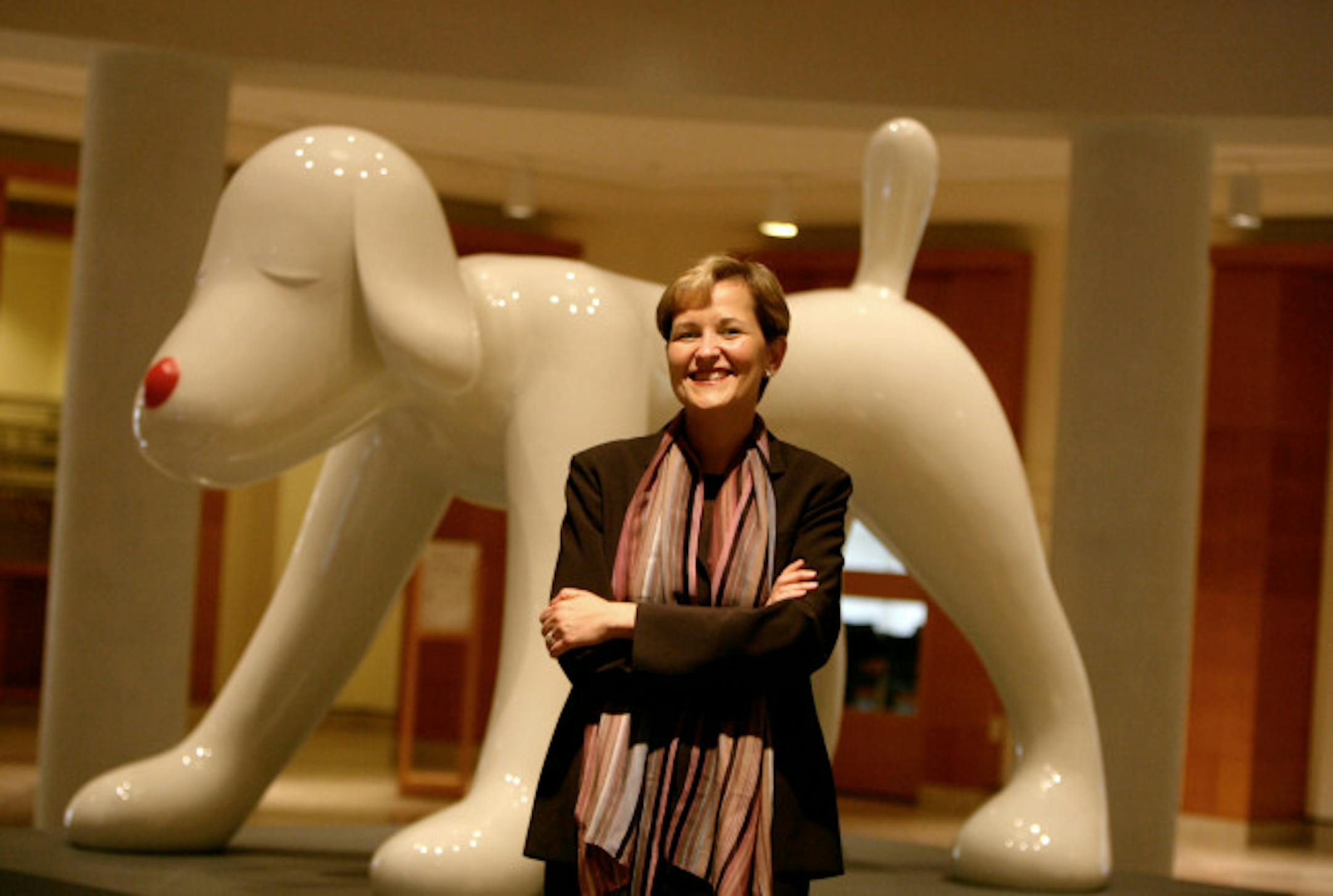
Nothing in recent decades has shaken up the Minneapolis Institute of Arts as much as January's arrival of new director Kaywin Feldman.
Fresh from the comparatively tiny Memphis Brooks Museum of Art in Tennessee, Feldman was underestimated by some staff members and local museum watchers who presumed her quiet demeanor masked someone who could be easily manipulated or bamboozled. Wrong. Within six weeks Feldman reorganized the museum's administrative structure, which had devolved into a Byzantine labyrinth of competing fiefdoms and opaque decision-making. While the plan was drafted by her predecessor, William Griswold, who left to be director of the J.P. Morgan Museum and Library in New York City, executing it required a decisive temperament and willingness to ruffle feathers by promoting and reassigning long-serving curators and staffers.
Next she began filling vacant posts in the curatorial staff, which had been decimated by retirement, death and departures for other jobs. By year's end she had snared impressive scholars from Brussels, Los Angeles, Boston and New York to head the departments of African and contemporary art, prints and photography.
In midsummer she calmed Minnesota artists angered by the abrupt resignation of Stewart Turnquist, coordinator of the popular Minnesota Artists Exhibition Program. In September she announced that the museum would host "The Louvre and the Masterpiece" next October, a show from the Paris museum including a Vermeer painting never previously shown in North America. And in October she concluded a decade-long legal wrangle by returning a $2.8 million painting to the heirs of a French collector from whom it had been stolen by the Nazis during World War II.
Many a museum director would be exhausted by half those tasks, but Feldman handled the whirlwind pace with aplomb.


