Television critic Neal Justin has infiltrated Kiefer Sutherland's "24" headquarters. Music critic Jon Bream has chatted up Bob Dylan backstage at the Grammys. But not everyone taking a trip to Los Angeles ranks a private audience. It's tricky enough just catching a glimpse of a celebrity so you can brag about it back home. Fortunately, Justin and Bream know just where to catch some stardust. Bream hits the new Grammy Museum, which celebrates award-winning musicians (and let's you play like you're one, too) and Justin brings us to five Hollywood studios where you can walk in actors' footsteps (or maybe run into one)
Grammy Museum: Sounding off in downtown L.A.
By Jon Bream
America's two most celebrated music museums are iconic edifices that stand out like Dolly Parton at a convent. That's why music fans ogle the architecture when they go to the I.M. Pei-designed Rock and Roll Hall of Fame in Cleveland or Frank Gehry's Experience Music Project in Seattle.
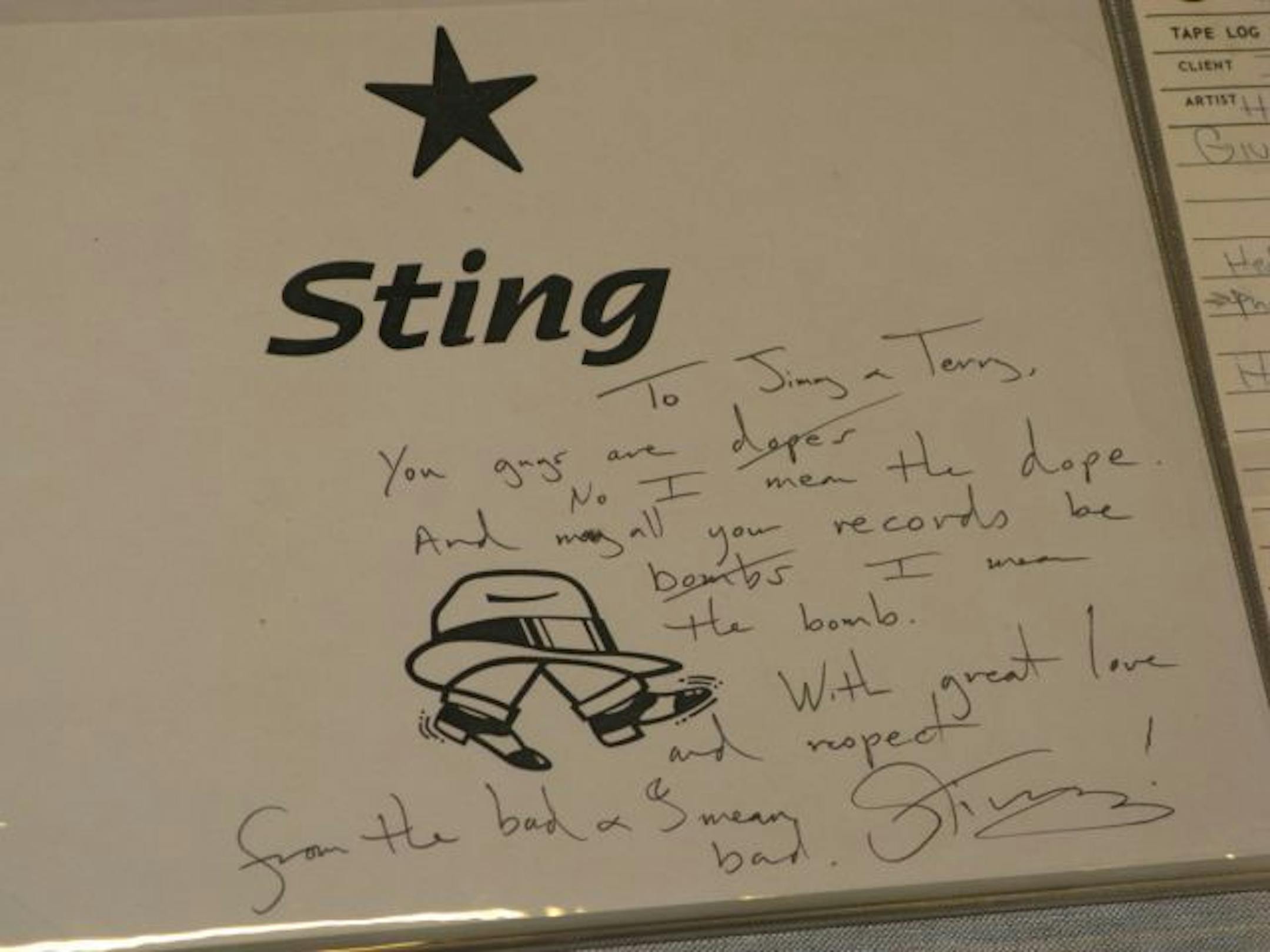
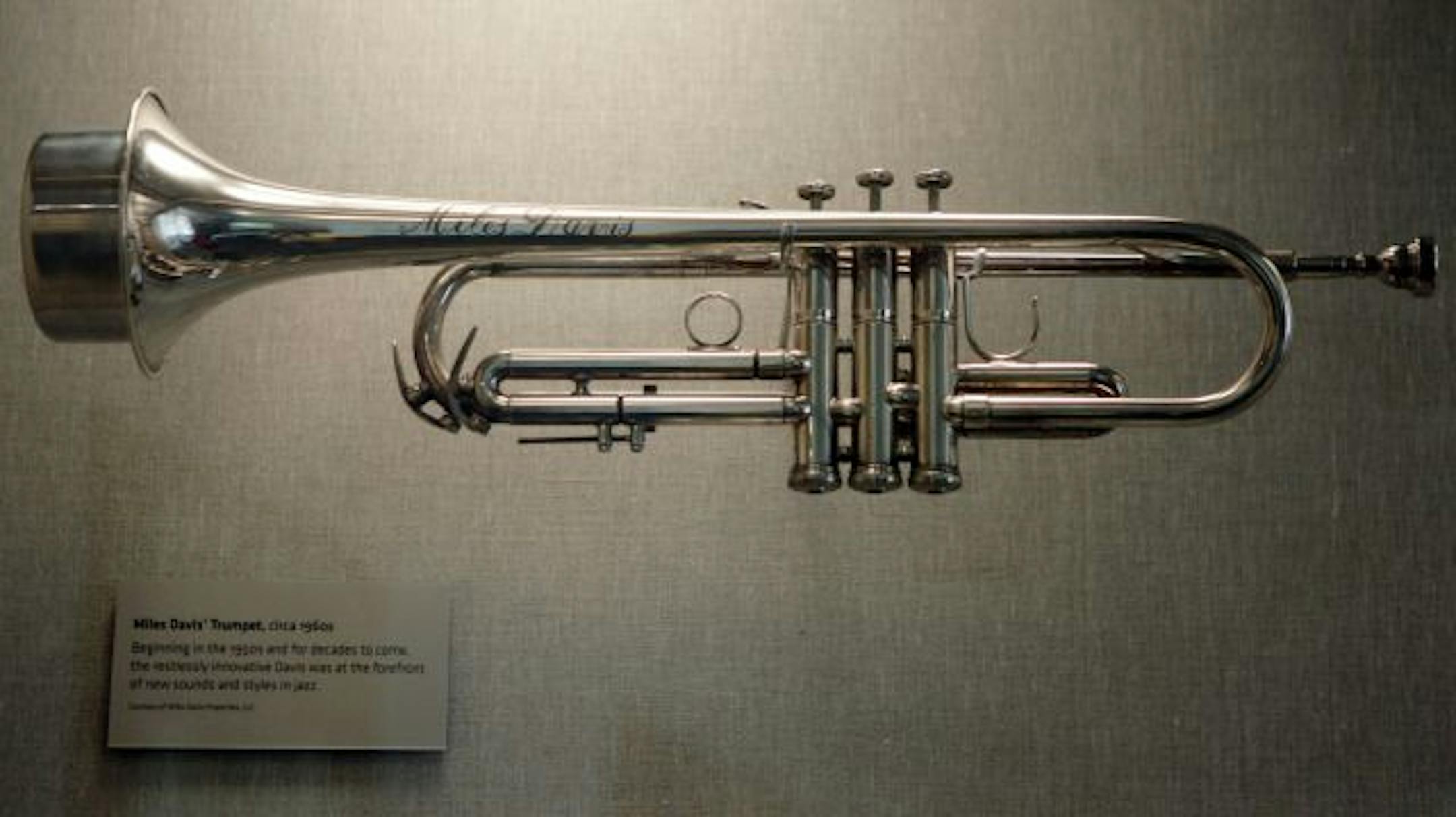
The country's newest music shrine -- the Grammy Museum, which opened in December -- fits in downtown Los Angeles like another cowboy hat in Nashville. Music fans won't care about the facade of this faceless four-story tower, but they will appreciate what's inside: cool artifacts (ranging from a 1955 handwritten Elvis Presley letter to a lovestruck fan to Jennifer Lopez's infamously revealing green Grammy gown), priceless live lecture/demonstrations (Brian Wilson, Annie Lennox) and enlightening exhibits (from the current Songs of Conscience, Sounds of Freedom to the permanent interactive walk-through-the-recording-process booths).
There is only one unusual design element about this new 32,000-square-foot music temple: Once you buy your ticket (for $14.95) on the first floor, the exhibits actually start on the fourth floor. Go figure. Remember, the Grammy Awards don't always make sense, so why should their museum?
For starters, don't be misled by the name. "It's not just about the Grammys," said chief curator Ken Viste. "The Grammys are a filter to the story about music history."
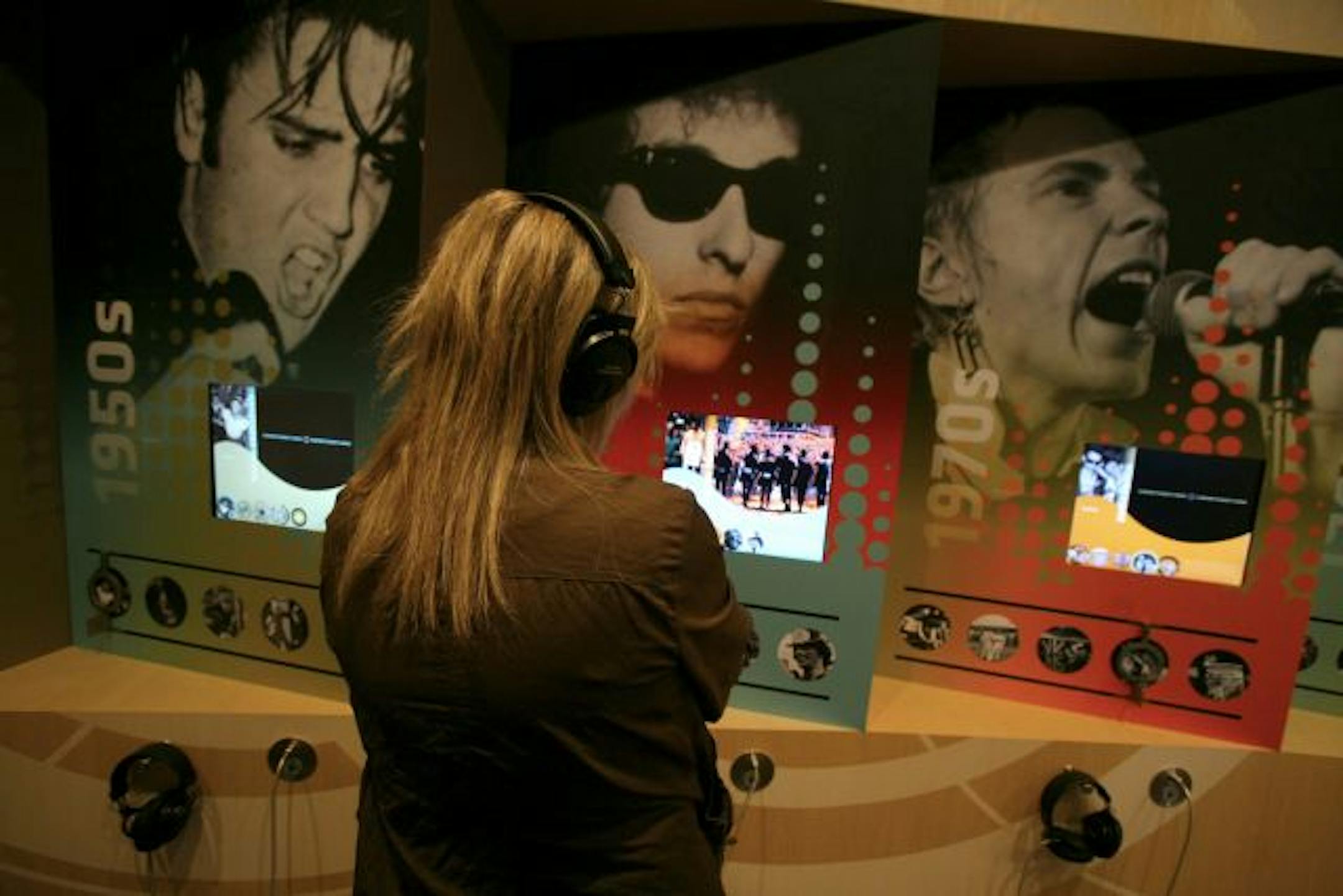
To be sure, the museum offers highlight clips from Grammy ceremonies, outfits worn to the awards (the J. Lo dress just isn't the same on a headless mannikin) and filmed interviews with such winners as Robert Plant and Alison Krauss talking about how they worked together in the studio. Music lovers are likely to spend more time elsewhere in this interactive museum, whose exhibits function like iPods and touch-screen computers.
Floor-by-floor highlights
Fourth floor: The first stop is "Crossroads," a large touch-screen table that explains 160 subgenres of music from emo to oi and banda to trance and how they are interrelated. Nearby pods celebrate the history of major genres, including folk, pop, classical, sacred and jazz with such artifacts as the first issue of Sing Out folk-music magazine from 1950 and a 1957 business card for the Quarry Men (who would soon change their moniker to the Beatles).