
West Nile virus re-emerges in Twin Cities metro

Mosquitoes in Scott County have tested positive, but no human cases have been confirmed. Still, officials advise caution.

July 5, 2014 at 11:34AM
<h1>Mosquitoes</h1> <p><b>Should you steer clear?</b> Yes, to the extent possible. Not only does the unofficial "state bird" top most Minnesotans' list of annoying insects with their itchy, swollen bites, but as potential carriers of West Nile virus and encephalitis, they are also among the few insects here that pose a more serious threat to human health.</p>
<p><b>What should you do with them? </b>Although theories abound about making yourself less tempting to mosquitoes (don't wear black, take
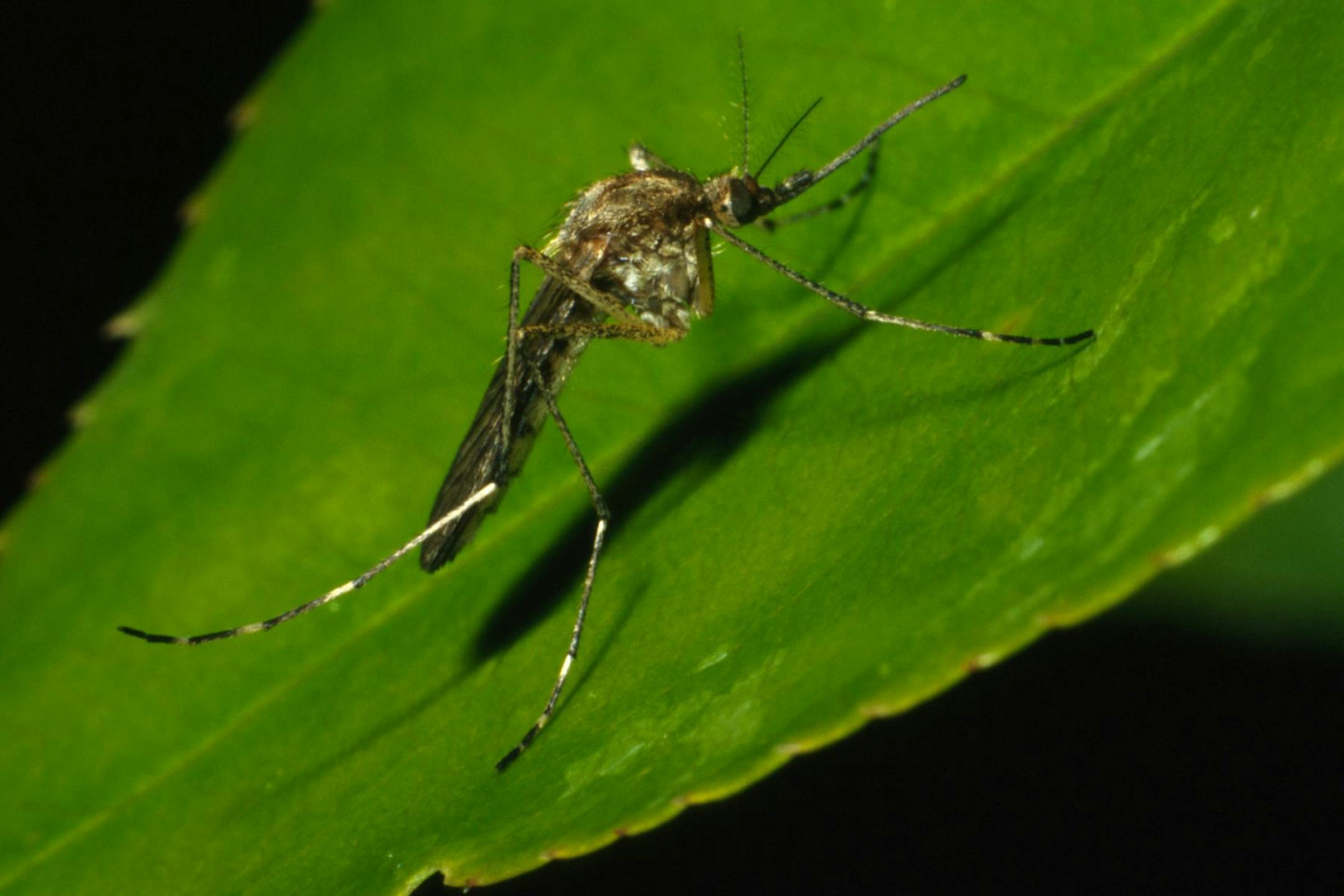
West Nile virus, the mosquito-borne bug that can cause fever and headaches and in some cases can prove deadly, has surfaced in Minnesota for the first time this year in mosquitoes collected in Scott County (The Minnesota Star Tribune)

West Nile virus, the mosquito-borne bug that can cause fever and headaches and in some cases can prove deadly, has surfaced in Minnesota for the first time this year.

Mosquitoes collected in Scott County this week tested positive for the virus, the Metropolitan Mosquito Control District reported.

There have been no confirmed cases of Minnesotans coming down with West Nile illness yet this summer, and dead birds tested by the mosquito control district also have turned up negative.

Nevertheless, the time is ripe for the virus and it's not a great surprise that the virus should turn up in the mosquito sample, officials said.

People "should take common-sense precautions to avoid mosquito bites," said district ecologist Kirk Johnson.

Those precautions include the use of mosquito repellent, especially at dusk and dawn.

The rising temperatures expected next week, close on the heels of a nearly record-setting wet season, could lead to more mosquitoes spreading the virus to birds, ­officials said.

The first signs of West Nile virus last year were found at this time, in a mosquito sample collected in Carver County. By late August last year, 21 cases of the disease had been confirmed in 16 counties by the Minnesota Department of Health and one victim in the western part of the state had died.

The virus is most common in open agriculture areas in western and central Minnesota, but cases are possible anywhere.

The virus first arrived in ­Minnesota about 12 years ago. The most confirmed cases occurred in 2007, when there were 116 victims. Disease incidents fell off for four years before 2012, when 103 cases were confirmed.

About one out of 150 people bitten by an infected mosquito develops central nervous system ailments such as encephalitis, a brain infection, or meningitis. About 10 percent of severely infected people die from the illness, and survivors can have long-term nervous system problems.

Most people bitten by infected mosquitoes, however, develop West Nile fever, the less severe form of disease, or fight off the virus without the flu-like symptoms.

The Mosquito Control District keeps track of reports of infected metro-area birds to try to reduce the risk of the virus, which is highest in mid- to late summer. To report a dead bird, go to http://tinyurl.com/kk6myyc.

Kevin Duchschere • 651-925-5035

about the writer

about the writer

Kevin Duchschere

Team Leader

Kevin Duchschere, a metro team editor, has worked in the newsroom since 1986 as a general assignment reporter and has covered St. Paul City Hall, the Minnesota Legislature and Hennepin, Ramsey, Washington and Dakota counties. He was St. Paul bureau chief in 2005-07 and Suburbs team leader in 2015-20.

See Moreicon

More from Minnesota Star Tribune

See More
card image
Provided/Sahan Journal

Family members and a lawyer say they have been blocked from access to the bedside of Bonfilia Sanchez Dominguez, while her husband was detained and shipped to Texas within 24 hours.

card image