
Wealthier areas got more H1N1 vaccine than poor, Minnesota finds

Wealthier more protected even though vaccine was free, state found.

September 11, 2013 at 3:50AM
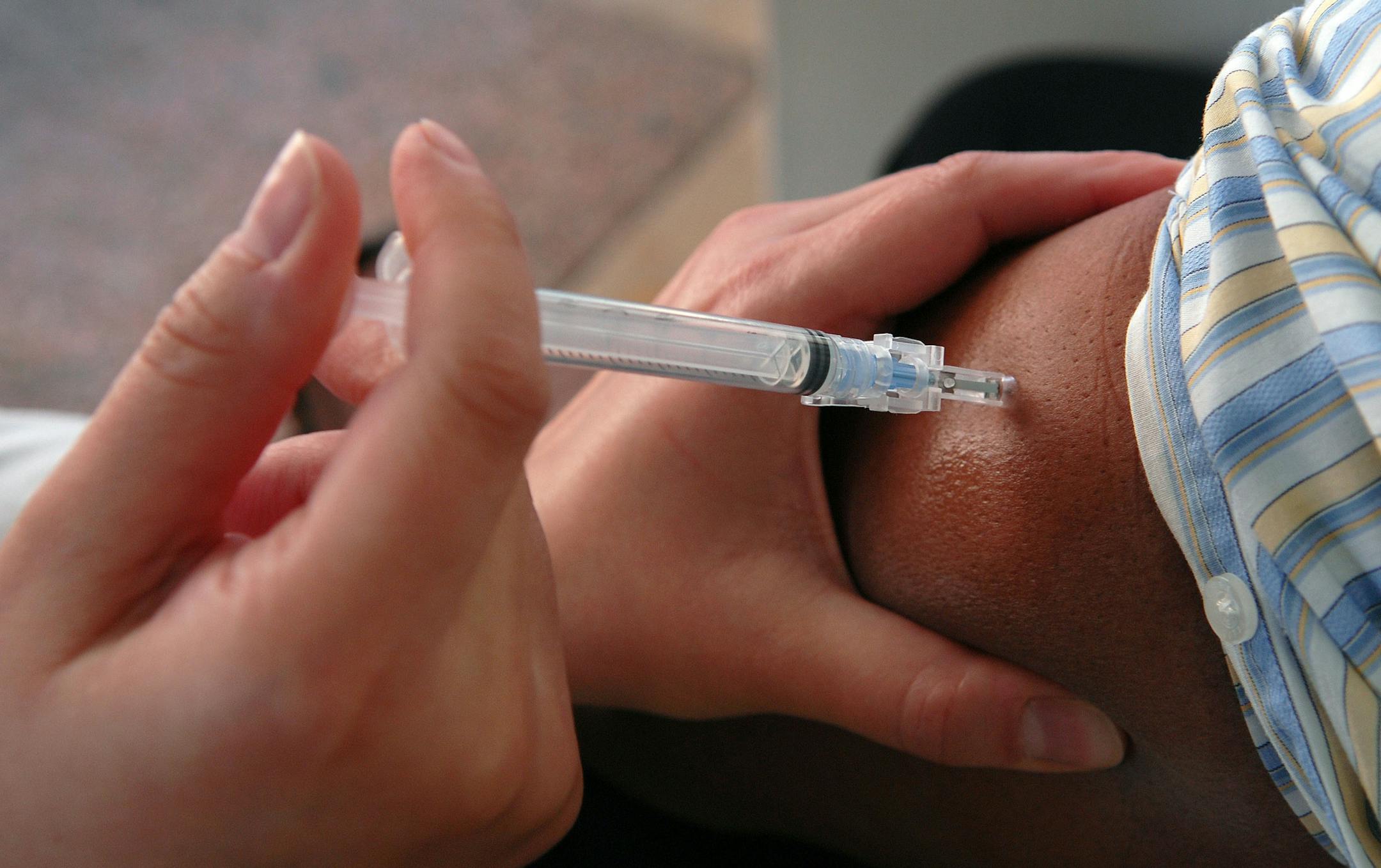
Amelious Whyte of Minneapolis gets his flu shot.
Amelious Whyte of Minneapolis gets his flu shot. (Star Tribune/The Minnesota Star Tribune)

H1N1 influenza spread indiscriminately among the rich and the poor during the flu pandemic of 2009, but a new Minnesota study shows that the vaccine to protect against it did not.

Researchers at the Minnesota Department of Health looked at distribution of H1N1 vaccine during the heavily publicized pandemic and found that people living in the state's wealthier ZIP codes were more likely to get vaccinated.

The findings give public health leaders important insights as they prepare for what is expected to be a fairly predictable flu season this winter, and for any atypical pandemics in future seasons.

"What is the best way to reach out to the populations that we didn't reach?" will be a core question, said Kris Ehresmann, who directs the Health Department's immunization programs.

Among ZIP codes with median family incomes above $50,000, four in 10 had at least a quarter of their population vaccinated against H1N1, according to study results published in the September edition of Minnesota Medicine.

In ZIP codes with family incomes below $35,000, only two in 10 achieved that vaccination rate.

Researchers were puzzled at first to find an economic barrier, given that the H1N1 vaccine was free.

In urban areas, 81 percent of the doses were given out by private doctors or clinics — which lower-income patients are less likely to use. There was no economic disparity in rural areas, where half of the doses were given out at public events.

No vaccine existed when the novel "swine flu" virus first emerged in the spring of 2009. Unlike normal flu, H1N1 spread especially fast among children and young adults. Worried schools closed at the news of any infected students; the Minnesota State Fair sent 4-H teens home early that summer due to an outbreak.

When the first limited doses of vaccine arrived in October, Minnesota reserved them for children at greatest risk of harm from infection and people who worked with children.

That created pent-up demand, which might have improved the state's overall vaccination rate when doses became broadly available later in the winter.

Minnesota ranked eighth among states for the rate of residents who ended up receiving the vaccine against H1N1, which was linked to more than 3,300 hospitalizations and more than 60 deaths.

Exactly why low-income Minnesotans in urban areas didn't join the rush for free vaccine is unclear. Difficulties with transportation or getting time off work might have been a factor, especially when it became clear later in the winter that the death toll from the pandemic wasn't going to be as high as feared, Ehresmann said.

"As pandemics go, it was milder," she said, "If you're in a situation … where you have competing priorities for your time and energy — your job or housing or food — and you're not seeing people falling over from disease, it may be more difficult for you to prioritize" getting vaccinated.

Jeremy Olson • 612-673-7744

about the writer

about the writer

Jeremy Olson

Reporter

Jeremy Olson is a Pulitzer Prize-winning reporter covering health care for the Star Tribune. Trained in investigative and computer-assisted reporting, Olson has covered politics, social services, and family issues.

See Moreicon

More from Minnesota Star Tribune

See More
card image
Provided/Sahan Journal

Family members and a lawyer say they have been blocked from access to the bedside of Bonfilia Sanchez Dominguez, while her husband was detained and shipped to Texas within 24 hours.

card image