The national parks are our collective treasure. And it's great that about 283 million visitors came to see the beauty up close last year.
But a growing number of our fellow citizens and some foreign visitors too are getting too close — or too high, deep or far away — in their explorations.
The numbers were laid out by the website NationalParksTraveler.com just this month.
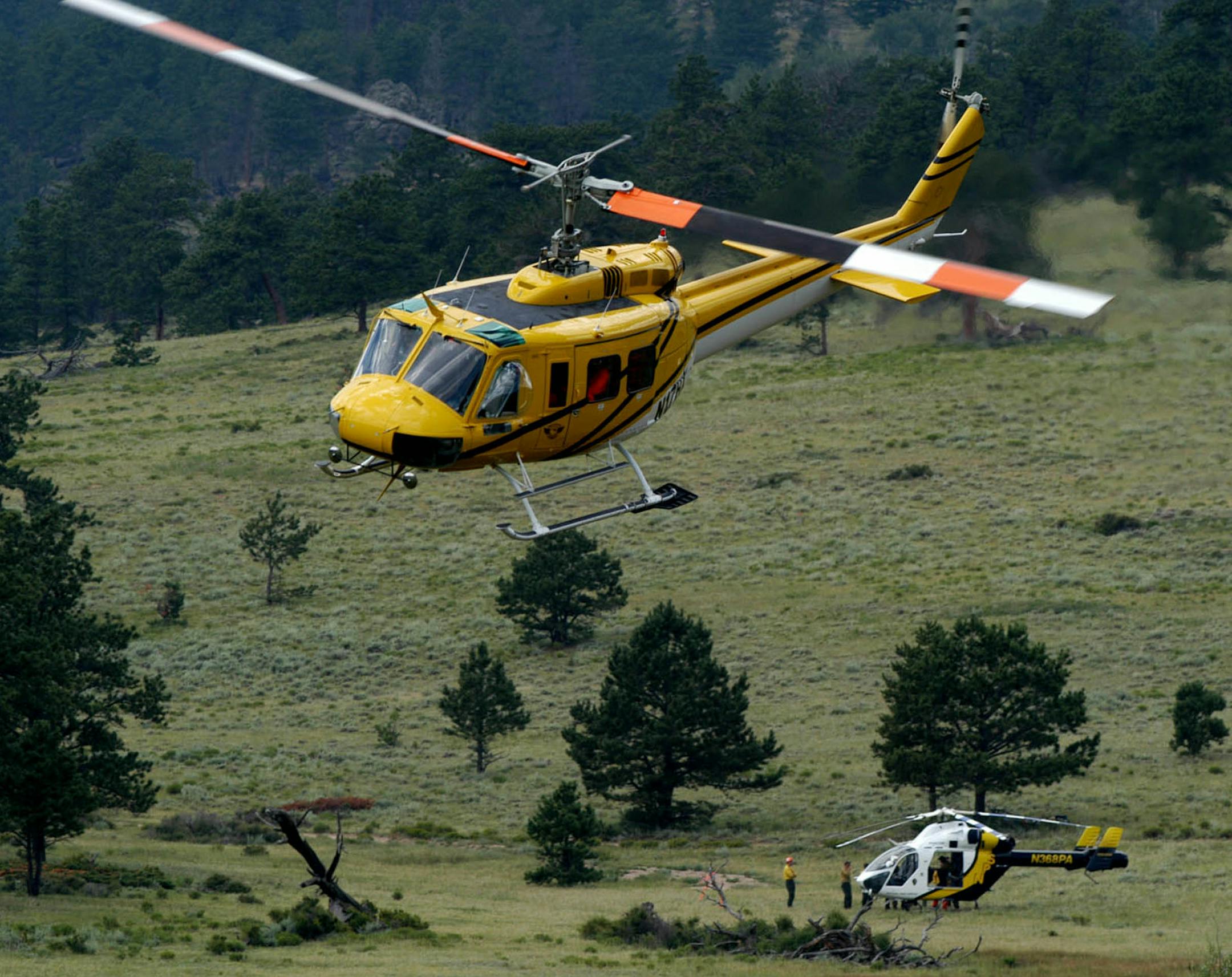
The National Park Service search-and-rescue teams put in 92,732 hours on 2,876 missions getting people out of trouble that, for the most part, they could have avoided with a better grip on their own physical fitness and more common sense when faced with decisions in unfamiliar country.
A Park Service report said the top contributing factor in rescues was that those needing help were not in physical condition to attempt the hike or other activity they were trying or underestimated the level of fatigue they would experience once too far into the activity to get themselves out unaided.
The second top factor: "error in judgment," a catchall that basically means failing to turn around, taking the wrong route, underestimating the amount of time before nightfall or a storm hits, bothering large mammals, taking a shortcut, going for a closer view and falling, and myriad other actions ranging from ill-advised to idiotic to fatal.
Third: Trying a hike or other activity without the proper clothing or gear.
High-risk group: Day hikers
Not surprisingly, the biggest group to get in trouble was identified as "day hikers." Saturdays and Sundays were the most likely day for rescue calls. Though all sorts of people need rescue, the most common profile was a man, age 20-29.