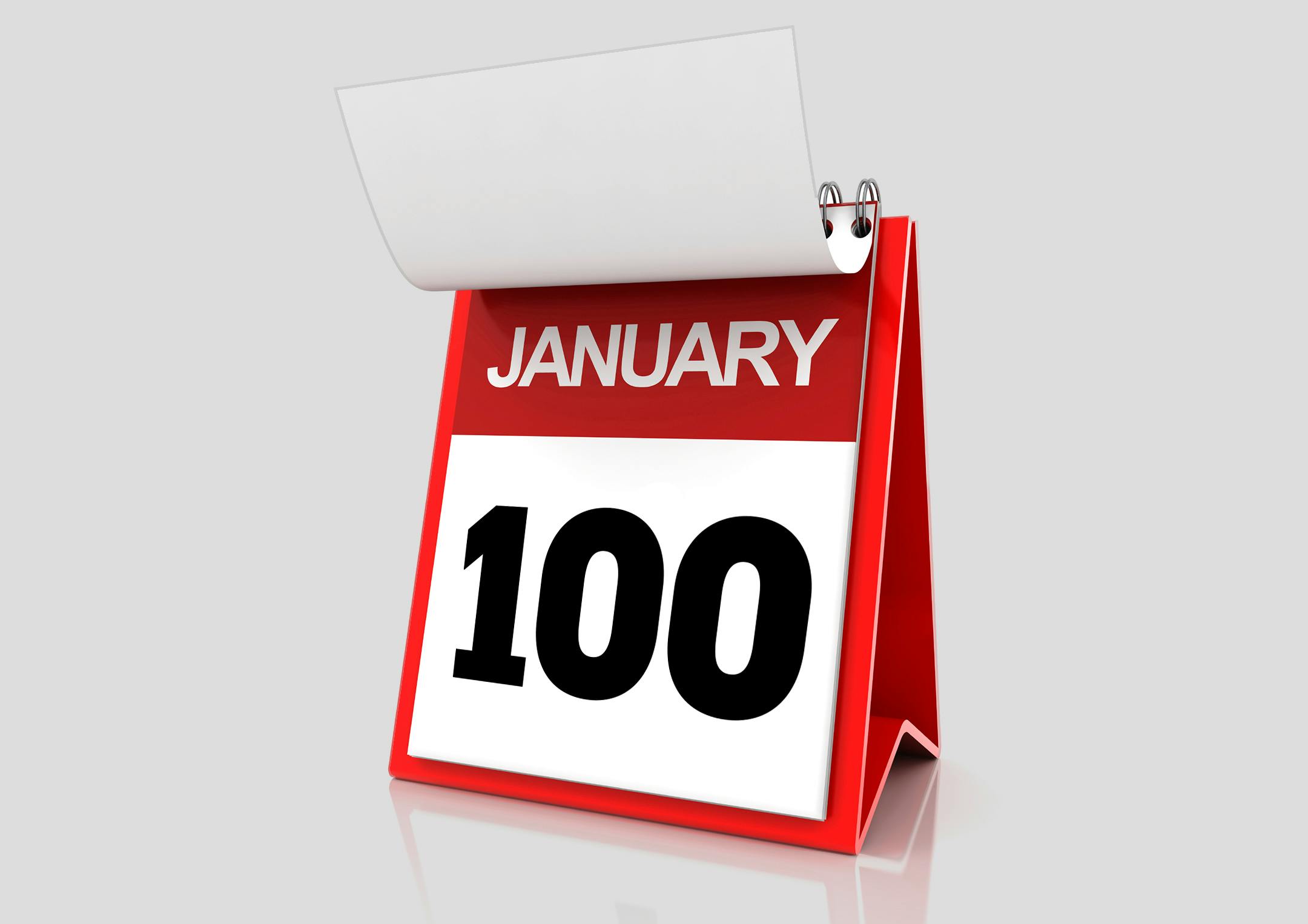
The 100-day evaluation is a marker in U.S. politics — superficial sometimes, though often a leading indicator. By April 15, 2015, the tone and motivation of the new Republican Congress may be apparent.
Those first 100 days won't make clear which measures will or won't pass the 114th Congress; no one can anticipate intervening events over the next 600 days.
By Tax Day, however, there'll be a good sense of whether the year will be shaped only by partisan confrontations or if it will feature a decent dose of principled compromises, too.
The last two months offer no clear guideposts. The Republicans won smashing victories in the midterm elections and moved to dominate the dialogue. Then, with a series of executive actions on immigration, climate change and Cuba, along with a surprisingly productive lame-duck congressional session, President Obama put Republicans on the defensive.
Further damage occurred last week, when it was revealed that Rep. Steve Scalise of Louisiana, the No. 3 House Republican, spoke to a blatantly racist group in 2002.
Here are some signs to look for over these next 100 days:
• The president's approach: Pennsylvania Avenue is a two-way street. Obama's general view of compromise is to seek areas of common ground; there are a few, including trade, but not many. In divided government, compromise works when both sides surrender things they don't want to give up in return for getting something they want. Although the products were flawed, this sort of compromise occurred in the lame-duck session.
The Democratic-controlled Senate is gone and the dynamics are different; can the White House adjust?