

That was the summer of our discontent. Early this year, many of us were expecting to see dramatic improvements in the quality of our lives. Miraculous vaccines offered the hope of a quick end to the pandemic and a return to normal life. The return to normality would, we hoped, also set the stage for a rapid economic rebound. When President Joe Biden predicted a "summer of joy," that didn't seem unreasonable.
But it was not to be. The vaccination drive, after early successes, stalled in the face of widespread resistance, intensified by politically motivated misinformation and disinformation; and in an inadequately vaccinated nation, the delta variant led to a deadly third wave of infections.
While job growth has been fast by historical standards, the economy has been crimped both by the persistence of COVID-19 and by snarled supply chains. And a surge in homicides has revived some of the old dystopian fears of social breakdown.
The result has been widespread frustration, with many people predicting that things will stay bad or get worse in the months ahead.
But what if the current gloom is overdone? As regular readers know, I'm not an optimist by temperament — and I'm as terrified as everyone should be by the threat right-wing radicalism poses to U.S. democracy. But there's a good case that in the quite near future we'll see substantial progress against the three C's: COVID, containers (i.e., supply chain issues) and crime.
We didn't get our summer of joy, but we might be heading for a spring of relief.
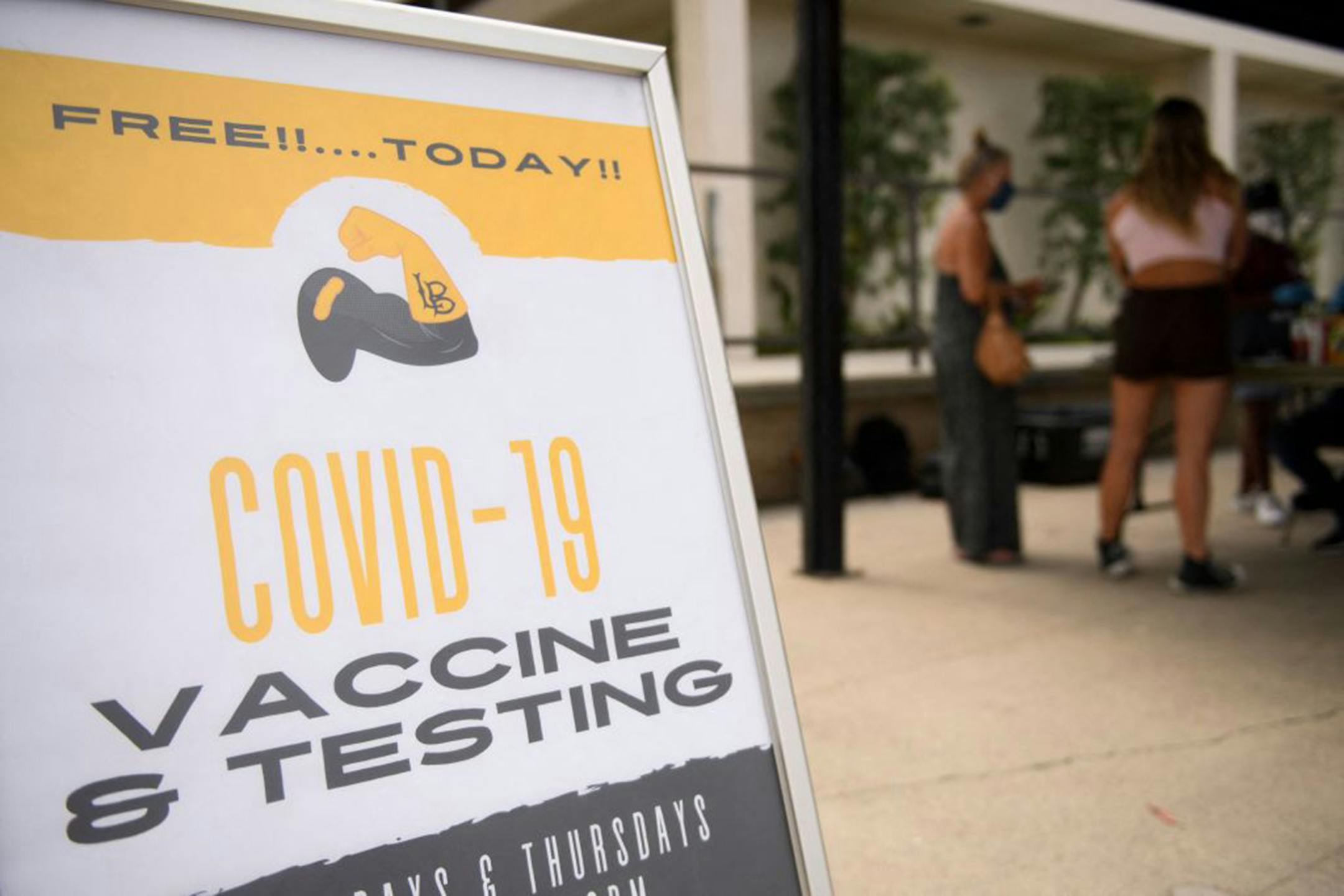
Start with the state of the pandemic. At this point, the delta wave is clearly receding in the United States. Furthermore, there are reasons to hope that this won't be another false dawn, because the federal government and a growing number of private employers have been getting serious about requiring that workers be vaccinated.
And the wall of vaccine resistance is proving a lot less solid than it may have seemed. A few months ago, surveys suggested that many workers would quit their jobs rather than accept mandated vaccinations. In reality, employers that have already imposed such mandates, for example in health care, are typically seeing only 1% or 2% of their workers make good on this threat.


