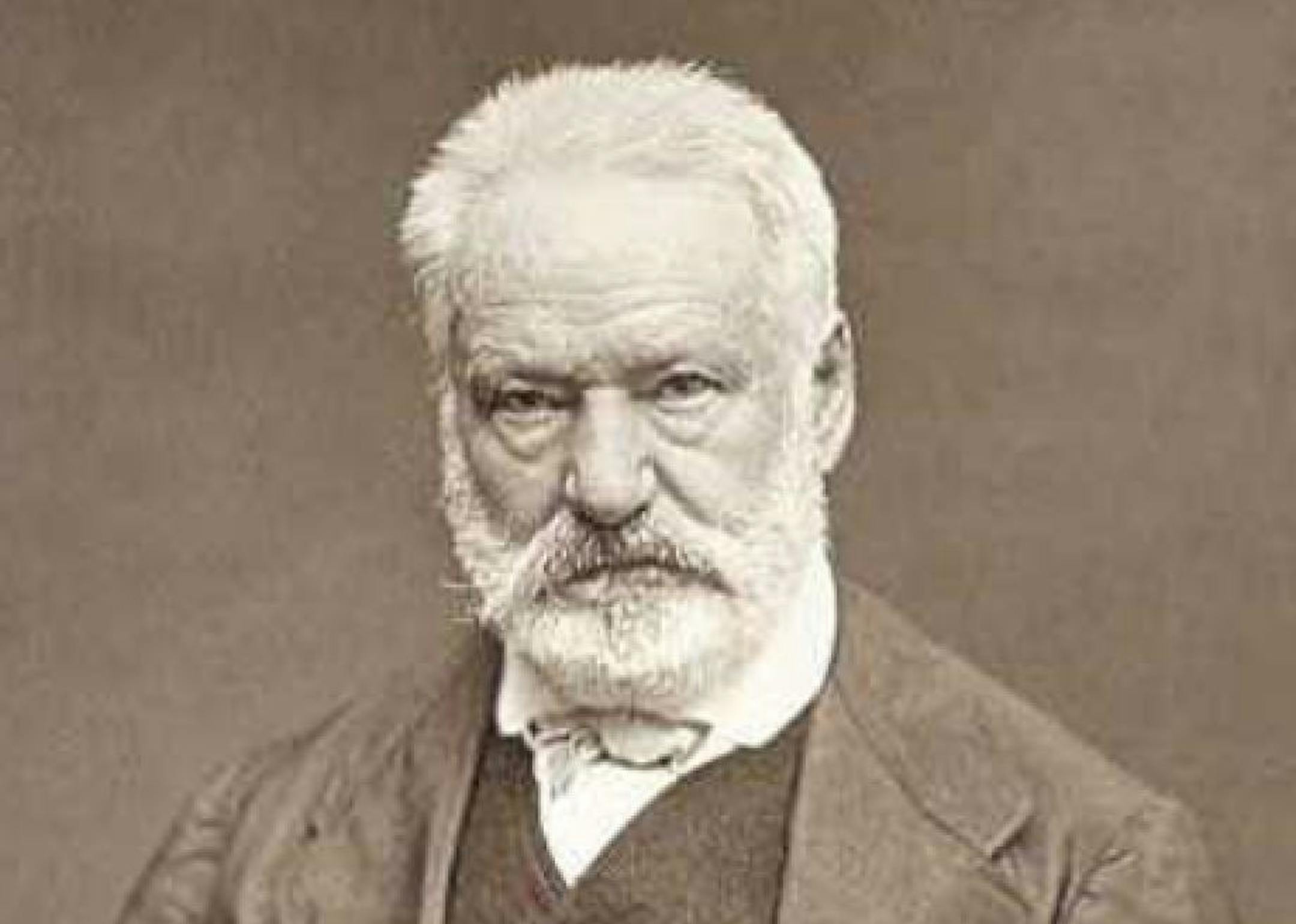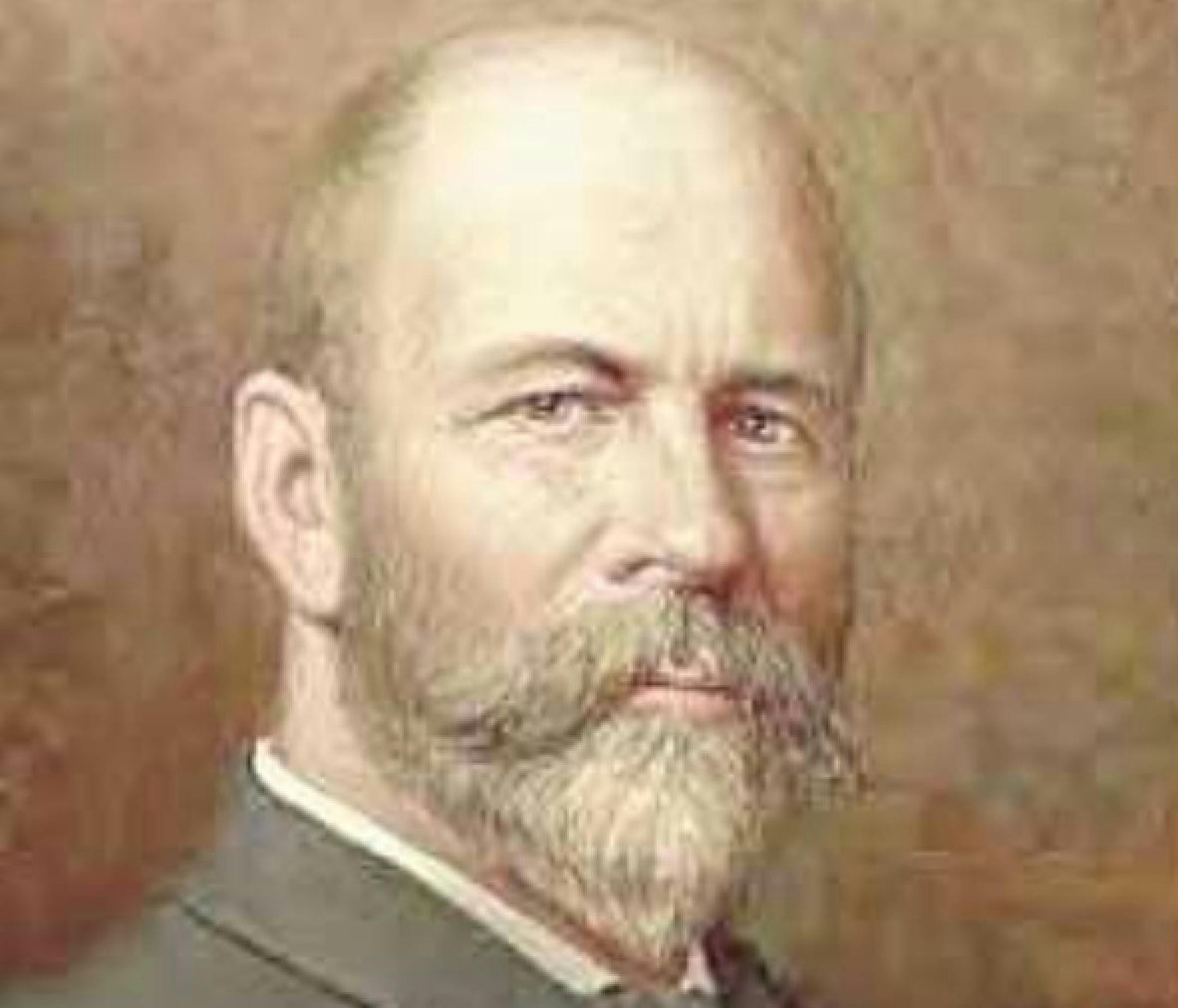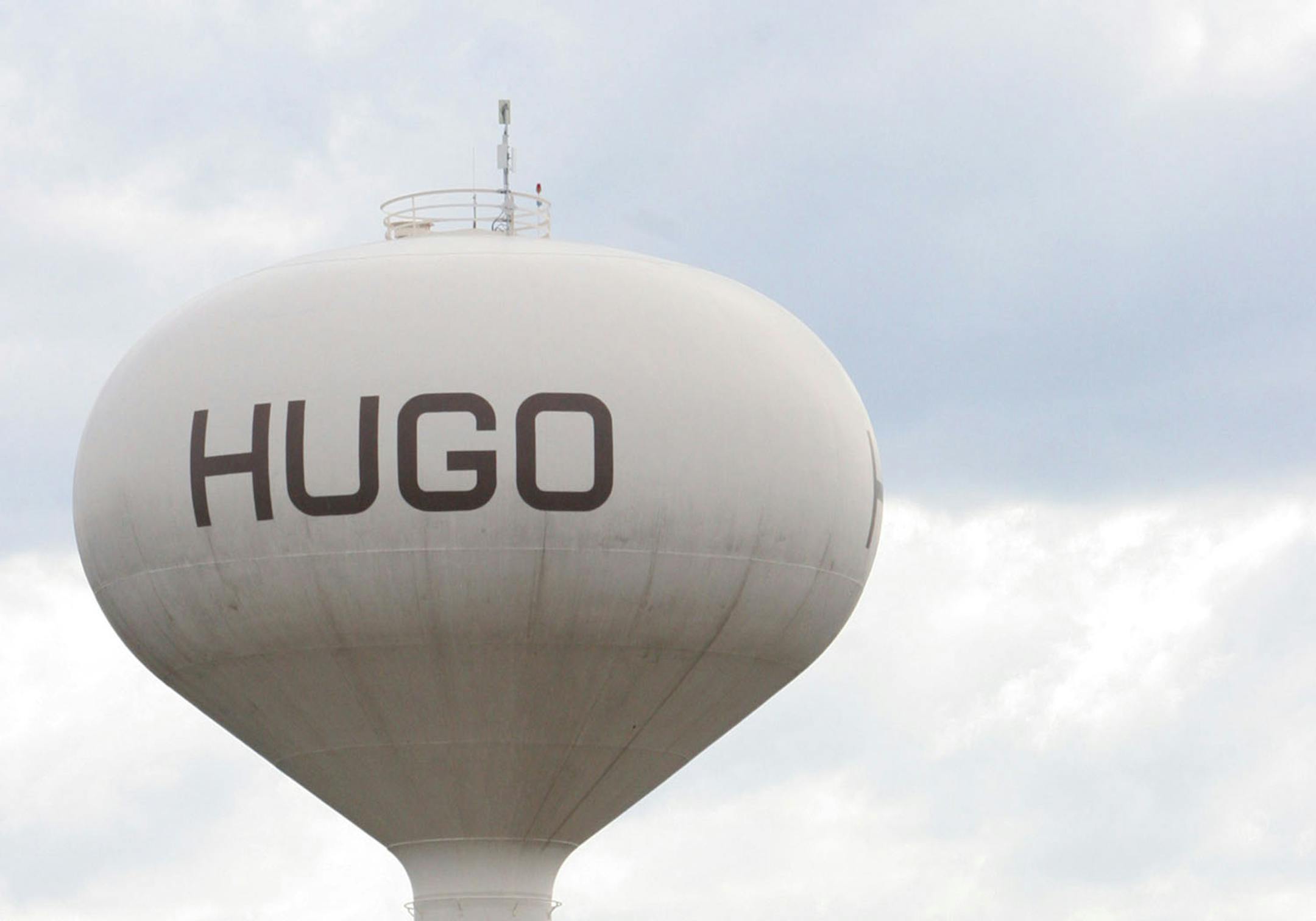
Hugo, Minn., first got its name in 1882 — the same year that France's pre-eminent wordsmith, Victor Hugo turned 80, and English-born, Canadian-bred engineer Trevanion William Hugo emigrated to Minnesota aboard a Great Lakes steamer.
In Paris, a street was renamed Avenue Victor-Hugo and a massive parade celebrated the life of the author of "The Hunchback of Notre-Dame" and "Les Miserables."Trevanion Hugo, then 33, would go on to become chief engineer at a grain elevator, two-term mayor of Duluth and a nationally-known Masonic leader.
For years, a namesake debate has simmered in Hugo, a Washington County city of 15,000 people about 18 miles north of St. Paul: Was the town named after the venerated French writer Victor, or the civic-minded engineer Trevanion?
A new 39-page research project, piloted by Hugo Historical Commissioner Craig Moen, makes an air-tight case that the community that began as a railroad refueling stop with French Canadian immigrants in the 1870s was named for Victor Hugo, the writer from the ancestral homeland of its first white settlers.
But in the research process, a David vs. Goliath clash of Minnesota history buffs emerged — and the underdog won.
Moen, 75, is a retired musician and salesman of appliances and lawn and garden supplies. He went up against the late Warren Upham — a geologist, archeologist, surveyor, librarian and superintendent of the Minnesota Historical Society — who in his 1920 book, "Minnesota Geographic Names: Their Origin and Historic Significance," wrote that Hugo was named for Trevanion.
The Minnesota Historical Society Press rechristened the book "Minnesota Place Names: A Geographical Encyclopedia," updating it in 1969 and 2001. It calls the book a "classic reference for place-name information" and "a remarkable achievement and classic of Minnesota history." Washington County Historical Society director Brent Peterson said Upham's book "is as gospel as anything."
In his book, Upham recounts Trevanion Hugo's journey from England to Ontario and Minnesota, and says he is the town's namesake. Moen calls that into question, tipping the scales to Victor Hugo.