

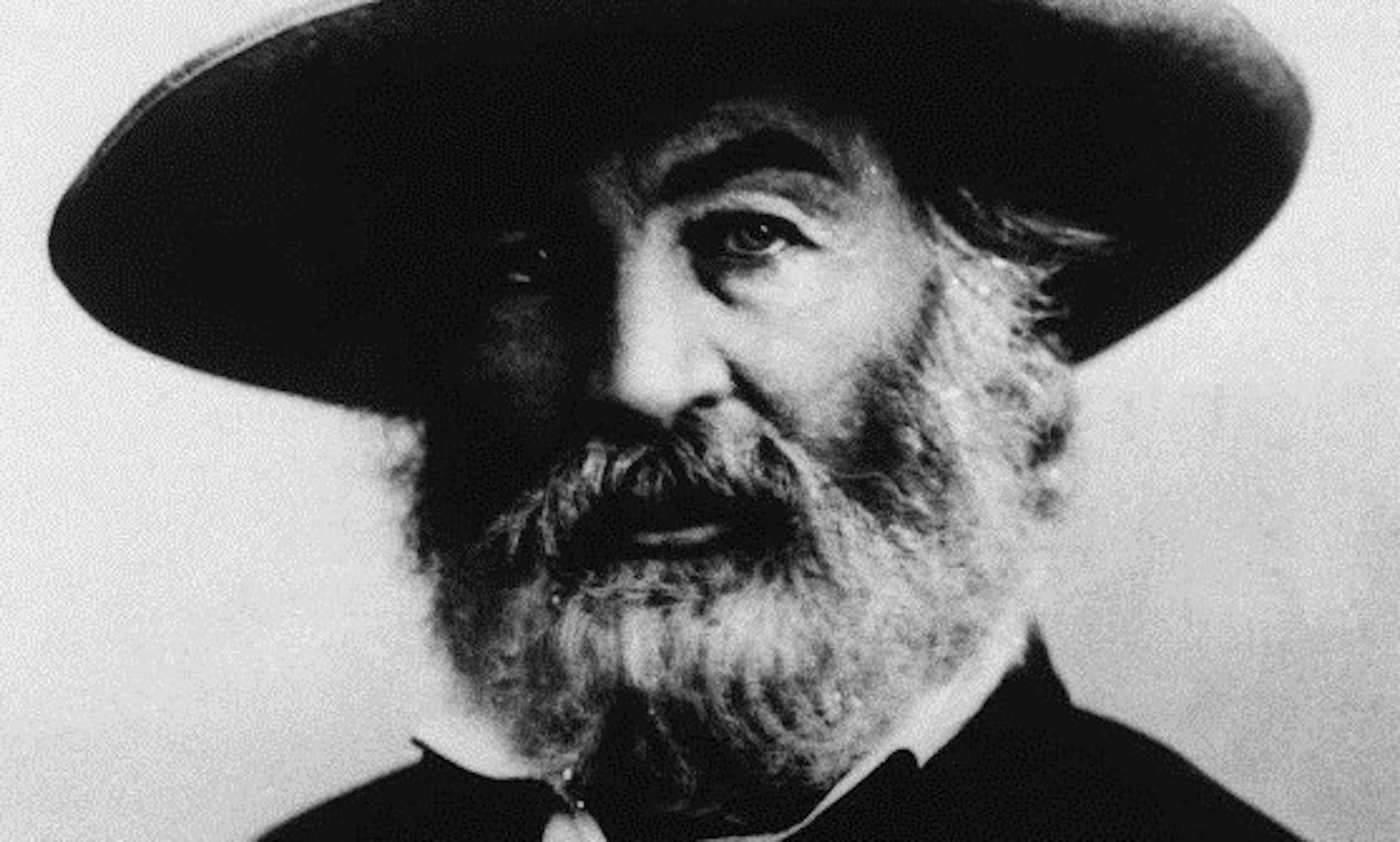
Readers who picked up the New York Times on March 13, 1852, might have seen a small advertisement on Page 3 for a serial tale set to begin the next day in a rival newspaper.
"A RICH REVELATION," the ad began, teasing a rollicking tale touching on "the Manners and Morals of Boarding Houses, some Scenes from Church History, Operations in Wall-st.," and "graphic Sketches of Men and Women" (presented, fear not, with "explanations necessary to properly understand what it is all about").
It was a less than tantalizing brew, perhaps. The story, which was never reviewed or reprinted, appears to have sunk like a stone. But now comes another rich revelation: The anonymously published tale was nothing less than a complete novel by Walt Whitman.
The 36,000-word "Life and Adventures of Jack Engle," which was discovered last summer by a graduate student, was republished online Monday by the Walt Whitman Quarterly Review and in book form by the University of Iowa Press. A quasi-Dickensian tale of an orphan's adventures, it features a villainous lawyer, virtuous Quakers, glad-handing politicians, a sultry Spanish dancer and more than a few unlikely plot twists and jarring narrative shifts.
"This is Whitman's take on the city mystery novel, a popular genre of the day that pitted the 'upper 10 thousand' — what we would call the 1 percent — against the lower million," said David Reynolds, a Whitman expert at the Graduate Center of the City University of New York.
But it also, Reynolds and other scholars say, offers clues to another mystery: how a workaday journalist and mostly conventional poet transformed himself into the author of the sensuous, philosophical, wildly experimental and altogether unclassifiable free verse of "Leaves of Grass."
"It's like seeing the workshop of a great writer," said Ed Folsom, the editor of the Walt Whitman Quarterly Review. "We're discovering the process of Whitman's own discovery."
That transformation was one that Whitman himself wished to obscure. He said little about the early 1850s, when he worked as a carpenter in Brooklyn and published almost nothing, working instead on what became the 1855 first edition of "Leaves of Grass."


