Sometimes I am a voyager in time. I do not need a hotel for this, or a bag full of miniature mouthwash and shampoo bottles. Memory is all that is required.
I am in a hotel that smells, just slightly, of cigars. Is that a radio over there? It is. A rotary-dial phone is ringing just behind the desk, and someone's using a pencil -- the type you grind to a point -- to draw a line on my map.
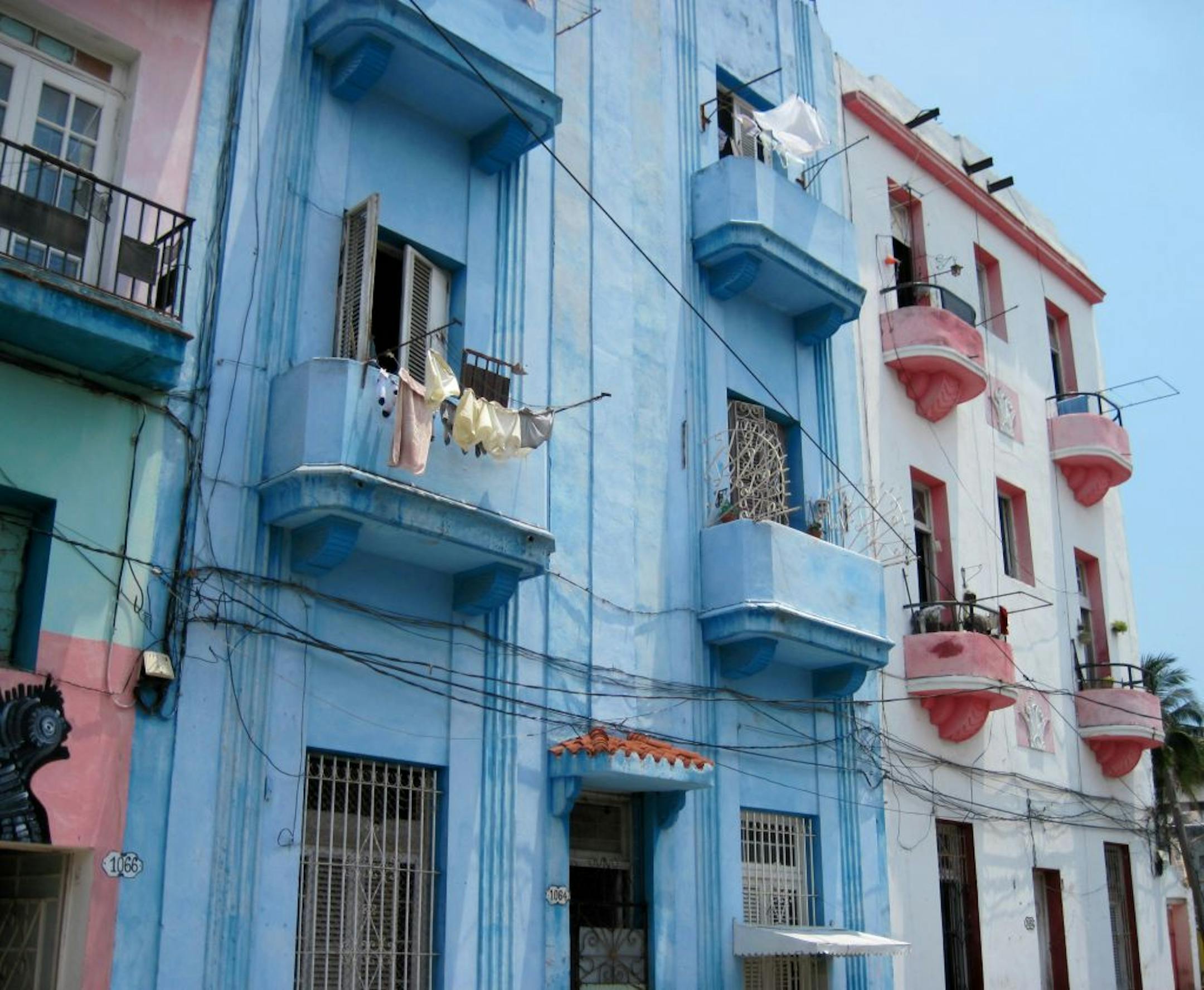
I could be in one of my 1960s reveries. Instead, the top of the grid of streets says "Havana." It is Day One of my mid-May Cuban music and art tour, a trip that requires me to participate in a full, government-approved schedule of "educational" activities.
Along with the other tourists, I am hoping for more than vibrant canvases and pulsating sounds. Havana is in the midst of its Biennial Art Exhibition, which showcases voices from Latin America and throughout the Third World. But as Americans traveling here on one of the people-to-people exchanges started by the U.S. government in 2000, we are eager to get a broader look at what life is like here.
After years of U.S. Treasury Department travel restrictions, Cuba has taken on an air of mystery. Our 45-minute charter flight from Miami and the bus ride into Havana make us feel like astronauts of a sort, touching down for nine days in a parallel world.
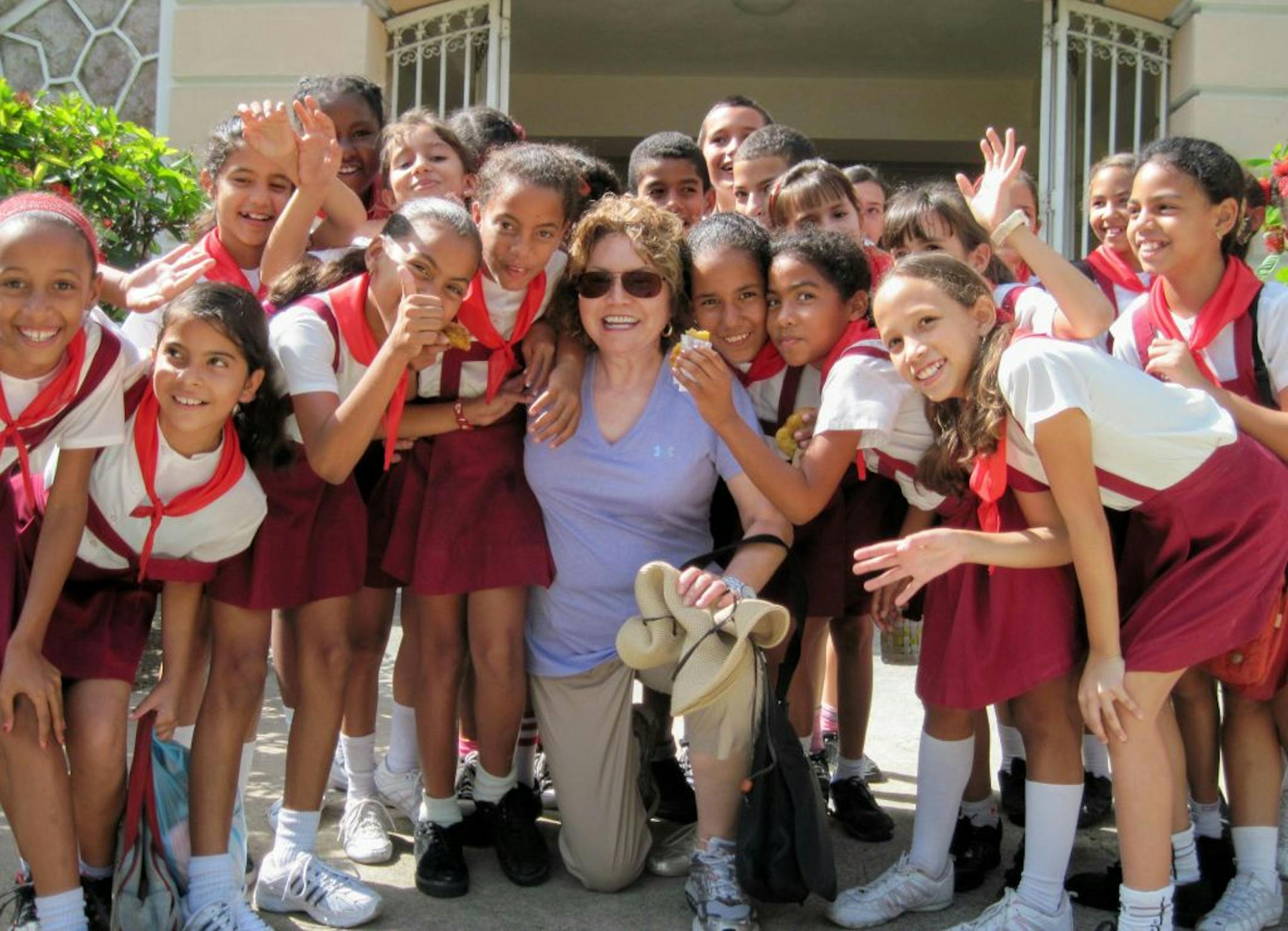
"I've been planning this trip forever," says Mary Cowden of Kingsport, Tenn., as we walk with our group through the city's Plaza de Armas, Plaza Vieja and Plaza de la Catedral. Cowden shows me some plastic bags that are bulging with toiletries she's been stocking up on back in Tennessee. There are Band-Aids, bars of soap, toothbrushes ("kids' size and adult") and reading glasses in a variety of styles.
"For the Cuban people," Cowden explains. "My friend said there are all types of needs. If you bring them the glasses, especially, you'll be Queen of Cuba."
I don't say anything, but based on what I've seen so far, the stores seem pretty well stocked. Ice cream stands may have only two or three flavors, but there are scoops to sell.