

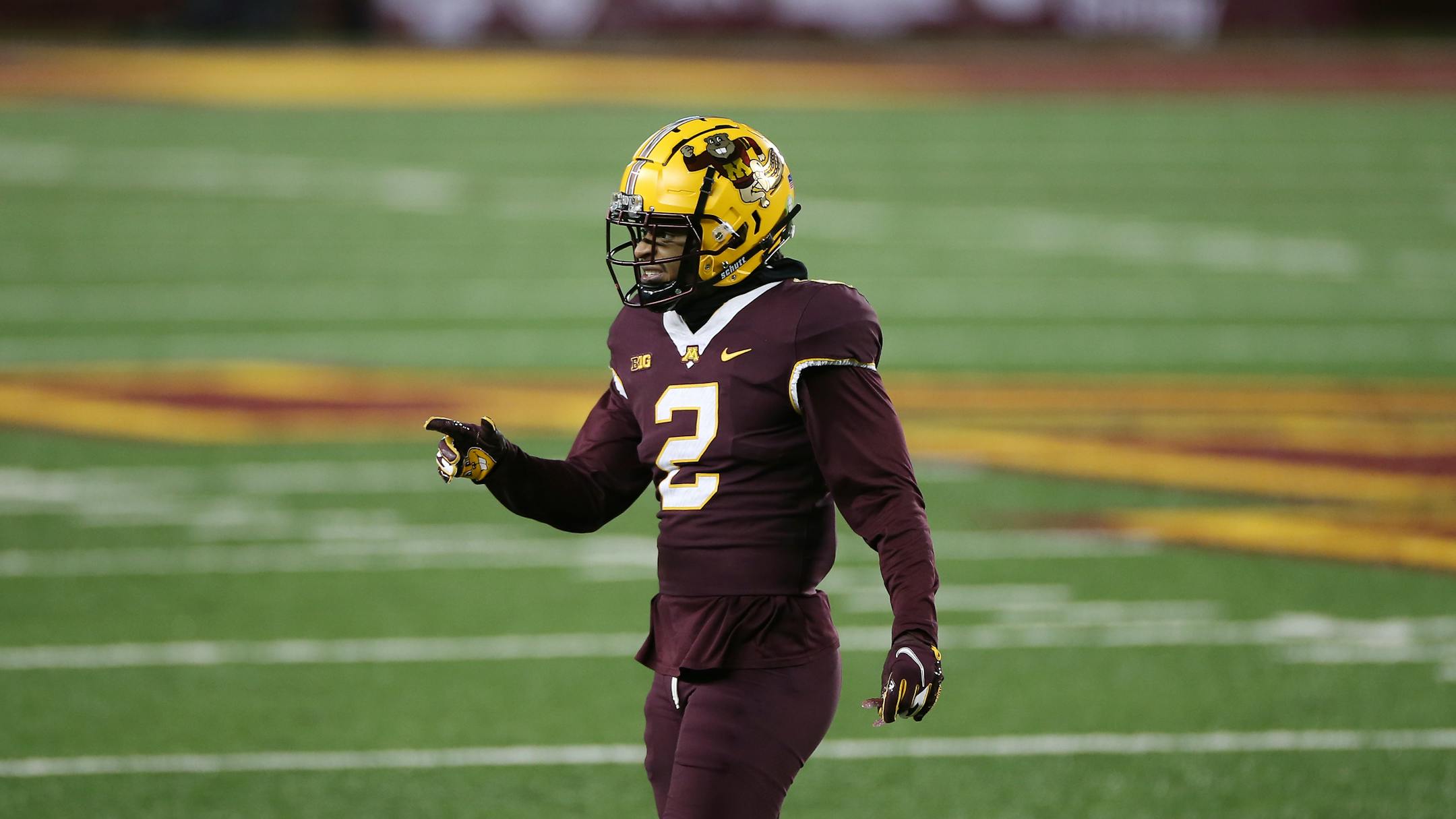
Even though Phil Howard has been in college since 2016, he still acutely remembers the stress of waiting for his ACT results to arrive.
That's because the Gophers cornerback has a visceral reminder every day of that nervousness when he has to take a COVID-19 test and see if he's positive or negative.
"It's definitely nerve-racking. You're anxious. You kind of sit up in your chair a little bit," Howard said Wednesday. "And you're just like, 'Ugh, what time are they going to text me?' "
As if having a cotton swab jammed up his nose most days wasn't unpleasant enough, Howard has to watch as teammates' phones buzz with the all-clear message of, "Hey, you're good to go. Go home. Go get you some food," while he dreads receiving the "Come in the back real quick, I need to PCR you," message, referring to the confirmatory test.
The waiting game is just part of playing football in 2020 amid a global pandemic, where Big Ten policy mandates six-days-a-week antigen testing, and a positive result sits a player out for three weeks.
The Gophers have only recently come down from a 49-case outbreak that caused them to cancel games against Wisconsin and Northwestern and shut down the facility for about two weeks. And while they should make their return at Nebraska this Saturday, the testing tension won't go away until the season wraps. That could be as early as after the Dec. 19 game or as long as several weeks out if the team makes a bowl game.
"That's a real anxiety, especially with other people testing positive," quarterback Tanner Morgan said. "… I mean, if you test positive or whatever, and you miss 21 days, you could miss the whole rest of the season."
Ready to run
In Nebraska's most recent game, a 37-27 win against Purdue, the Cornhuskers held the Boilermakers to minus-2 rushing yards. Purdue was also the Gophers' most recent game, a 34-31 win on Nov. 20, and the Gophers allowed 125 yards on the ground.


