

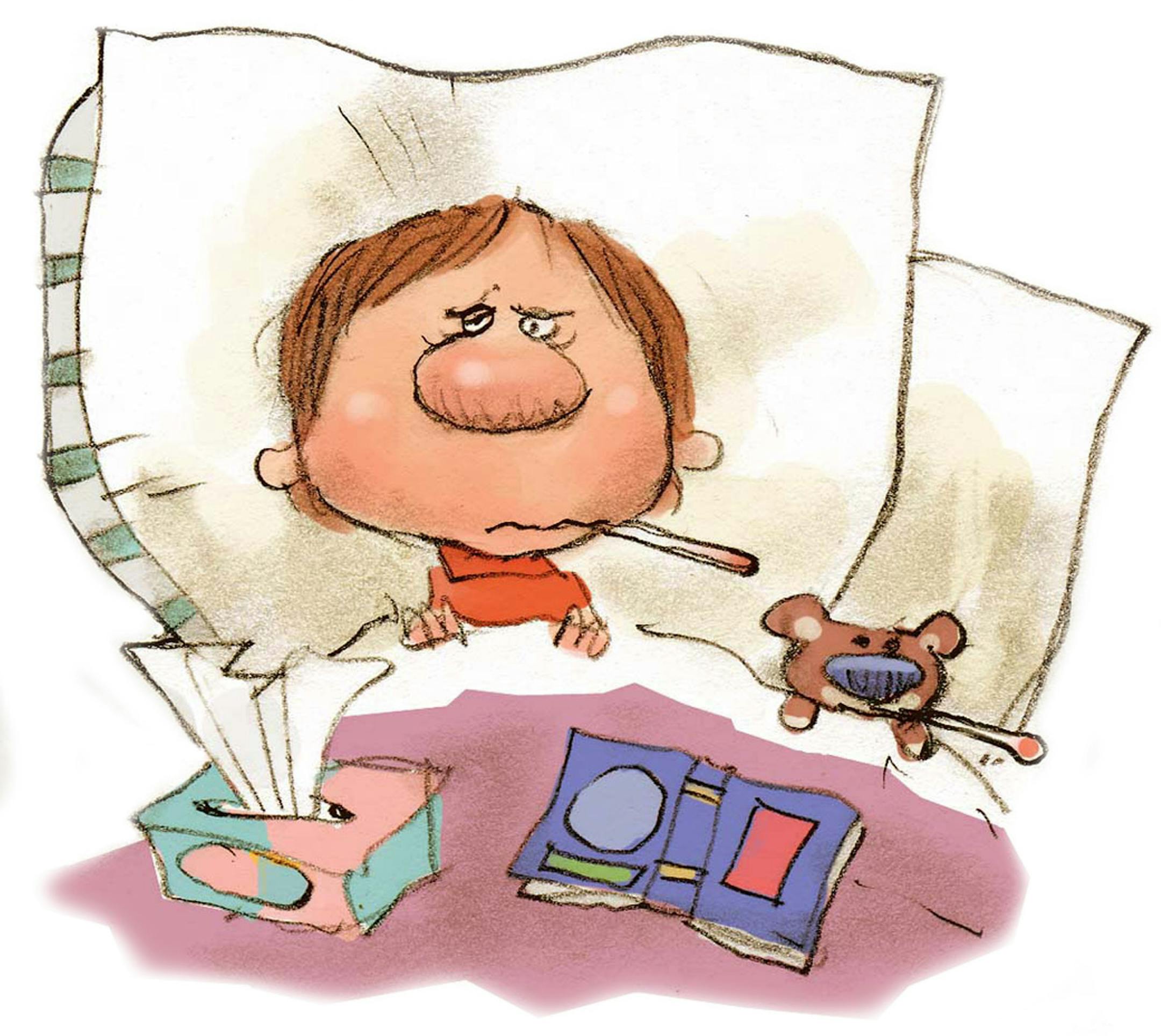
Judy Skeie-Voss doesn't know what kind of sick bug has been bugging her for so long, but whatever it is, she's tired of it.
"I've been sick since Black Friday," she said. "It's lasting forever."
Piles of tissue testify to her symptoms: constant runny nose, coughing and hacking up phlegm from deep inside her chest. Right now, she's surviving on cough drops and liquids.
"I really don't think there is anything I can take. It's just going to have to run its course," said Skeie-Voss, 52, who suspects a virus is to blame for her misery.
If it was a bacterial bug, she reasoned, she'd feel a whole lot worse. She's giving it one more week to clear out before heading to the doctor.
Pinpointing the culprit behind your winter crud — virus or bacteria — is the first step in understanding how to treat it. At a time when public health officials warn that antibiotics are overused, getting the right diagnosis takes on new significance. Antibiotics work on bacterial infections but not on viruses.
"It boils down to that one decision: Are you going to treat with antibiotics or not?" explained Dr. Frank Rhame, a physician specializing in infectious disease at Allina Health Uptown Clinic in Minneapolis. "It's not always easy. You don't want to miss a bacterial infection, and you don't want to overtreat a viral infection. But we're helped by the fact that they're usually viral."
Even doctors have trouble nailing down the sick bug. With no surefire test to find out if it's a bacteria or a virus that's attacking your body, they rely on symptoms to make a diagnosis.


