

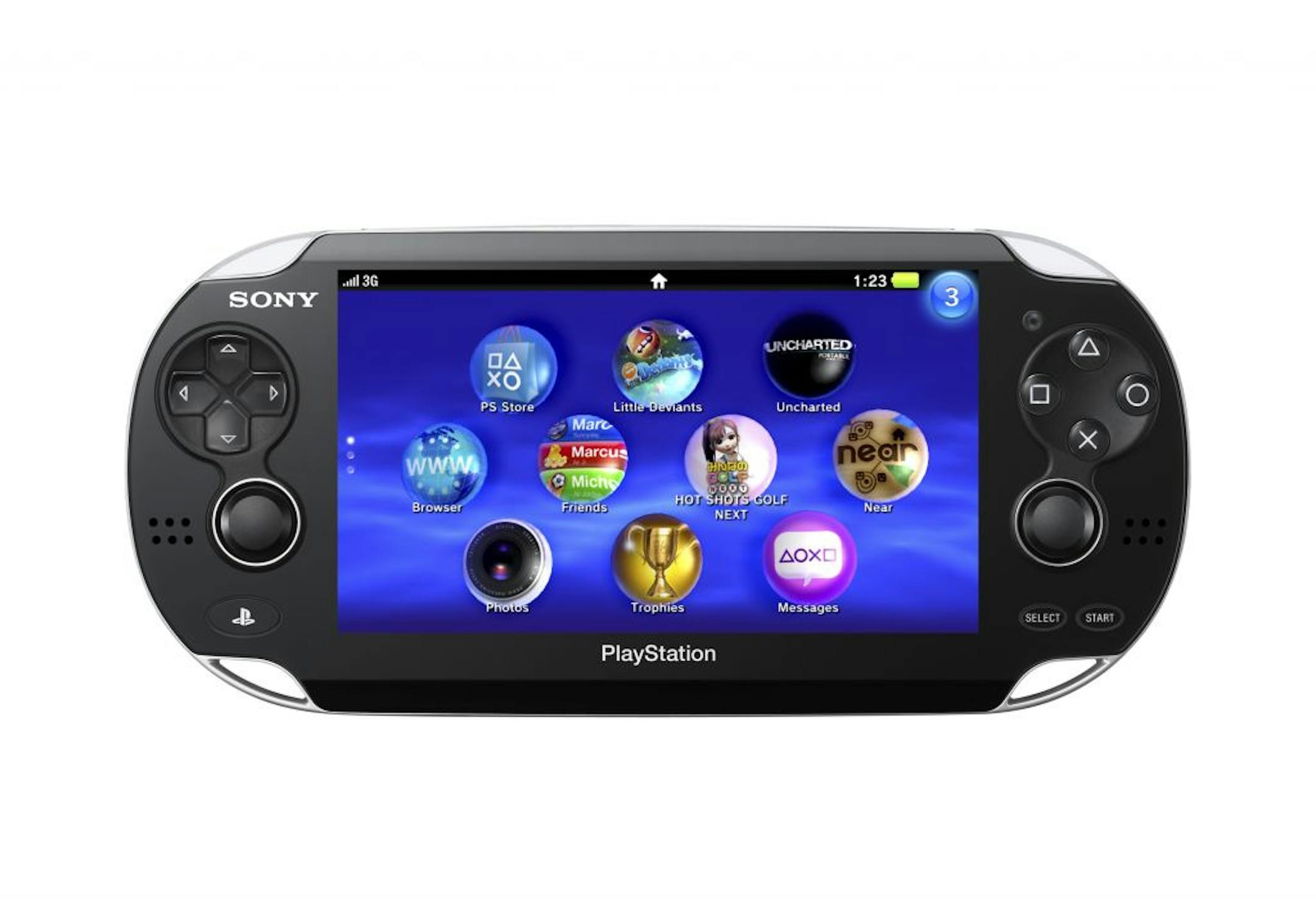
With its big, bright screen, ability to sense touch and motion, and controls that mimic a home game console's, Sony's PlayStation Vita delivers the sort of gaming that approaches what you might expect to experience in your den. But is that what gamers still want?
I've spent a week with a PS Vita, enjoying its smart design, cleverly crafted games, luxurious screen and two thumb sticks. I also spent the week wondering whether this was a gaming machine that's come too late.
The growing ubiquity of gaming, the ability to play games on laptops, tablets, digital books and smartphones, undermines the value of carrying around a device that can be used only for games. That doesn't mean that there's no market for dedicated portable gaming machines, just that they face new challenges.
Where portable gaming once had to deliver an experience simply better than not gaming on the go at all, now it has to overcome the advent of micro and casual games, time-killers such as "Angry Birds," "Words With Friends" and "Bejeweled." These smaller, bite-sized experiences can be purchased anywhere, anytime with a short download for little money. But more important, they're playable on devices that people might be carrying around to read a book, do some work or make a phone call.
The PS Vita is a delightful gaming machine, but its dedication to the experience of gaming brings with it the requirement that gamers plan ahead. Its oversized screen and multiple inputs and controls mean that this isn't a device you can simply slip into your pocket and forget about. When planning a trip to Manhattan, I had to decide if I wanted to bring a bag simply to carry the Vita with me. I decided against it, opting instead to rely on my phone to help kill time on the 1 1/2-hour trip.
I found myself regretting that decision on the return trip. Why? Because the Vita's experience is so robust that it can outweigh its inconvenience. The trick will be for Sony to persuade people of that.
The Vita is shaped like an oversized, fatter PlayStation Portable. Players can use the touch-sensitive 5-inch OLED screen to interact with games or trace their fingers along the device's back to play games that way. The Vita also has two cameras, one facing forward and the other back, and can sense motion. There are also buttons on the top corners of the Vita.
The device's lush screen is bookended by controls including a directional pad, four buttons and two thumbsticks. It may not sound like much, but adding a second thumbstick to the already vast array of controls is in many ways a game changer for portables. That second stick means the Vita's controls are close approximations to what players have in their hands when gaming on the Vita's big brother, the PlayStation 3. So the experience of gaming on the go can now feel like the experience of gaming at home.


