

What binds the somewhat disparate-seeming works on this week's Minnesota Orchestra program? Perhaps this: All but one of these pieces are by composers Osmo Vänskä has championed. (The exception is by Bach -- "Jesu, Joy of Man's Desiring," in an old-fashioned, strings-only arrangement by Eugene Ormandy -- and Bach needs no champion.)
Missy Mazzoli's "These Worlds in Us" was first heard here on the orchestra's "Future Classics" concert in 2006. Vänskä has since included it on two subscription programs -- an admirable act of advocacy. (Even more admirable would be a fresh commission for this gifted young composer.) The music began elegiacally, with hints of Copland, but soon grew edgier and more searching. To me, it sometimes sounded the way psychotherapy feels, with rushes of memory subsiding into despondency and grief.
After a brief Bach buffer came the climax of the orchestra's three-week percussion festival: "Veni, Veni, Emmanuel" (1992), a bravura concerto by James MacMillan, whose music Vänskä has recorded memorably. Percussion concertos are a growth industry: Recent scores by John Corigliano, Jennifer Higdon (heard here last week), Steven Mackey and Ned Rorem are making the rounds. MacMillan's contribution to the genre, charged and atmospheric, takes full advantage of a rich sonic palette without ever sounding like a display piece. A passage described by the composer as "evoking a huge, distant congregation murmuring a calm prayer" is particularly striking, as is the ending (which I won't spoil).
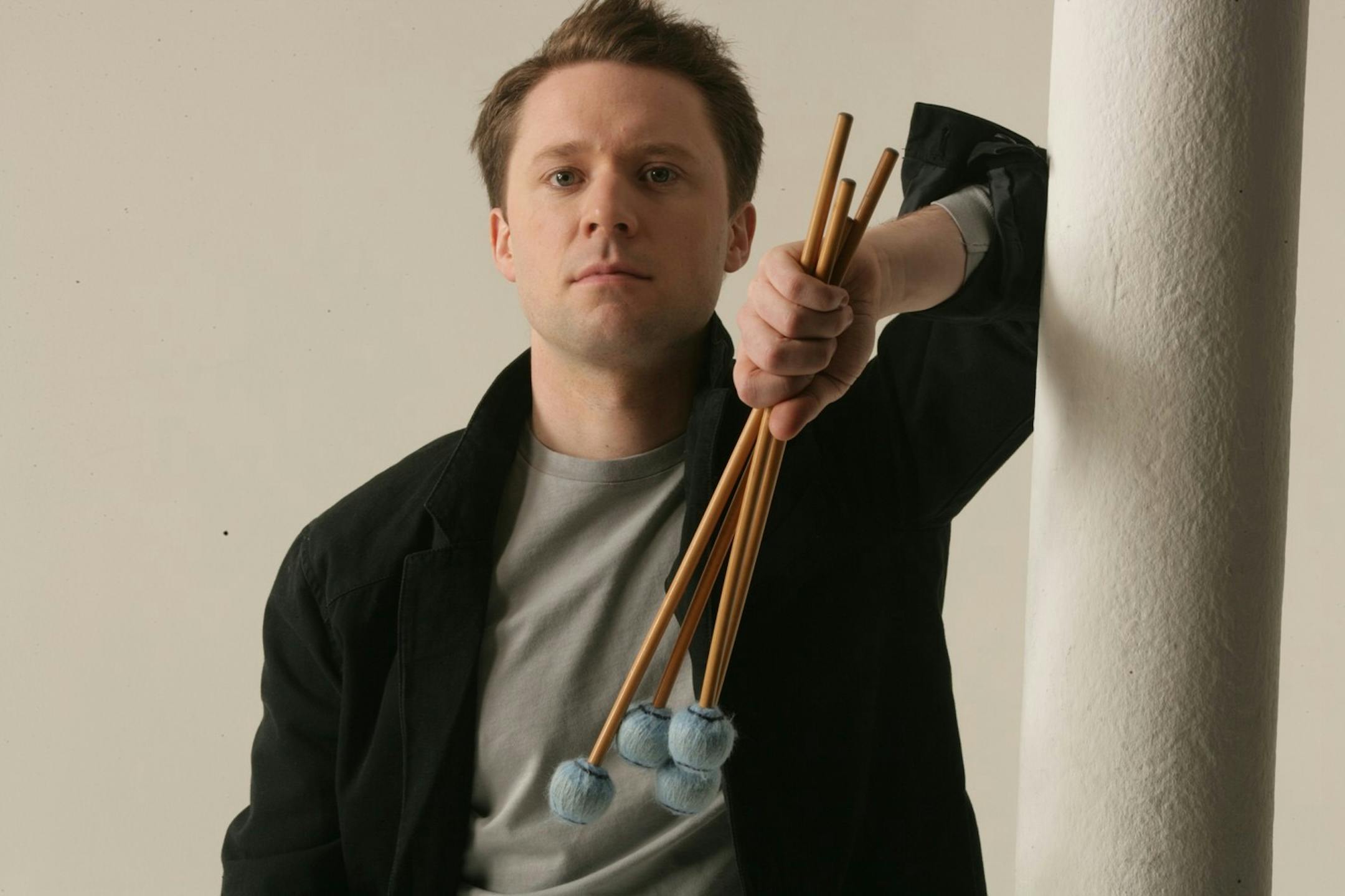
Back for a second week, soloist Colin Currie puts his stamp on this score no less decisively than Evelyn Glennie, its dedicatee. (The Scots, it would seem, enjoy hitting things.) His performance encompasses the extremes of energy and delicacy.
After intermission, a tone poem ("The Bard") and a symphony (No. 6) by Sibelius, a composer close to Vänskä's heart and central to his career. Both works feel autobiographical. The Sixth is an especially slippery creature. It lacks, for the most part, the sweep, the high drama, the craggy austerity that have won the composer a devoted following despite critical and academic sniffing. Yet it has an extraordinary presence -- one the unmuted coughers and unrepentant cellophane-crinklers at Thursday's concert could not subdue.
Vänskä's account, though often fast-sounding, is utterly persuasive. Performances of this symphony are rare -- I've heard two in 50 years of concert-going -- and great ones rarer. Don't let this one get away.
Larry Fuchsberg rwrites frequently about music.


