
VA plans to abruptly eliminate tens of thousands of health care jobs

Agency leaders have instructed managers across the Veterans Health Administration, the agency’s health care arm, to identify thousands of openings that can be canceled.

The Washington Post
December 13, 2025 at 7:07PM
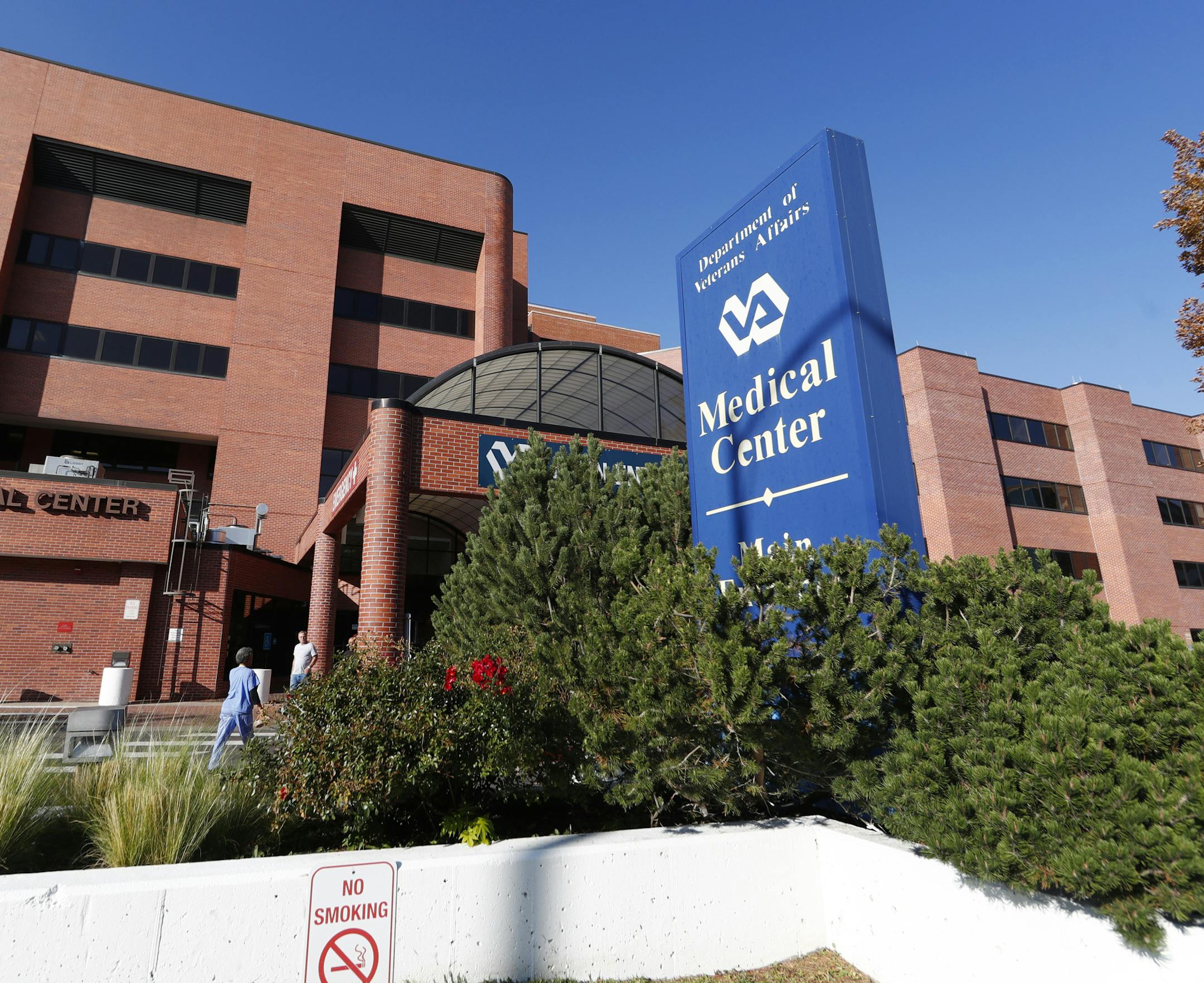
Blue sign says "Department of Veterans Affairs Medical Center" in front of brick building.
The Veterans Affairs Department hospital is shown in east Denver. (David Zalubowski/The Associated Press)

The Department of Veterans Affairs plans to abruptly eliminate as many as 35,000 health care positions this month, mostly unfilled jobs including doctors, nurses and support staff, according to an internal memo, VA staffers and congressional aides.

The cuts come after a massive reorganization effort already resulted in the loss of almost 30,000 employees this year.

Agency leaders have instructed managers across the Veterans Health Administration, the agency’s health care arm, to identify thousands of openings that can be canceled. Employees warn that the contraction will add pressure to an already stretched system, contributing to longer wait times for care.

The decision comes after Veterans Affairs Secretary Douglas A. Collins, under political pressure from Congress, backed away from a plan to slash 15 percent of the agency’s workforce through mass firings. Instead, VA lost almost 30,000 employees this year from buyout offers and attrition.

The agency hopes that the cuts will reduce the health care workforce to as little as 372,000 employees, a 10 percent reduction from last year, according to a memo shared with regional leaders last month and obtained by The Washington Post. Details of the cuts came into focus in recent days, according to 17 staffers at VA and congressional aides who spoke on the condition of anonymity because they didn’t have permission to share plans.

VA spokesman Pete Kasperowicz confirmed the planned cuts for unfilled positions. He said the health care system is eliminating about 26,400 of its open jobs, which he described as “mostly covid-era roles that are no longer necessary.”

“The vast majority of these positions have not been filled for more than a year, underscoring how they are no longer needed,” he wrote in response to questions. “This move will have no effect on VA operations or the way the department delivers care to Veterans, as we are simply eliminating open and unfilled positions that are no longer needed.”

The nation’s largest government-run health care system has struggled to fill vacancies amid a broader national shortage of health care workers and a strained federal workforce. Job applications to the agency have also fallen 57 percent from last year, according to the agency’s workforce report last month.

This reorganization comes in advance of an expected announcement next week that Collins plans to also shrink the network of 18 regional offices that administer the nation’s VA hospitals and medical centers, according to four people familiar with the plan. Staff at those regional offices help determine policies and manage staffing. Collins and others have been critical of the agency’s top-heavy administrative offices, arguing that staffing cuts there will free up more resources for health care.

The health system grew by tens of thousands of employees under the Biden administration as more veterans enrolled in VA health care after passage of the PACT Act, which expanded benefits for veterans exposed to toxic burn pits. Then-secretary Denis McDonough urged veterans to be seen by VA doctors rather than request referrals to private practitioners outside the system.

But the Trump administration has said it wants more veterans to seek treatment outside the government system. Political appointees at VA and their allies have also said they favor a leaner health care workforce because they think physicians and other health care providers could be more productive, said one former appointee who is close to the Trump team.

Collins stood down from planned mass firings this year after a bipartisan mix of lawmakers expressed concerns about cuts affecting patient care. The agency said mission-critical positions were exempted from the buyouts and retirement offers.

Since then, lawmakers have sought greater oversight of the agency’s staffing plans. In the agreement to reopen the government last month, lawmakers allocated $133 billion in discretionary funding for the VA with conditions, including that the agency could not reduce staffing for suicide prevention programs, would provide updates on staffing counts and would maintain the staff necessary to meet certain thresholds for processing benefits and providing healthcare.

The House also approved a measure Thursday overturning President Donald Trump’s executive order eliminating union rights at federal agencies, including VA, where the union had said it was harder to protect jobs without collective bargaining.

Thomas Dargon Jr., deputy general counsel of the American Federation of Government Employees, which represents more than 320,000 VA employees, said the union has not been consulted by the agency about the cuts but has heard about concerns from its members.

“The VA has been chronically understaffed for years, and employees are obviously going to be facing the brunt of any further job cuts or reorganization that results in employees having to do more work with less,” Dargon said.

Sharda Fornnarino, a VA nurse in Colorado and local head of her nurses’ union, said her facility continues to lack the necessary staff to keep up with demand, and she urged lawmakers to restore collective bargaining so nurses could advocate for safer working conditions. The measure is unlikely to pass the Republican-held Senate.

“We’re going to continue to do more with less,” Fornnarino said. “We’re going to continue to be overworked.”

Meanwhile, at the VA’s regional offices, leadership is determining which roles they would need to cancel, and several health care workers said they had been warned their hospitals would be affected. Regional leaders were told to ensure their organizational charts are updated by next week, according to the memo reviewed by The Post.

In Phoenix, 358 openings will be eliminated, including nurses and doctors, according to a nurse who said the losses will hit as they are already behind in scheduling doctors appointments.

“They specifically said no department would be spared,” she said.

In another Mountain West hospital, health care workers were told at a town hall last week that no current employees would lose their jobs, though if anyone leaves, they would need to determine whether they could keep those jobs, according to a recording of the meeting.

The bad news arrived last Friday for employees of the VA San Diego health care system, in an exclamation mark-filled email from director Frank Pearson.

He wrote that he’d been expecting this year to fill 734 job vacancies with new nurses, doctors and other staff, to help care for the almost 90,000 veterans that the San Diego system regularly serves. But sometime this fall, he wrote, higher-ups decided to “do some housekeeping and cleanup of the books” - informing the San Diego system that it only had the budget to retain 4,429 employees going into fiscal year 2026.

That meant, Pearson wrote in bold, all-caps, underlined letters, that “322 VACANT POSITIONS need to be eliminated.”

One of the VA employees who received the email said that, in the mental health section alone, there were 78 open positions as of this month - about half of which will now go away. Currently, the employee noted, veterans in the San Diego area are waiting between 60 and 90 days to access VA mental health services.

Staff are already strained and exhausted after a difficult year, the employee said, and were counting on reinforcements.

“We are all doing the work of others to compensate,” she said. “The idea that relief isn’t coming is really, really disappointing.”

Government reporters Meryl Kornfield, Hannah Natanson and Lisa Rein can be reached securely on Signal at (301) 821-2013, (202) 580-5477 and (202) 821-3120, respectively.

about the writer

about the writer

Meryl Kornfield, Hannah Natanson, Lisa Rein

The Washington Post

More from Nation

See More

A blast of arctic air is sweeping south from Canada and spreading into parts of the northern U.S., while residents of the Pacific Northwest brace for possible mudslides and levee failures from floodwaters that are expected to be slow to recede.