

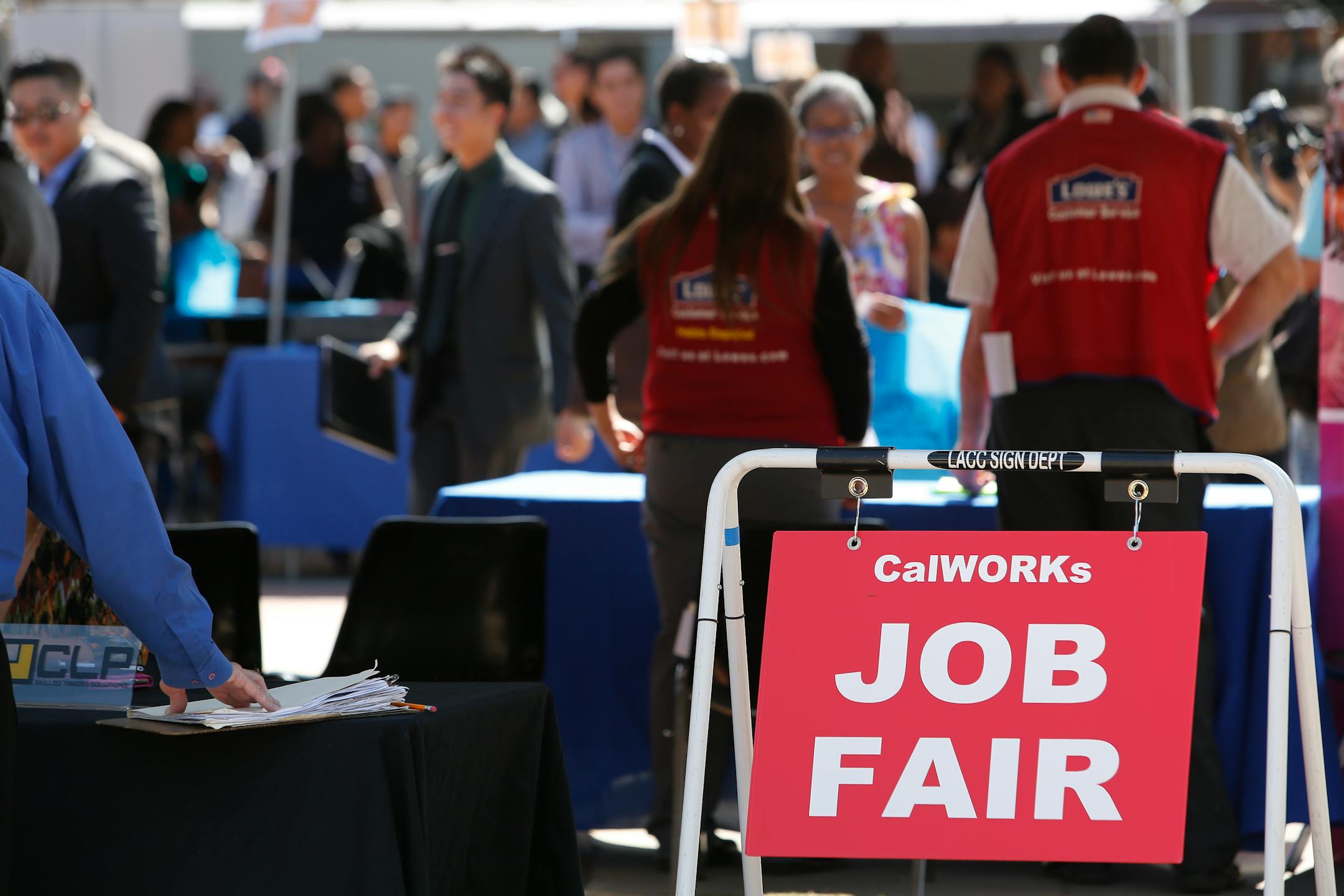
WASHINGTON — Unemployment in the U.S. has dropped to a seven-year low of 5.5 percent — a level normally considered the mark of a healthy job market. Yet that number isn't as encouraging as it might sound.
While U.S. employers added a solid 295,000 jobs in February, and the jobless rate fell from 5.7 percent, it went down mostly because many people gave up looking for work and were no longer officially counted as unemployed, the government reported Friday. What's more, wage gains remained sluggish.
Those trends suggest that the job market, while improving rapidly, isn't quite as healthy as it looks.
That complicates the Federal Reserve's task of figuring out when the economy has strengthened enough to withstand higher interest rates. The Fed is considering a rate increase as early as June.
With Friday's report, employers have now produced 12 straight monthly job gains above 200,000. It's the longest such stretch since 1994-95.
The U.S. is easily outshining most other major economies. For example, the unemployment rate in the 19 countries that share the euro is 11.2 percent, or twice the U.S. rate.
The robust U.S. job gains appear to have convinced many investors that the Fed will soon raise the short-term interest rate it controls. Investors on Friday sold ultra-safe U.S. Treasurys, a sign that many anticipate a rate increase. The yield on the 10-year Treasury note rose to 2.24 percent from 2.11 percent.
And they dumped stocks. The Dow Jones industrial average plummeted 276 points in afternoon trading.


