

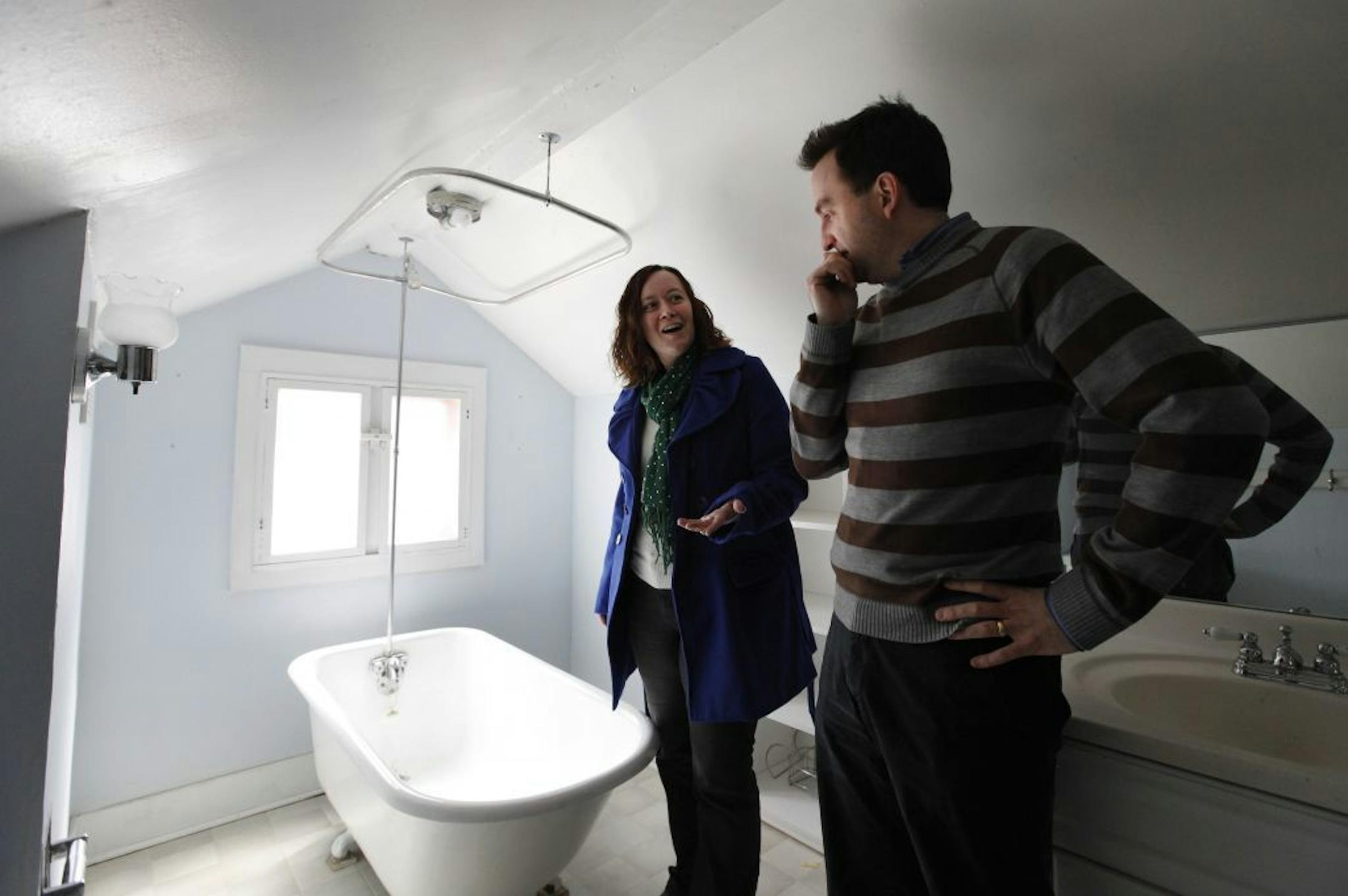
GRAND RAPIDS, Mich. - Beth Heinen Bell and her husband, Christian, are sick of renting.
They want more space. They'd like to host friends for dinner. And now, having seen the real estate market start to rebound, they want to turn housing payments into long-term equity.
So after a decade as someone else's tenant, the Bells, like a rising number of Americans, are finally ready to buy a home. Yet they're running into an obstacle that's keeping the national housing recovery in check: There aren't enough homes for sale.
The housing shortage around Grand Rapids, Mich., a city known for its furniture industry and sleek downtown hospital complex, is fairly typical of what the country as a whole is facing this spring.
Some markets along the East and West coasts have grown red-hot. A handful of other cities remain depressed nearly four years after the Great Recession ended. But many more places are like Grand Rapids — a metro area of roughly 1 million that is strengthening slowly but steadily.
Like so many others, this Midwestern city 150 miles west of Detroit never experienced either the buyer frenzy or the price collapse that marked the boom and bust. Yet it, too, was affected. Prices fell. Homeowners lost equity. And now, many remain unable or unwilling to sell.
The shortage of homes is occurring just as ordinary Americans want to buy again. More of them feel confident about their job and retirement account. Mortgage rates are near historic lows. And prices are rising again, easing fears that new buyers might lose their investment in a home.
"The last four years have been rough," says Christian Bell, a 31-year-old Presbyterian minister. "But housing prices are starting to come back up."


