

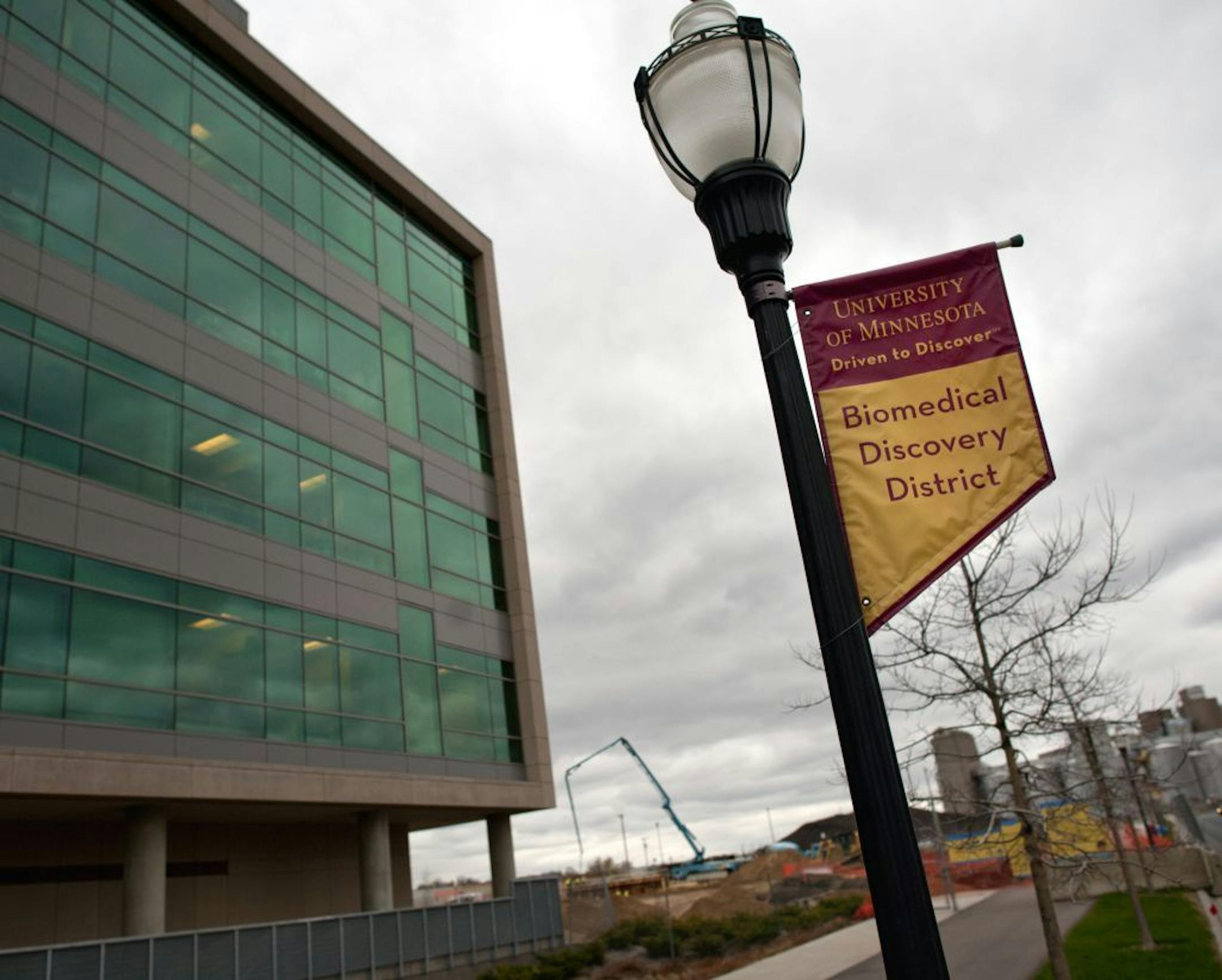
The University of Minnesota will help anchor an unprecedented federal effort to diversify the field of biomedical research, part of a broader effort to narrow the nation's health "disparities" and improve care for underserved and minority Americans.
The National Institutes of Health said last week it will award $31 million this year to more than 50 institutions — and $240 million over the next five years — to recruit a more diverse bench of researchers to medical and biomedical professions. The U will receive a proposed $20 million of funding over five years through the program.
The nation's wide and stubborn health disparities might improve if researchers were to ask new questions about different health threats, said Dr. Kolawole S. Okuyemi, a U professor who will serve as one of several principal investigators on the grants.
"People tend to do research in what they've been exposed to," said Okuyemi, who heads the U's Program in Health Disparities Research. "Part of why we have health disparities is because we don't have enough people to ask relevant questions."
The U will serve as the Midwest hub of a nationwide consortium creating mentorship and training opportunities for the targeted groups.
Nationally, the initiative could benefit several hundred potential research candidates in the first year alone, Okuyemi said.
Minnesota is known for its high-quality health care, but a report to the Legislature this year found the state has some of the widest ethnic health disparities in the nation. Black infants in Minnesota are more than twice as likely as white infants to die before their first birthday. American Indian high school students are twice as likely to consider suicide as their white classmates. Hispanics are three times as likely to be uninsured as whites.
Reviewing the report's findings, Health Commissioner Dr. Edward Ehlinger described the gaps as "structural racism."


