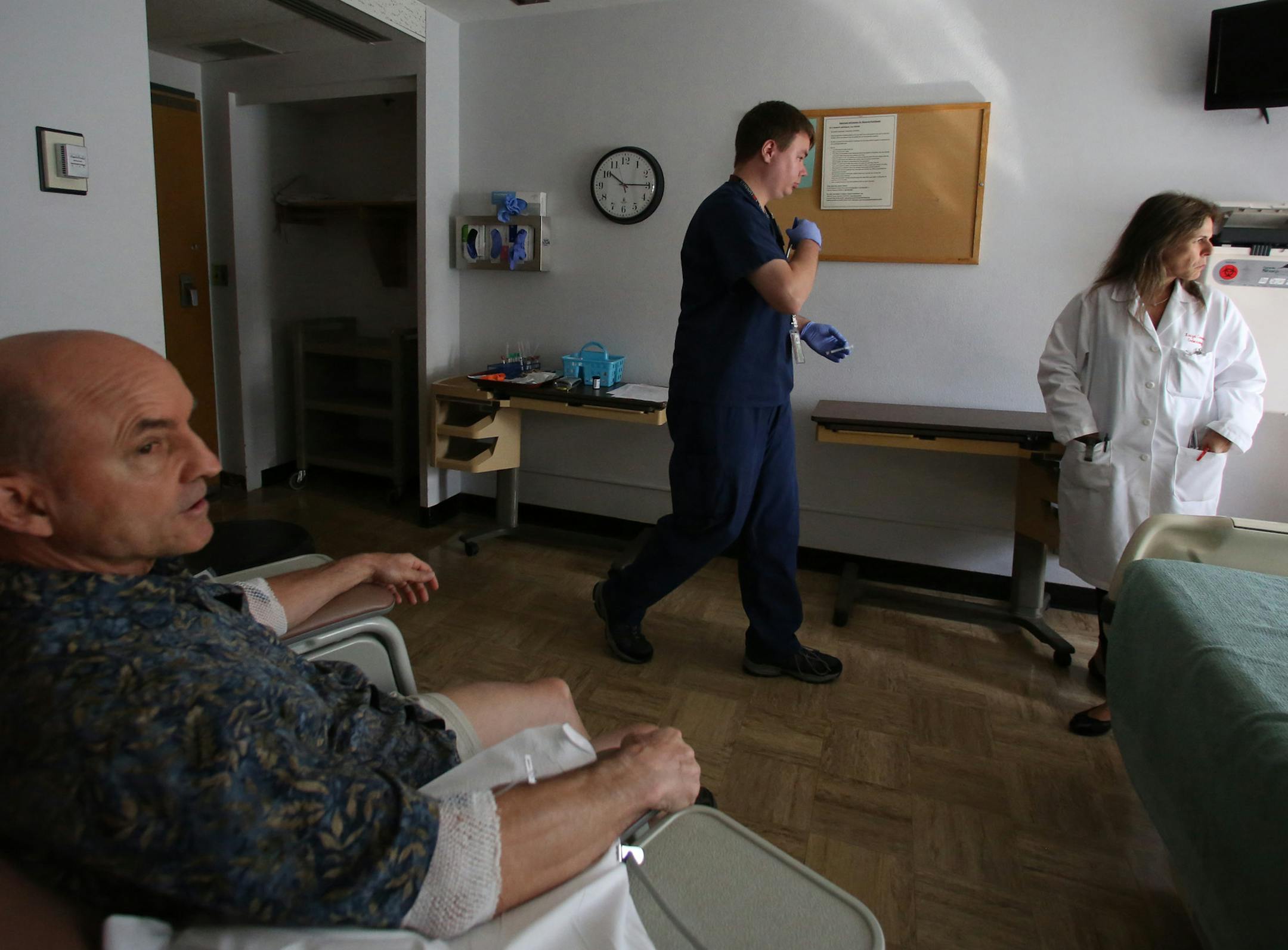
Paul Wild has been a reliable research volunteer at the University of Minnesota for 20 years, participating in two landmark studies that changed the standard of care for diabetes, a disease that afflicts more than 24 million Americans.
"Looking back, it was probably the best thing I ever did," said the 61-year-old Mendota Heights dentist.
Now, Wild is among 480 patients being recruited for a $24 million, 3½-year test to see whether a medication that has been used routinely to prevent gout can delay the onset of potentially fatal kidney disease in patients with Type 1 diabetes.
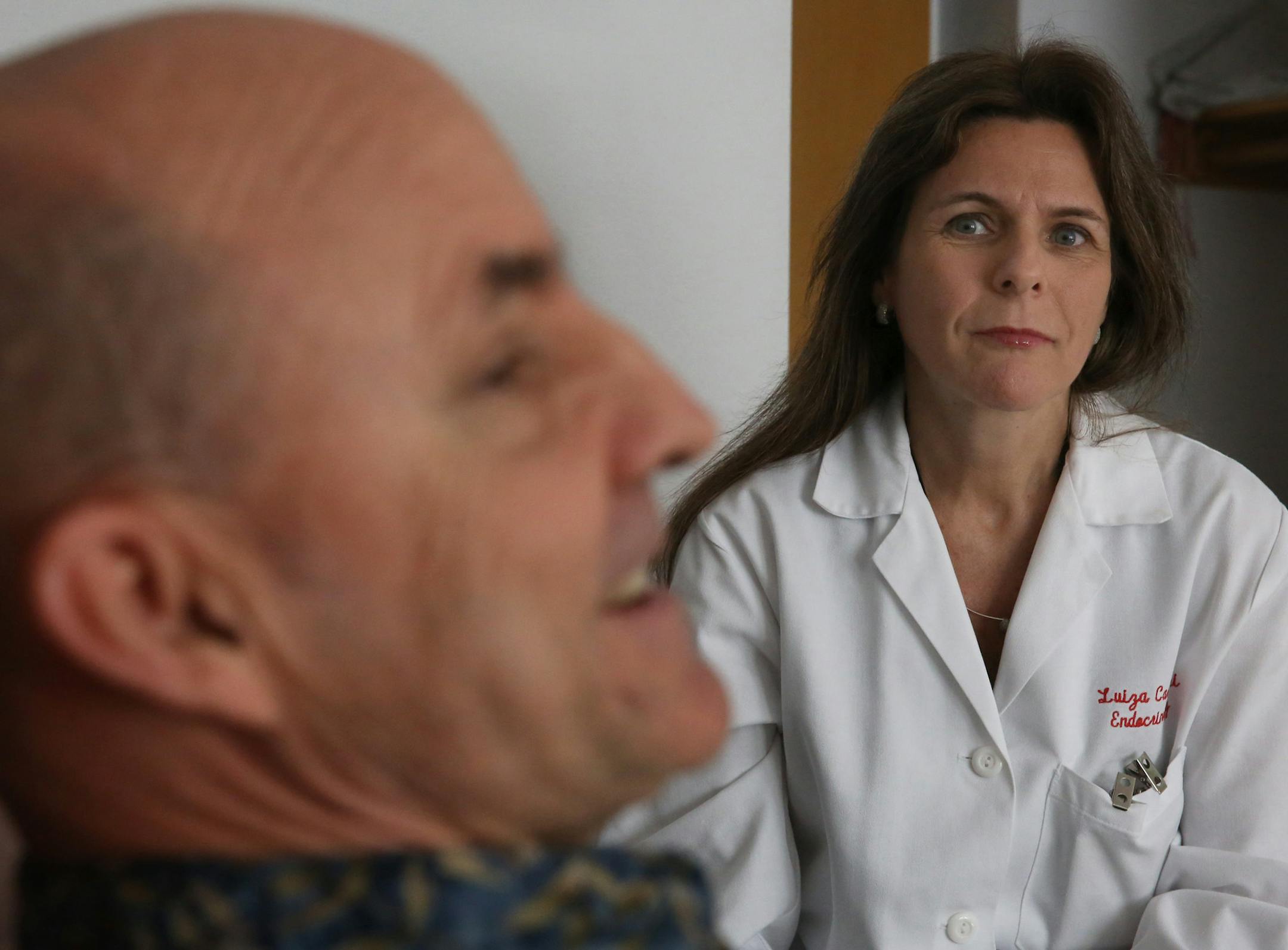
If the study succeeds, the medication, called allopurinol, could be to diabetic kidney disease what baby aspirin is to heart attacks, said Dr. Luiza Caramori, an endocrinologist helping to oversee the study at the U. The drug could delay the need for dialysis and kidney transplants by eight to 10 years, she said, saving thousands of lives and tens of millions of dollars in medical spending.
Diabetes has reached epidemic proportions in the United States, with rates increasing so fast that researchers predict 1 in 3 Americans born after 2000 could develop either Type 1 or Type 2. As many as 30 percent of diabetics will develop serious kidney disease within 10 to 20 years of their diagnosis, making it the leading cause of kidney failure in the United States. And because the waiting list for a kidney is so long, hundreds of patients die each year waiting for a transplant.
While the U study is limited to subjects with Type 1 diabetes, Caramori said positive findings will likely benefit the far more common Type 2 diabetics, as well.
"It's amazing that in the past 20 years we've basically made no progress in delaying kidney disease in patients with diabetes," she said. "It's also disappointing and scary, because the rates of complications are quite high in these patients."
Type 1 diabetes occurs when the immune system destroys the body's ability to produce insulin. It affects fewer than 1 in 10 diabetics. The much more common Type 2 often results from genetic predisposition, coupled with obesity and lifestyle factors, leading initially to resistance to the body's own insulin.