

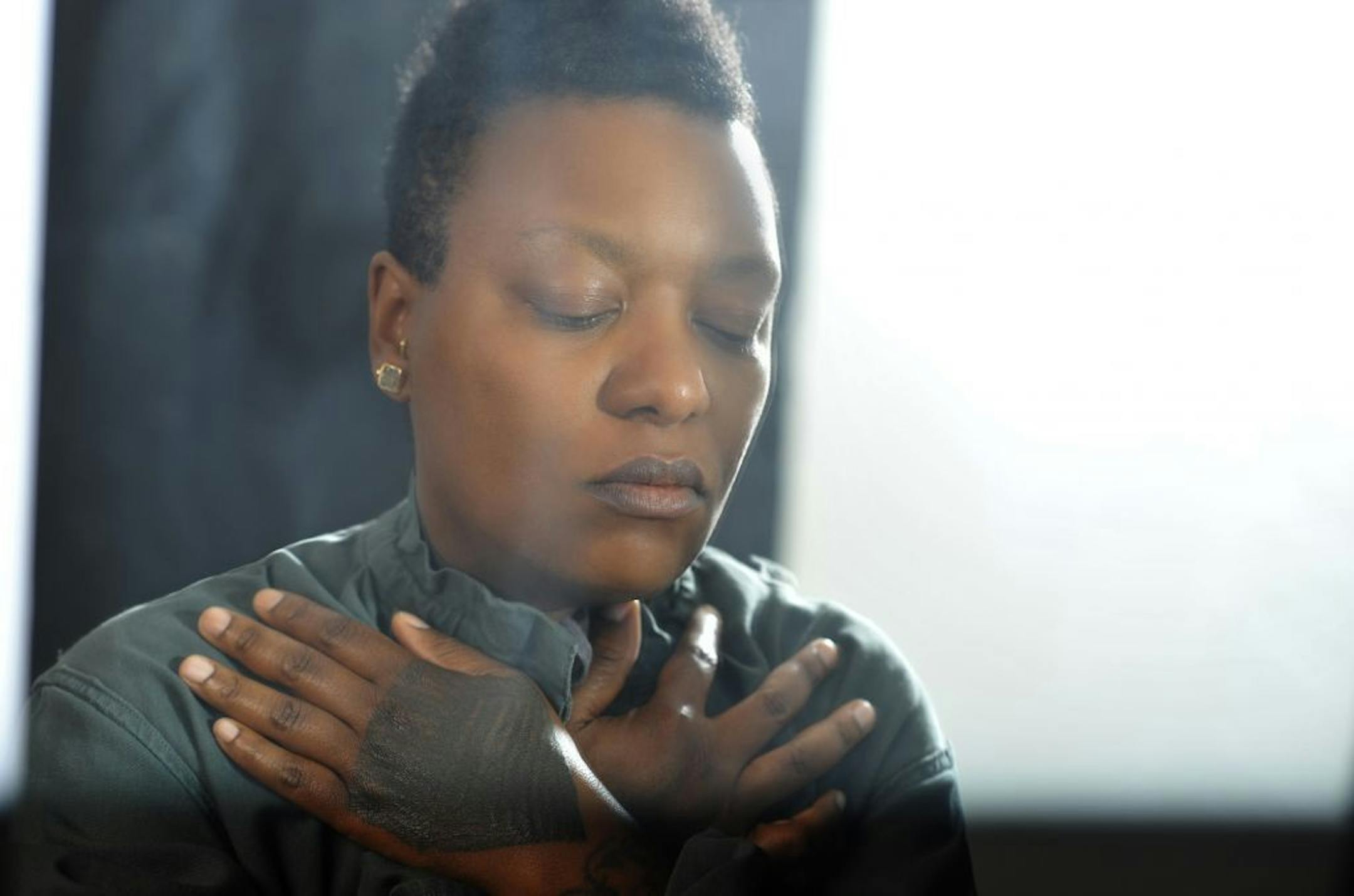
It seems inevitable that bassist and singer/songwriter Meshell Ndegeocello would pay tribute to the life and music of the late Nina Simone.
Although born 35 years apart -- Simone in 1933, Ndegeocello in 1968 -- they are profoundly kindred spirits, strong-willed but sensitive in their battles to be accepted on their own inconvenient terms. Both are iconoclastic black females who refused to be constrained by the conventions of race, gender and sexual identity, let alone the pigeonholing of musical genres. But, abetted by penetrating honesty and voices as dark and lustrous as mahogany, both have delivered artistry that is soulful to the core.
Ndegeocello is humbled by the comparison -- and, naturally, isn't content to let it go unchallenged.
"I must admit, my mind doesn't work like that," she says by phone from her New York home, thankful that it was mostly spared from the ravages of superstorm Sandy. "I need to admire Nina Simone on her own, as one of the most incredible musicians I have ever heard. I can't compare myself to that."
Indeed, the title of her Simone tribute, released last month, is "Pour Une Âme Souveraine," which translates to "A Sovereign Soul." A tour with her quartet to support the album will stop at the Dakota on Sunday.
Ndegeocello exercised her own sovereign muse in her choice of songs and arrangements. "House of the Rising Sun," long a reliably somber lament, is jolted into a scathing rock rave-up. The hypnotic sway of "See Line Woman" is exploded into a psychedelic swirl. And while Simone had already bumped Leonard Cohen's "Suzanne" out of its doleful folk balladry, Ndegeocello gooses it again into a nimble shuffle.
Simone, who was known to offer different treatments of the same song, likely would approve.
Winnowing the material was a tougher chore. Ndegeocello says she wanted to include "some no-brainers that would give the project clarity," but also emphasize songs Simone wrote, and songs where she produced the definitive version.


