

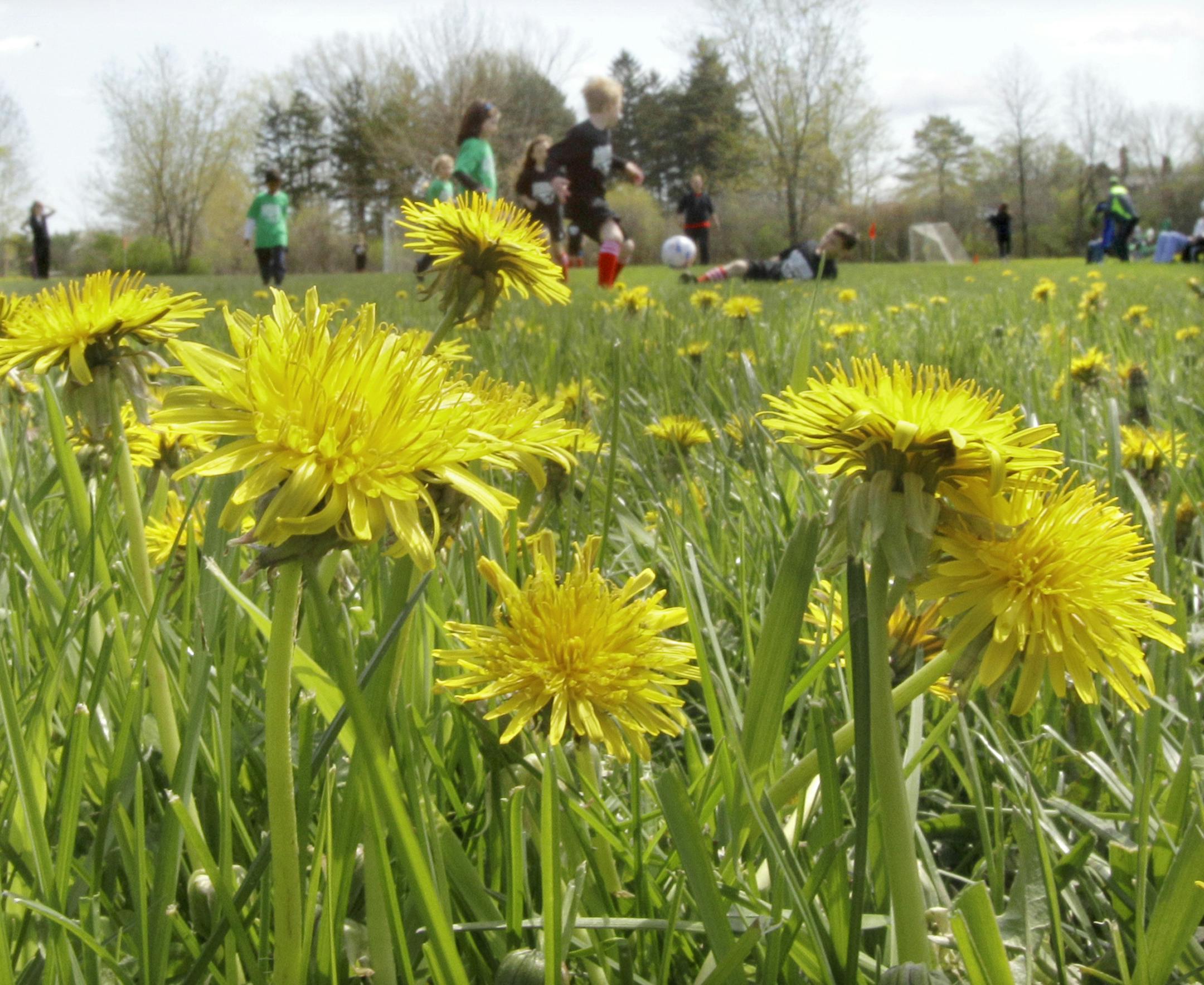
In springtime, flowers, vegetables, grass and trees develop and flourish. Unfortunately, so do weeds, which compete with our plants for light, water and nutrients.
Without a doubt, the best way to get rid of weeds is to pull them by hand. After all, weeding gives you an opportunity to spend time in your garden, provides a form of exercise and an unrivaled sense of satisfaction. (Is there anything more gratifying for a gardener than pulling out a weed and getting the whole root?)
Sometimes, though, it just isn't possible to hand-weed, so we end up using herbicides to do the work for us. While herbicides can be effective, they also can harm other plants, insects and animals in your yard.
If you're looking for safer ways to control weeds, here are some options:
Mulch
The king of weed control in the garden is mulch. A 2- to 4-inch layer of organic mulch — such as straw, dried leaves, completed compost or wood chips — can protect against weeds and help preserve moisture. As the mulch breaks down over time, it also releases nutrients, which enrich the soil. If you regularly use an organic mulch in your garden, you'll need to fertilize less, perhaps not at all.
Corn gluten meal
A natural byproduct of corn processing, corn gluten meal can be found in many garden centers. It's been used to successfully control weed seeds in lawns and gardens for more than a decade. It does have one drawback: It tends to produce best results after it's been applied for a couple of years.
In addition to being a natural herbicide, corn gluten meal contains about 10 percent nitrogen, which makes it a useful fertilizer. In fact, if you use corn gluten meal to control weeds, you may not need to apply any other fertilizer.
Corn gluten meal doesn't affect perennial plants, only seeds, so if you use it in your garden, you'll need to plant plugs instead of seeds.


