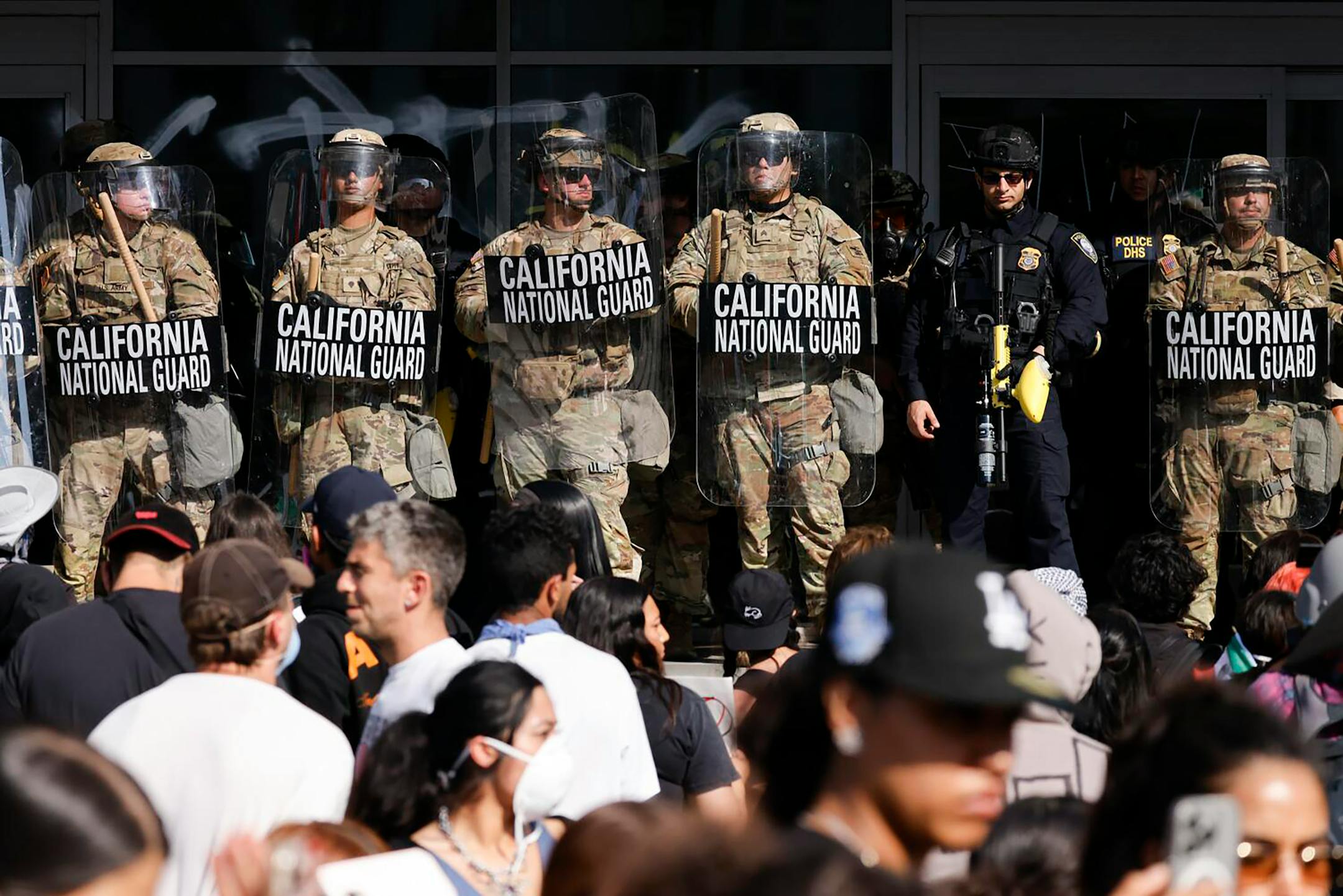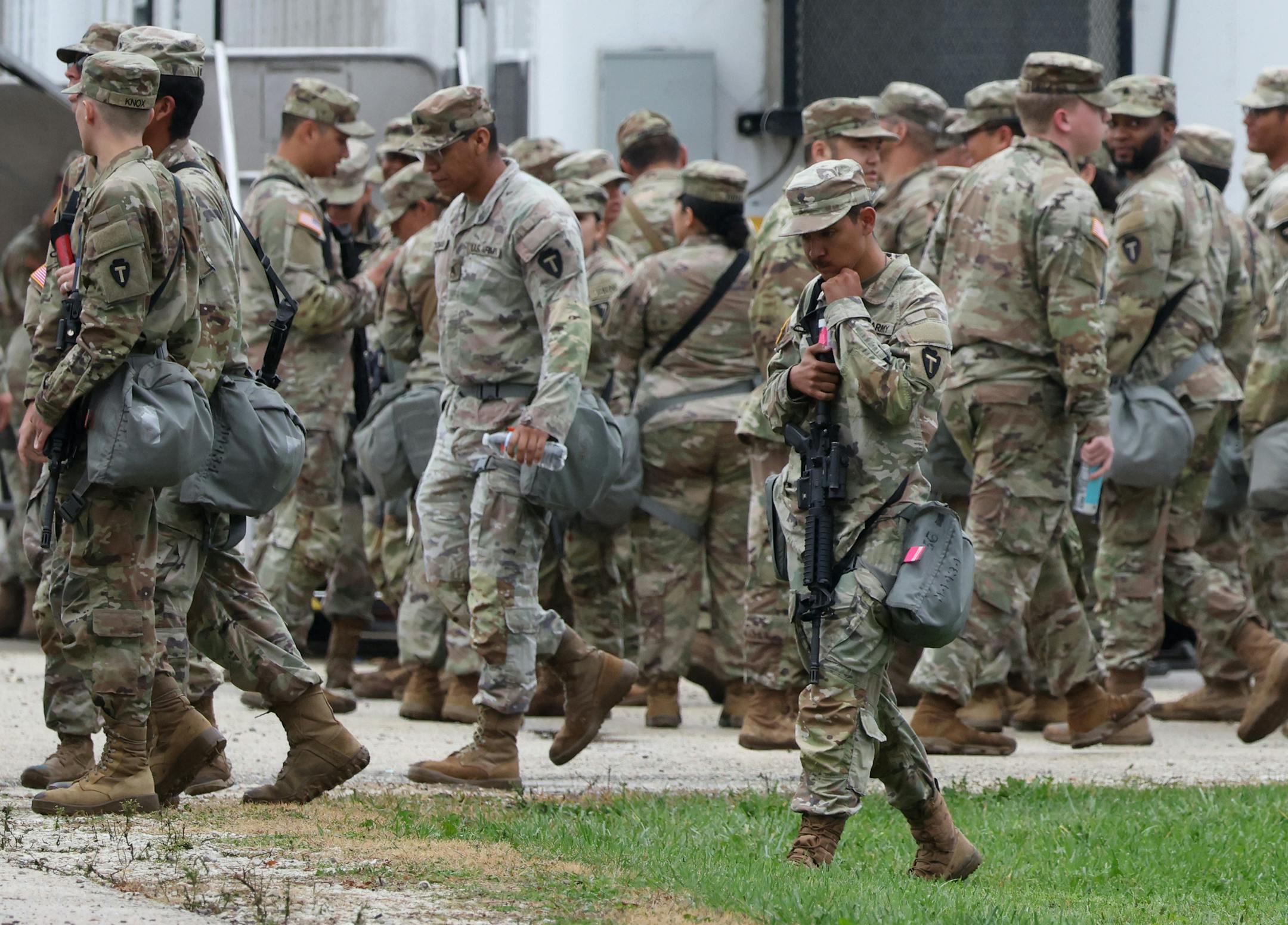
WASHINGTON — President Donald Trump said he's dropping — for now — his push to deploy National Guard troops in Chicago, Los Angeles and Portland, Oregon, a move that comes after legal roadblocks held up the effort.
''We will come back, perhaps in a much different and stronger form, when crime begins to soar again - Only a question of time!" he said in a social media post Wednesday.
Governors typically control states' National Guardsmen, and Trump had deployed troops to all three cities against the wishes of state and local Democratic leaders. He said it was necessary as part of a broader crackdown on immigration, crime and protests.
The president has made a crackdown on crime in cities a centerpiece of his second term — and has toyed with the idea of invoking the Insurrection Act to stop his opponents from using the courts to block his plans. He has said he sees his tough-on-crime approach as a winning political issue ahead of next year's midterm elections.
Troops had already left Los Angeles after the president deployed them earlier this year as part of a broader crackdown on crime and immigration.
In his post, Trump said the troops' presence was responsible for a drop in crime in the three cities, though they were never on the streets in Chicago and Portland as legal challenges played out. When the Chicago deployment was challenged in court, a Justice Department lawyer said the Guard's mission would be to protect federal properties and government agents in the field, not ''solving all of crime in Chicago.''
Portland Mayor Keith Wilson's office in a statement said the city's reduction in crime was due to the efforts of local police and public safety programs. Chicago officials echoed the sentiment, saying in a release Tuesday that the city had 416 homicides in 2025 — the fewest since 2014.
Trump's push to deploy the troops in Democrat-led cities has been met with legal challenges at nearly every turn.