

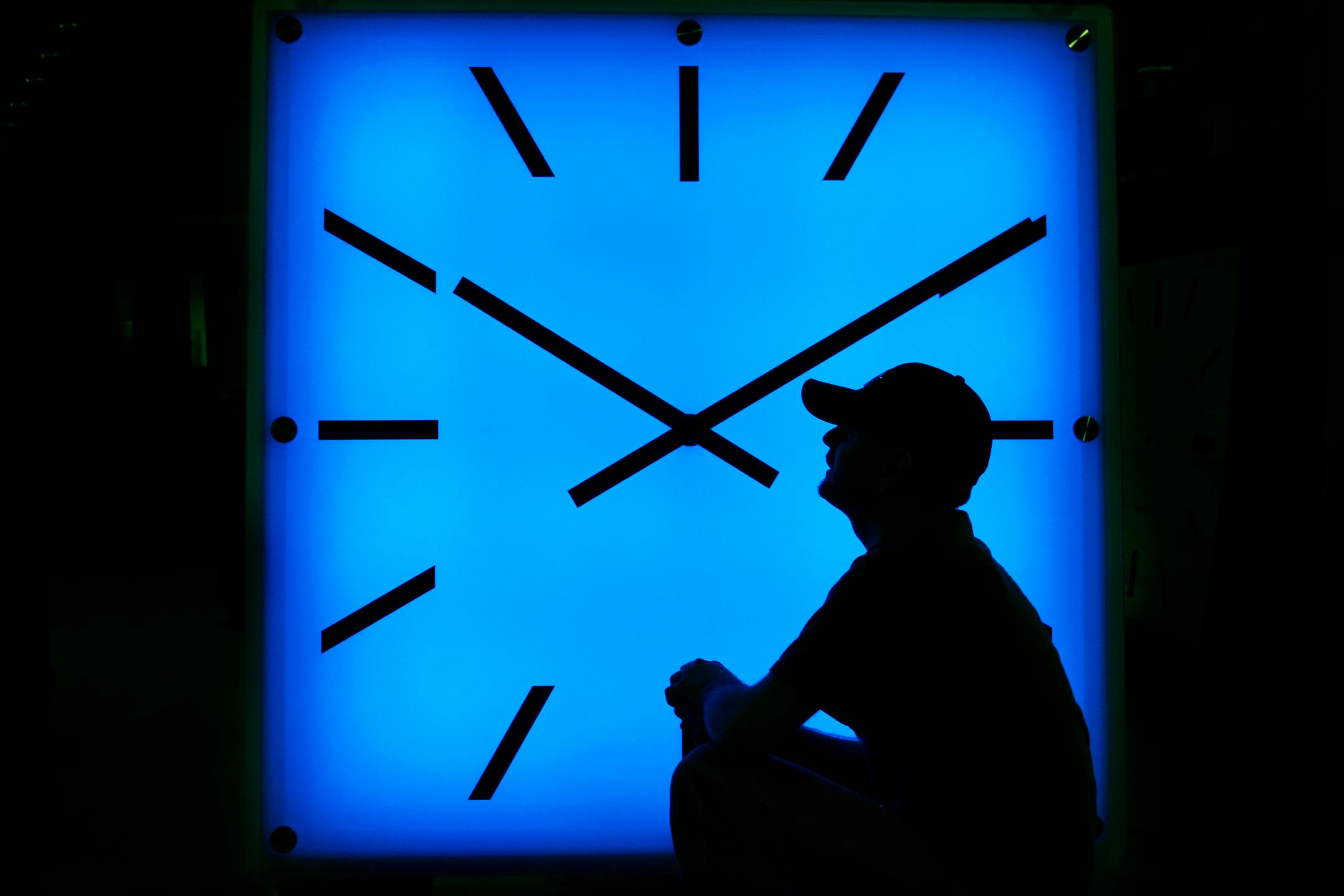
When Donald Trump vowed last year to end America’s semiannual clock changes, pledging the Republican Party would finally resolve the issue, combatants in the years-long fight over daylight saving time thought their future was bright.
But the difficult politics of the matter have proved too much for Trump and his allies to overcome, culminating in a showdown on the Senate floor Tuesday that pitted Republican against Republican and left the movement’s future prospects cloudy.
“The American people are sick and tired of changing their clocks twice a year,” said Sen. Rick Scott (R-Florida), the lead sponsor of the bipartisan Sunshine Protection Act, which would end the clock-changes by allowing states to adopt year-round daylight saving time. “With President Trump committed to finally lock the clock, we can finally get this done.”
“Not every human problem has a legislative solution,” countered Sen. Tom Cotton (R-Arkansas), blocking Scott’s effort and arguing that Americans would need to live “with an uneasy compromise” and accept the regular clock changes.
Lawmakers have spent decades arguing over daylight saving time — whether it’s helpful or harmful, how long it should last and whether the nation should be changing its clocks at all. An earlier version of the Sunshine Protection Act surprisingly passed the Senate in 2022 before stalling in the House, where representatives said they were overwhelmed by the intense, dueling arguments over what to do next. Cotton took credit this week for helping stymie that bill, too.
The responsibility of changing the nation’s time code rests with Congress, meaning that Trump cannot simply issue an executive order. Nineteen states have also approved measures that would allow them to adopt year-round daylight saving time if Congress passed a bill making it permanent nationwide, according to the National Conference of State Legislatures.
Proponents of daylight saving time argue that the century-old system remains the best way to maximize Americans’ sunshine during the workday, by shifting clocks as the seasons change. They also point to lawmakers’ failed effort to end the clock changes in the 1970s by adopting permanent daylight saving time. The move almost immediately backfired amid widespread reports of children waiting in the dark for school buses to arrive, anecdotes about car accidents and other frustrations. Congress rolled back the change after 10 months.
Health experts have countered that the time changes are linked with drowsy behavior linked to motor-vehicle accidents and workplace injuries, elevated risk of heart attack and other potential hazards.


