WASHINGTON – The Trump administration has called for oil and gas firms to pick spots where they want to drill in Alaska's Arctic National Wildlife Refuge as it races to open the pristine wilderness to development and lock in drilling rights before President-elect Joe Biden takes office.
The "call for nominations" to be published Tuesday allows companies to identify tracts to bid on during an upcoming lease sale on the refuge's nearly 1.6-million-acre coastal plain, a sale that the Interior Department aims to hold before Biden takes the oath of office in January. The move would be a capstone of President Donald Trump's efforts to open up public lands to logging, mining and grazing — something Biden strongly opposes.
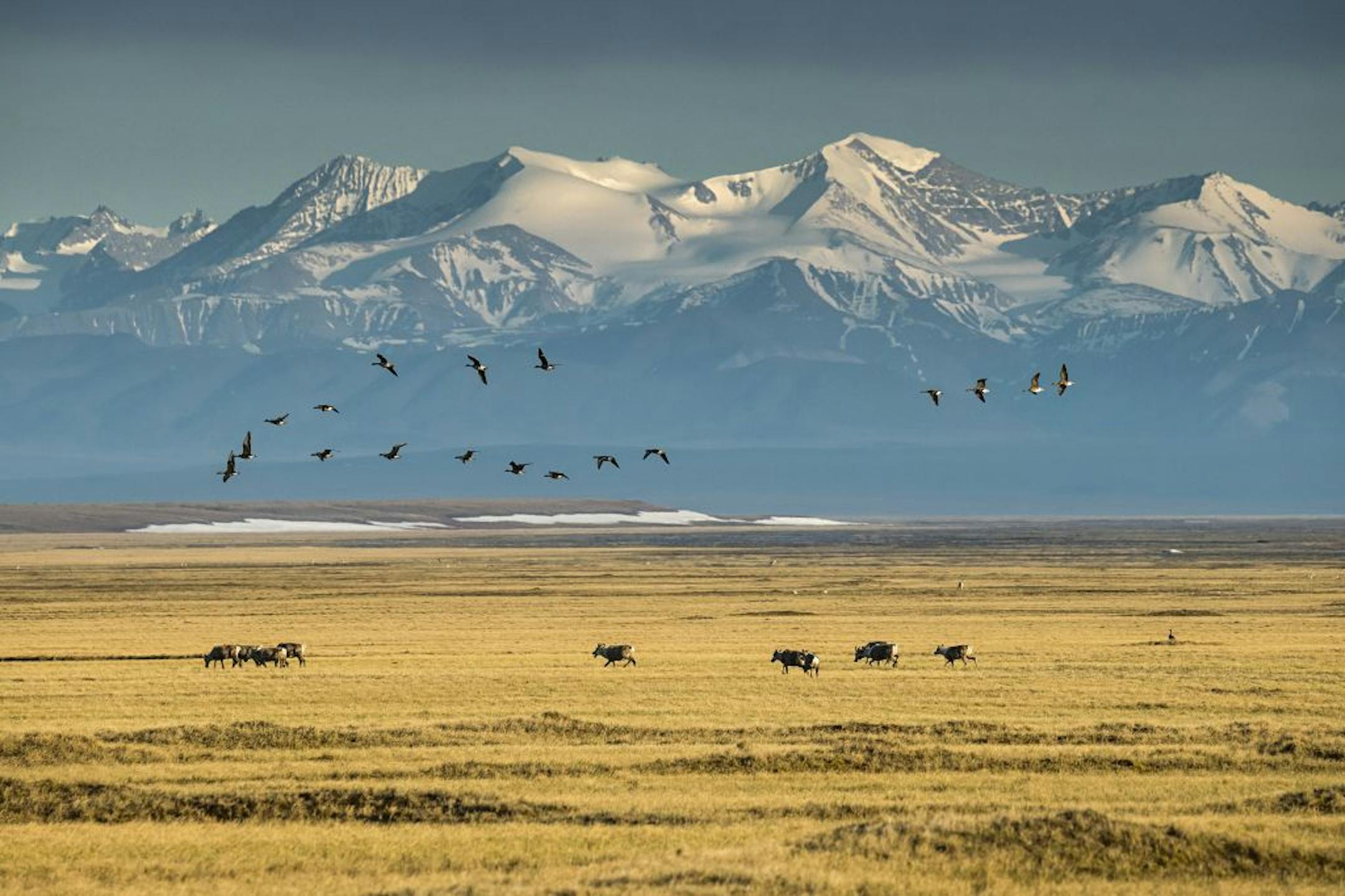
A GOP-controlled Congress in 2017 authorized drilling in the refuge, a vast wilderness that is home to tens of thousands of migrating caribou and waterfowl, along with polar bears and Arctic foxes.
"Receiving input from industry on which tracts to make available for leasing is vital in conducting a successful lease sale," Chad Badgett, the Bureau of Land Management's Alaska state director, said in a statement. "This call for nominations brings us one step closer to holding a historic first Coastal Plain lease sale, satisfying the directive of Congress in the 2017 Tax Cuts and Jobs Act and advancing this administration's policy of energy independence."
The administration is pressing ahead with other moves to expand energy development and scale back federal environmental rules over the next few weeks. It aims to finalize a plan to open up the vast majority of the National Petroleum Reserve-Alaska to drilling, as well as adopt a narrower definition of what constitutes critical habitat for endangered species and when companies are liable for killing migratory birds.
It is unclear how much appetite there is in the oil and gas industry for drilling in the refuge, given the lack of infrastructure there and the public backlash that could accompany such a move. The area provides habitat for more than 270 species, including the world's remaining Southern Beaufort Sea polar bears, 250 musk oxen and 300,000 snow geese.
Gwich'in Steering Committee executive director Bernadette Demientieff, whose people have traveled with the caribou on the refuge for thousands of years, said in a statement: "Any company thinking about participating in this corrupt process should know that they will have to answer to the Gwich'in people and the millions of Americans who stand with us. We have been protecting this place forever."
But smaller players might be willing to bid on leases, which would be difficult to claw back once they are finalized. Some Alaska Native tribal corporations have already expressed an interest in conducting seismic tests to identify oil reserves on the coastal plain, and they aim to complete that work this winter.